support@yorubalibrary.com
+2348073529208, 07038599574
The Awori are one of the oldest Yoruba subgroups, with a history deeply tied to the waterways, lagoons, and fertile coastal plains of South-West Nigeria. Unlike many Yoruba towns that are centered on a single settlement, the Awori people are spread across several communities in present-day Lagos State and parts of Ogun State, including towns such as Ota, Isheri, Ilogbo, and Badagry. Their identity is in a heritage of fishing, farming, and trade — a way of life shaped by their environment and their strategic location along coastal routes.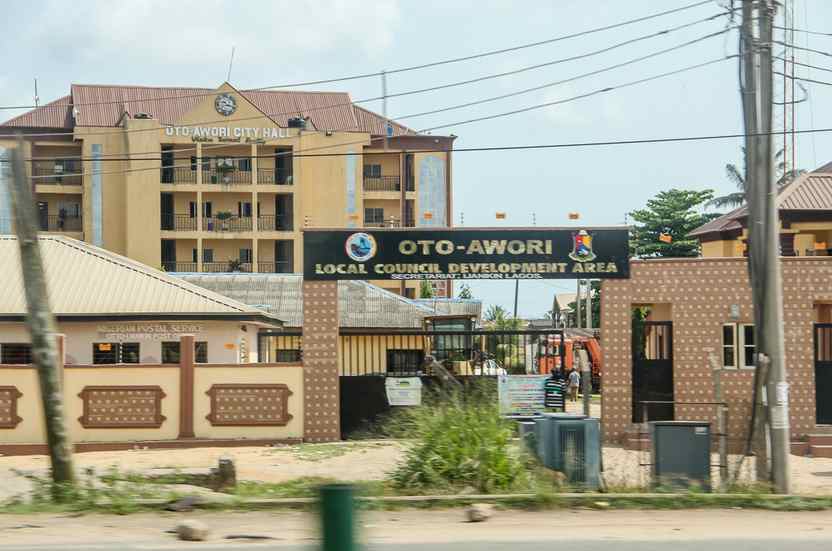
Oral history traces the origin of the Awori to migration from Ile-Ife, the cradle of Yoruba civilization. Guided by their leaders and driven by the search for fertile land and abundant waters, the Awori settled along riverbanks and lagoons, establishing communities that became vital centers of economic activity. Over time, they became known for their hospitality, cultural richness, and resilience in adapting to changes brought by trade, colonialism, and urban expansion.
Today, the Awori are not only keepers of age-old traditions but also major contributors to the development of Lagos and Ogun States. Their Oriki showcases their maritime heritage, agricultural abundance, and the pride they take in their history.
Location and Geography
Awori settlements are concentrated in the coastal and lagoon areas of Lagos State, as well as the Yewa and Ado-Odo/Ota axis of Ogun State. They occupy riverine landscapes, lowland plains, and islands linked by canoe routes and bridges. Their strategic location has made them important connectors between inland Yoruba communities and the Atlantic trade routes.
Cultural and Historical Significance
The Awori people have a rich cultural calendar, with festivals such as the Oro, Egungun, and Olojo (in some communities). They maintain distinct chieftaincy systems, with traditional rulers like the Olota of Ota and the Olofin of Isheri playing important cultural roles. Historically, the Awori were known as skilled traders in fish, palm produce, and salt, and as boat builders navigating the lagoons to trade with other Yoruba groups and beyond.
People and Occupations
Fishing remains a defining occupation among the Awori, alongside farming of crops such as cassava, maize, and vegetables. In urbanized areas like Ikeja, Ota, and Lagos Island, many Awori people have also embraced commerce, education, and modern professions. They are widely regarded as friendly, community-oriented, and industrious.
Unique Features of the Awori Homeland
Awori communities boast markets, shrines, and cultural landmarks that preserve their heritage. The lagoon and coastal scenery of Awori territory make it both a tourist attraction and a major contributor to Nigeria’s fishing industry.
Oriki Ilu Awori
Below is the traditional Oriki (praise poetry) of the Awori people.
Mariwo eh eh, agan eh eh
Mariwo tu yeri yeri
Agan tu yeri yeri
Awori Omo Akesan, omo oloko ni ilu Isheri,
Omo iwaju oloko to n s’owo,
Eyinkule oloko to nso ejigba’leke,
Omo ogedengede oloko to ntan yebe yebe loju omi,
Omo kafopa wa kafaje wa, ka tun sopa nu ka s’aje nu,
Kafogede gede owo w’ako de’le Isheri,
Omo agbeleke r’eru, omo eyigba, omo onitigbo mokun,
Omo erin gbokun yin ibon ode, omo ere fa kalu,
Omo oro nje omo oro nso, omo abi maku omo are maso,
Omo okansoso ajanaku to n migbo kijikiji…..
Omo Ogunrombi, omo arogun masa, omo ogun
niwase.
Conclusion
The Awori story is one of migration, adaptation, and cultural pride.
Need more? Browse through our Oriki Gallery today, at zero cost.
Check out the detailed Oriki of Abeokuta, the capi…
Learn the authentic Oriki of Ijebu today. Read the…
CONNECT WITH US: