support@yorubalibrary.com
+2348073529208
After the death of Ọba Adéwúwo in Act 1, Scene 1, the palace of Ojúrí remains in mourning. Act 1, Scene 2 takes us further inside the royal household and allows us to see how the palace manages the traditional responsibilities that follow the death of a king.
The scene introduces Sẹ̀gìlọlá, the senior wife in the palace, and the hunters, (Àwọn Ọdẹ), led by Àyánwùmí. Their arrival is important because they do not come merely as ordinary visitors. They come as a group connected with the security, protection and traditional life of the kingdom.
One of the major cultural features of the scene is the performance of Ìrẹ̀mọ̀jẹ́, a funeral chant associated with hunters. Through this ceremony, the scene continues the mourning for the late king while also showing the respect and loyalty that existed between the king, the palace and the hunters.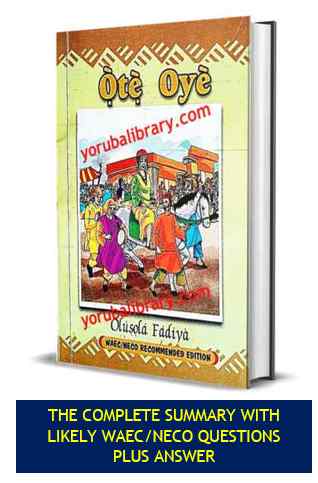 What Happens in Act 1, Scene 2?
Several important events take place in this scene:
• Sẹ̀gìlọlá manages affairs inside the palace.
• She makes sure that the palace is prepared for the people who are coming to pay their respects.
• Àwọn Ọdẹ arrive at the palace, led by Àyánwùmí.
• The hunters perform the Ìrẹ̀mọ̀jẹ́ chant as part of the mourning activities for Ọba Adéwúwo.
• The hunters demonstrate their bravery, strength and knowledge of traditional medicine.
• Their appearance tells the audience that hunters have an important place in the traditional security structure of the community.
• Balógun Akíngbọlá appreciates the hunters and thanks them for their loyalty to the throne.
The scene therefore does more than show another mourning ceremony. It begins to reveal the network of people and institutions surrounding the throne.
Sẹ̀gìlọlá and Her Role in the Palace
Sẹ̀gìlọlá is presented as the senior wife in the palace. Her position gives her responsibility within the royal household, particularly during a period when the palace is dealing with the death of the king. Her role in this scene is important for two reasons.
1. She represents order within the palace
The death of a king can create confusion because the person who normally occupies the highest position in the kingdom is no longer there. Yet the palace still has ceremonies to conduct and visitors to receive. Sẹ̀gìlọlá helps maintain order within the royal household.
2. She represents the palace's participation in traditional mourning
The arrival of the hunters requires preparation and proper reception. Sẹ̀gìlọlá ensures that things are ready for the visitors. Her character therefore helps the audience understand that mourning the king is not simply an emotional activity. It also involves organization, ceremony and adherence to established tradition.
The Arrival of Àwọn Ọdẹ
The arrival of the hunters is one of the most significant parts of Act 1, Scene 2. The hunters are led by Àyánwùmí, and they come to perform the Ìrẹ̀mọ̀jẹ́. In the world of the play, Àwọn Ọdẹ should not be understood simply as people who hunt animals for food. Their role is broader. The source presents them as people associated with bravery, strength, traditional medicine and security. This is important because the hunters have a relationship with the protection of the community and the throne. Their presence at the palace therefore have unique meaning
What Is Ìrẹ̀mọ̀jẹ́?Ìrẹ̀mọ̀jẹ́ is an important cultural expression to understand in this scene. In the text, it is presented as a funereal dirge or chant performed by hunters. The performance forms part of the mourning activities for the late king. It is therefore not simply entertainment or ordinary singing. Its appearance in the scene has a ceremonial purpose. Students should remember:
• Ìrẹ̀mọ̀jẹ́ is associated with hunters.
• It is performed in connection with mourning.
• The hunters perform it for the late Ọba Adéwúwo.
• It expresses respect and remembrance.
• It demonstrates the hunters' connection to the traditional life of the kingdom.
This makes Ìrẹ̀mọ̀jẹ́ one of the important cultural terms to remember when studying Act 1.
What the Hunters Demonstrate
The hunters do not simply arrive and leave. Their presence displays characteristics that are important to their identity in the play.
a) Bravery
The hunters are presented as courageous people. Their identity is connected with the ability to face danger.
b) Strength
Their physical strength supports their position as people capable of protecting the community.
c) Traditional Medicine
The scene also highlights their knowledge and use of oògùn, showing another dimension of their traditional role.
d) Loyalty
Most importantly for the development of the story, the hunters demonstrate loyalty to the throne. This is why Balógun Akíngbọlá appreciates them after their performance.
Balógun Akíngbọlá and the Hunters
Balógun Akíngbọlá's response to the hunters is significant. In Scene 1, Balógun was already acting as a stabilizing figure during the mourning period. In Scene 2, his interaction with the hunters further shows the relationship between the palace and those responsible for protecting the kingdom. He thanks the hunters for their loyalty. This helps establish an important idea early in the drama:
The strength of a kingdom does not depend only on the person sitting on the throne. It also depends on the loyalty and cooperation of the people and traditional groups surrounding the throne. This becomes particularly important later in the drama when the question of who should occupy the vacant throne becomes increasingly controversial.
Characters in Act 1, Scene 2
1) Sẹ̀gìlọlá
Sẹ̀gìlọlá is the senior wife in the palace. She manages the affairs of the other wives and palace staff and helps ensure that the royal household is properly organized during the mourning period.
2) Àyánwùmí
Àyánwùmí leads the hunters who arrive at the palace. His role connects the hunters with the traditional mourning ceremony.
3) Àwọn Ọdẹ
The hunters perform the Ìrẹ̀mọ̀jẹ́ and demonstrate bravery, strength and traditional knowledge. They also represent a group loyal to the throne and associated with the security of the community.
4) Balógun Akíngbọlá
Balógun remains an important authority figure in Ojúrí. He appreciates the hunters' performance and thanks them for their loyalty to the throne.
5) Ọba Adéwúwo
Although the king is already dead, his presence remains central to the scene because the activities taking place are connected with his death and mourning.
Moral Lessons from Act 1, Scene 2
1) Respect cultural traditions
The people of Ojúrí continue to observe their traditional practices after the death of the king. The scene teaches the importance of respecting meaningful cultural institutions.
2) Loyalty should be demonstrated through action
The hunters do not merely claim loyalty to the throne. They come to the palace and participate in the mourning ceremony.
3) Every position has responsibility
Sẹ̀gìlọlá's role shows that responsibility is not limited to the king. People serving within an institution must also contribute to its stability.
4) Strength should be used to protect
The hunters are associated with strength, bravery and traditional medicine. Their strength is presented as something that can serve and protect the community.
5) Honour the dead
The mourning activities demonstrate the importance of remembering and respecting those who have passed away, particularly leaders whose lives affected the community.
Why Act 1, Scene 2 Is Important
Act 1, Scene 2 is important because it expands the world of Ojúrí beyond the death of the king. Scene 1 establishes the loss: Who should become the next king of Ojúrí? That question is where the larger conflict surrounding Ọ̀tẹ̀ Oyè begins to take shape.
CONNECT WITH US: