support@yorubalibrary.com
+2348073529208
Marriage in Yoruba society is not treated as a simple event marked by celebration alone. It is understood as a major transition—one that involves emotional, social, and cultural shifts for the individuals involved, especially the bride. While modern expressions of weddings often highlight glamour, music, and public display, traditional practices preserve a meaning. Among these is Ẹ̀kún Ìyàwó, a form of oral literature that comprises of the emotional weight of a bride’s departure from her family home.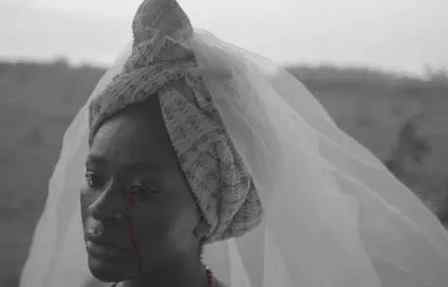 Ẹ̀kún Ìyàwó, which can be translated as “the bride’s lament,” is not merely a performance; it is an emotional expression structured within cultural expectations. It represents a moment where the bride openly shows on her upbringing, expresses gratitude to her parents, and acknowledges the reality of leaving behind a familiar environment. This is not done casually or playfully—it is done with intention, and seriousness
What makes this tradition particularly meaningful is its timing. Ẹ̀kún Ìyàwó is performed on the night before the main traditional wedding ceremony. In contemporary settings, this night is sometimes referred to as a “bridal shower” or “shower party,” but within Yoruba culture, it carries a deeper purpose. It is a transitional space between two stages of life: daughterhood and marriage. During this night, the bride is not yet fully part of her husband’s home, but she is already preparing to leave her father’s house. Ẹ̀kún Ìyàwó gives her a voice within this in-between moment.
The performance itself is deliberately drumless. This absence of musical instruments is not due to limitation but to intention. Drums, which often bring energy and celebration, are set aside to maintain a sober atmosphere. The focus is placed entirely on the voice—its tone, its emotion, and its message. This creates a setting where the audience listens closely, not for entertainment, but for meaning.
Another defining feature of Ẹ̀kún Ìyàwó is its gender specificity. It is performed exclusively by women, particularly the bride and her close female companions. These companions support her during the performance, echoing her expressions and reinforcing the emotional tone. Men are strictly excluded from participating in this aspect of the ceremony, as it is considered a private and sensitive moment centered on the bride’s experience.
The content of Ẹ̀kún Ìyàwó is deeply personal yet culturally structured. The bride expresses appreciation to her parents for their care, guidance, and sacrifices. She may recall aspects of her upbringing, acknowledge the discipline she received, and recognize the role her family has played in shaping her life. At the same time, she may express reluctance about leaving, not as rejection of marriage, but as a reflection of the bond she shares with her family.
An important element often incorporated into this performance is Oríkì Ìdílé—the lineage praise poetry of the bride’s family. Through this, the bride situates herself within her ancestry, acknowledging the identity she carries into her new home. Whether she belongs to the lineage of Olúgbọ́n, Àrẹ́sà, or another family, these praises upholds her background and remind both families of her roots.
The response from the parents is equally significant. As the bride expresses her emotions, her parents step forward to console her. They offer prayers, words of encouragement, and blessings for her future. This exchange transforms the performance into a dialogue—one that affirms both separation and continuity. While the bride is leaving physically, the bond between her and her family remains intact.
Ẹ̀kún Ìyàwó stands as a powerful example of how oral literature functions beyond storytelling. It becomes a medium for emotional release, cultural reinforcement, and communal participation. In a world where many traditions are being reshaped or simplified, this practice continues to hold its place, especially among the people of Ọ̀yọ́, where it is most prominently observed.
⚡ Wait...Do You Really Know the True Secrets of the Orishas?
Why was Sango called Jakuta before he was crowned Oba Koso? What hidden power lies in Ogun Onire’s original pact? And why is Obatala worshipped as the Apex Deity?
Stop guessing! True Orisha wisdom goes far beyond surface-level stories. Check out the secrets behind Sango, Ogun, Obatala, Osun, Esu, and Oro with our comprehensive e-book series. Inside each structured guide, you'll discover:
🎁The Masterclass e-Books Available at token! Claim Your Copy Today
What is Ẹ̀kún Ìyàwó?
Ẹ̀kún Ìyàwó is a traditional Yoruba oral performance rendered by a bride on the night before her wedding. It is a structured lament that combines gratitude, reflection, and emotional expression. Unlike other forms of oral literature that may involve musical accompaniment, this performance is intentionally drumless, allowing the voice to carry the full weight of the message.
The chant is not performed in isolation. The bride is supported by her female friends and companions, who join her in creating a unified and emotionally resonant presentation.
Cultural Context: Why the Bride Must Speak
In Yoruba culture, transitions are marked by expression. When a bride prepares to leave her family home, it is expected that she acknowledges this shift openly. Ẹ̀kún Ìyàwó provides the structure for this acknowledgment. With the performance, the bride:
• Expresses gratitude to her parents
• Reflects on her upbringing
• Shows emotional attachment to her family
• Prepares herself mentally for marriage
The Drumless Nature of Ẹ̀kún Ìyàwó
One of the most distinctive features of Ẹ̀kún Ìyàwó is the absence of drums. In many Yoruba performances, drums play a central role in setting rhythm and energy. However, in this context, their absence creates a quiet and focused atmosphere.
This allows the audience to engage directly with the bride’s voice. Every word, pause, and tone becomes significant. The lack of instrumental distraction ensures that the emotional content remains at the center of the experience.
Role of Oríkì Ìdílé in the Performance
Oríkì Ìdílé, or lineage praise poetry, is often joins into Ẹ̀kún Ìyàwó. Through these praises, the bride acknowledges her ancestry and affirms her identity. For example, if she belongs to the lineage of Olúgbọ́n or Àrẹ́sà, their respective praises may be included in the chant. This serves multiple purposes:
1) It reminds the audience of her background
2) It honors her family lineage
3) It reinforces the cultural importance of identity
Gender Restriction and Participation
Ẹ̀kún Ìyàwó is strictly a female-centered performance. Only women, particularly those considered mature and ready for marriage, are allowed to participate. The bride leads, while her female companions provide support.
Men are not permitted to take part in this aspect of the ceremony. This restriction preserves the privacy and emotional focus of the performance.
🌿Unluck Natural Healing with Your Backyard Plants!
Ever wondered what secrets your local leafs and plants have for lifelong health? Do you know what they can cure? Stop relying solely on pills which are chemicals!
With years of experience, we’ve compiled authentic knowledge into 3 masterclass e-books:
Performance Setting: The Night Before the Wedding
The performance takes place on the night preceding the main traditional wedding ceremony. In modern terms, this night may be referred to as a “shower party,” but within Yoruba culture, it has an elevated meaning.
The bride is dressed elegantly, and her friends gather around her, often bringing gifts. As the performance begins, the atmosphere shifts from celebration to reflection. The bride expresses her feelings with sincerity, often showing visible reluctance about leaving her father’s home.
Parental Response: Consolation and Blessing
As the bride performs Ẹ̀kún Ìyàwó, her parents respond with care and understanding. They step forward to console her, offering words that ease her transition. Their response typically includes:
• Prayers for her future
• Blessings for fertility and prosperity
• Encouragement to embrace her new role
Example of Practical Rendition of Ẹ̀kún Ìyàwó
Find below the original example of Ekun Iyawo rendition:
Iya mo n lo
E fadura sin mi o,
Baba mo n lo
E fadura sin mi o,
Kin ma ko si,
Kin ma kagbako nile oko,
Iya mo n lo
E fadura sin mi o,
Baba mo n lo
E fadura sin mi o
During the performance, the bride’s voice carries a steady but emotional tone. Her companions echo her lines, creating a layered expression of feeling. The absence of drums keeps the focus on the words, while the gradual build of emotion draws in everyone present.
Ekun Iyawo in Modern Time and Its Continuity
Ẹ̀kún Ìyàwó remains an important part of Yoruba wedding traditions, particularly among the people of Ọ̀yọ́. It preserves a moment of honesty within a larger celebration, allowing the bride to express what might otherwise remain unspoken.
CONNECT WITH US: