support@yorubalibrary.com
+2348073529208
Within the Yoruba system of knowledge, Ifá stands as one of the most structured bodies of wisdom. It is not simply a method of divination; it is a repository of philosophy, ethics, history, and guidance saved through verses known as Odù Ifá. These verses are memorized, interpreted, and transmitted by trained priests known as Babaláwo. However, apart from the recitation of verses and the act of divination itself, there exists a layer of oral expression that gives life, rhythm, and emotional depth to Ifá practice. One of the most powerful forms of this expression is Ìyẹ̀rẹ̀ Ifá.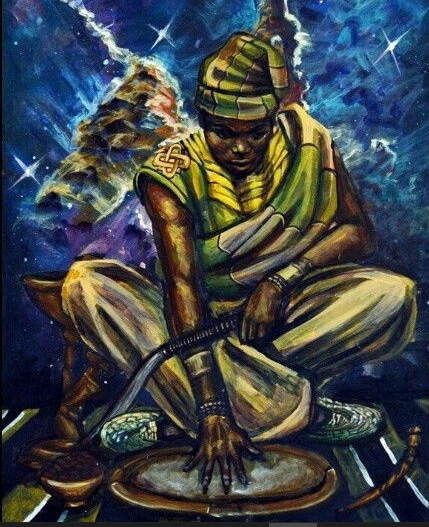 Ìyẹ̀rẹ̀ Ifá is not ordinary singing. It is a specialized chant reserved strictly for those initiated into the priesthood of Ifá. This restriction is not about exclusion for its own sake, but about preserving the integrity of the knowledge being expressed. The chants often contain encoded meanings, references to specific Odù, and narratives that require deep training to understand and deliver properly. As such, only a Babaláwo—someone who has undergone rigorous learning and initiation—can perform it with the authority it demands.
What makes Ìyẹ̀rẹ̀ Ifá particularly compelling is how it transforms intellectual knowledge into sound. The teachings of Ifá, which might otherwise remain in the realm of spoken interpretation, are given musical form. With rhythm, repetition, and tonal variation, complex ideas become memorable and emotionally engaging. This allows both practitioners and listeners to connect with the message on multiple levels—intellectual, spiritual, and moral.
Another defining feature of Ìyẹ̀rẹ̀ Ifá is its situational nature. It does not exist in isolation or as casual entertainment. It emerges at specific moments—during divination, ceremonies, and significant life events. When a Babaláwo performs divination and a particular Odù appears, the associated stories and praises tied to that Odù may be expressed through Ìyẹ̀rẹ̀. In this way, the chant becomes a direct response to the spiritual insight revealed at that moment. It is not random; it is precise and context-driven.
Far from divination, Ìyẹ̀rẹ̀ Ifá also plays a central role during important gatherings such as naming ceremonies, traditional marriages, funerals, and celebrations honoring respected priests. In these settings, the chant serves multiple purposes. It praises Ifá as a source of wisdom, acknowledges the lineage of practitioners, and cements the cultural values embedded within the tradition. It also creates a sense of continuity, linking present participants with generations of practitioners who have preserved the same knowledge.
The performance style of Ìyẹ̀rẹ̀ Ifá further distinguishes it from other forms of Yoruba oral literature. It typically follows a call-and-response structure, where a lead chanter initiates a line and others respond in chorus. This format not only enhances engagement but also shows the nature of Yoruba knowledge systems. Even though the Babaláwo leads, the collective voice upholds the message, creating a layered and dynamic sound.
Sound itself plays a crucial role in shaping the experience of Ìyẹ̀rẹ̀ Ifá. The tonal quality of the Yoruba language, combined with carefully controlled vocal delivery, allows the chant to carry both meaning and emotion. The addition of musical instruments, particularly the agogo (gong), further enriches this experience. The interplay between voice and instrument creates a rhythm that is both grounding and expressive.
In a time where many traditional practices face pressure from modernization, Ìyẹ̀rẹ̀ Ifá remains a strong example of continuity. It shows that oral literature is not static or outdated; it is adaptable, relevant, and in lived experience. Through chants like this, Ifá continues to speak—not only through divination, but through sound, performance, and shared memory.
⚡ Wait...Do You Really Know the True Secrets of the Orishas?
Why was Sango called Jakuta before he was crowned Oba Koso? What hidden power lies in Ogun Onire’s original pact? And why is Obatala worshipped as the Apex Deity?
Stop guessing! True Orisha wisdom goes far beyond surface-level stories. Check out the secrets behind Sango, Ogun, Obatala, Osun, Esu, and Oro with our comprehensive e-book series. Inside each structured guide, you'll discover:
🎁The Masterclass e-Books Available at token! Claim Your Copy Today
What is Ìyẹ̀rẹ̀ Ifá?
Ìyẹ̀rẹ̀ Ifá is a chant used primarily as a form of praise and narrative expression within the Ifá tradition. It is performed exclusively by Babaláwo, who possess the training required to understand the depth and context of the content being delivered. The chant serves as both a form of reverence to Ifá and a medium for expressing the stories and teachings embedded within the Odù.
Unlike general songs, Ìyẹ̀rẹ̀ Ifá is tied to specific spiritual moments. It is not performed casually or for entertainment alone. Each rendition is connected to a context—whether it is a divination session or a ceremonial gathering—and the content of the chant shows that context.
When and Why Ìyẹ̀rẹ̀ Ifá is Performed
One of the primary moments when Ìyẹ̀rẹ̀ Ifá emerges is during divination. When a Babaláwo consults Ifá and a particular Odù is revealed, the associated narratives, praises, and lessons may be expressed through chant. This allows the message of Ifá to be delivered in a form that is both engaging and memorable. Beyond divination, Ìyẹ̀rẹ̀ Ifá is also performed during significant events such as:
• Naming ceremonies
• Traditional marriages
• Funerals
• Celebrations honoring respected Ifá priests
The Call-and-Response Structure
A defining feature of Ìyẹ̀rẹ̀ Ifá is its call-and-response format. The lead chanter, usually an experienced Babaláwo, delivers a line that is then echoed or answered by a group. This structure creates a rhythm that draws listeners into the performance.
The call-and-response pattern is not just about musical style; it depicts the communal nature of Yoruba traditions. Knowledge is shared, reinforced, and sustained through collective participation. Even though the lead chanter carries authority, the chorus plays an essential role in amplifying the message.
Storytelling Through Ifá Verses
What sets Ìyẹ̀rẹ̀ Ifá apart from many other forms of oral literature is its strong connection to storytelling. The chant often draws directly from the narratives associated with specific Odù Ifá. These stories may include:
1) Accounts of past events
2) Moral lessons
3) Examples of human behavior and consequence
4) Interactions between spiritual forces and humans
The choice of story depends on the context of the performance. During divination, it conforms with the Odù that appears. During ceremonies, it may show the purpose of the gathering or the status of the individual being honored.
🌿Unluck Natural Healing with Your Backyard Plants!
Ever wondered what secrets your local leafs and plants have for lifelong health? Do you know what they can cure? Stop relying solely on pills which are chemicals!
With years of experience, we’ve compiled authentic knowledge into 3 masterclass e-books:
The Role of Agogo in Ìyẹ̀rẹ̀ Ifá
The agogo (gong) is the primary musical instrument used in Ìyẹ̀rẹ̀ Ifá. It provides a steady rhythm that supports the chant and enhances its delivery. Different types of agogo may be used, each producing a distinct pitch. This variation allows performers to create a layered and dynamic sound.
The interaction between the agogo and the chant is precise. The instrument does not overpower the voice; instead, it complements it, guiding the pace and emphasizing key moments in the performance. This balance between voice and instrument is essential to the overall effect of Ìyẹ̀rẹ̀ Ifá.
Example of Practical Rendition of Ìyẹ̀rẹ̀ Ifá
Below is the sample chant of Iyere Ifa being performed by Babalawo:
Lead:
Lilo mo n lo o,
Ni m o n gbo
Win-in-win-in-win-in omo eranko ninuu igbo
Response:
Hin-in
Lead:
Mo ni kin lo se yin o
Omo eranko
Response:
Hin-in
Lead:
Awon omo eranko ti lawon o lolori
Response:
Hin-in
Lead:
A wa fi kin-ni-un joloja
Response:
Omo eranko
E mama wa, e wa sun
Omo eranko
In performance, the lead Babaláwo begins with a measured and authoritative tone, introducing the line. The chorus responds in unison, maintaining rhythm with the agogo. The chant builds gradually, with repetition and variation creating a sense of continuity and emphasis. The result is a performance that is both structured and expressive.
Cultural Importance and Preservation
Ìyẹ̀rẹ̀ Ifá plays a crucial role in preserving the teachings of Ifá. By transforming verses into chant, it ensures that knowledge is not only remembered but also felt. The rhythm and repetition make it easier to retain, while the performance context reinforces its significance. As Yoruba communities continue to evolve, practices like Ìyẹ̀rẹ̀ Ifá remain vital.
CONNECT WITH US: