support@yorubalibrary.com
+2348073529208, 07038599574
Yoruba culture is highly unique and comprises of a rich tradition of music and dance, where each element complements the other. Dance is not just a form of entertainment but a crucial way of interpreting and conveying the rhythms and messages inherent in Yoruba music. The connection between dance and music in Yoruba culture is a reflection of the community's values, beliefs, and historical experiences.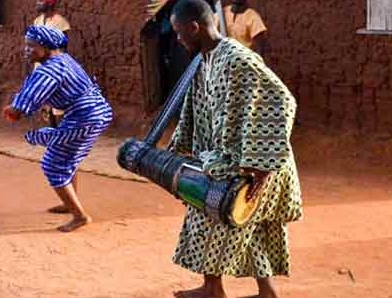
The Role of Music in Yoruba Culture
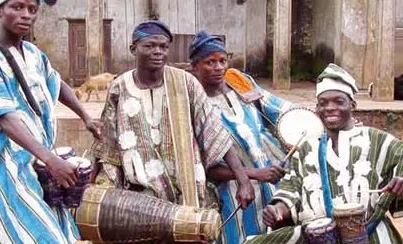
Music in Yoruba culture serves as a tool for communication, celebration, and spiritual expression. It is an essential part of ceremonies, festivals, and rituals. Yoruba music is characterized by complex rhythms, layered percussion, and call-and-response vocal patterns. The instruments commonly used include drums like the dundun and bata, shekere (a type of rattle), and agogo (a type of bell known as gong).
Dance as a Language of Rhythm
Yoruba dance is a physical expression of the music, translating rhythms and melodies into movement. Dancers respond to the beats and pulses, creating a visual representation of the sound. Each movement has a meaning, often related to the lyrics or the story being told by the music. Dance allows individuals to connect with the music on a deeper level, transcending mere auditory experience.
Types of Yoruba Dance
1. Bata Dance
The Bata dance is closely associated with the bata drum, which is used in religious ceremonies, particularly those dedicated to Sango, the god of thunder. The dance movements are dynamic and energetic, mirroring the rapid, intricate rhythms of the drum. Bata dancers often use their entire bodies, incorporating spins, jumps, and gestures that emphasize the drumbeats.
2. Egungun Dance
Egungun dance is performed during festivals honoring the ancestors. It is a spiritual dance where performers wear elaborate masks and costumes to embody the spirits of the deceased. The movements are rhythmic and deliberate, designed to invoke the presence of the ancestors and convey their messages to the living.
3. Gelede Dance
The Gelede dance is a tribute to female elders and deities. It involves graceful, flowing movements that reflect the nurturing and protective aspects of womanhood. The dance is performed to the rhythms of drums and songs that praise the power and wisdom of women in Yoruba society.
Dance and Spirituality
In Yoruba culture, dance is not only an artistic expression but also a spiritual practice. It is used to connect with the divine, invite spiritual energies, and seek blessings. During religious ceremonies, dancers enter trance-like states, becoming mediums through which deities communicate with the community. This spiritual dimension of dance underscores its significance beyond mere performance.
The Symbiosis of Dance and Music
The relationship between dance and music in Yoruba culture is symbiotic. Music sets the tempo and mood, while dance interprets and enhances the musical experience. This interplay creates a dynamic cultural expression that is both entertaining and educational. Through dance, the stories and histories embedded in Yoruba music are brought to life, allowing audiences to experience and appreciate the cultural heritage more fully.
Conclusion
Dance is an integral part of Yoruba musical tradition, offering a means to interpret and engage with the rhythms and messages of the music. It serves as a bridge between the physical and spiritual realms, connecting individuals to their heritage and community. Understanding how dance interprets Yoruba musical rhythms provides insight into the rich cultural tapestry of the Yoruba people and highlights the enduring importance of music and dance in their society.
The unique styles of Yoruba Bata and Dundun dances…

The emergence of new age social media and impact i…
CONNECT WITH US: