support@yorubalibrary.com
+2348073529208
When you hear Yoruba people saying "Kankan ni oro ina n mu igi, wara-wara l'omode n ti oko Esisi bo", be assured that they are talking about this leaf in particular. This unique and popular leaf has many myths that surround it. The leaf has a special characteristics among other leafs - hitching. This mean, if any of your body accidentally touch the leaf, that portion of your body will hitch you for a handful amount of time.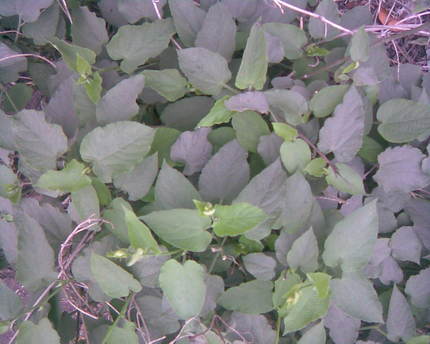
Ewe Esisi, also known as the candle bush or Cassia Alata, holds a special place in Yoruba culture and tradition. This versatile plant, with its striking yellow flowers and compound leaves, is not only celebrated for its medicinal properties but also revered for its symbolic meanings and practical applications. Among the Yoruba people, Ewe Esisi is considered a gift of nature, reflecting the interconnectedness of health, spirituality, and morality in their worldview.
Physical Description and Habitat
Ewe Esisi is a tropical shrub that thrives in humid environments, commonly found in the wild or cultivated in gardens. It is easily recognizable by its stature, bright yellow flowers resembling candle flames, and pinnate leaves that spread wide. Its striking appearance makes it stand out in any environment, and its natural adaptability ensures its prominence in various parts of Yoruba land.
🌿Unluck Natural Healing with Your Backyard Plants!
Ever wondered what secrets your local leafs and plants have for lifelong health? Do you know what they can cure? Stop relying solely on pills which are chemicals!
With years of experience, we’ve compiled authentic knowledge into 3 masterclass e-books:
Medicinal Uses of Ewe Esisi
Traditionally, Ewe Esisi is highly valued in Yoruba medicine for its powerful healing properties. The plant is often referred to as a natural pharmacy due to its effectiveness in treating numerous ailments.
Cultural Significance of Ewe Esisi
In Yoruba culture, plants are not only seen as physical entities but also as spiritual tools. Ewe Esisi is associated with purification, renewal, and protection. It is believed to ward off evil spirits and bring positive energy into homes and communities. During traditional rituals, it is sometimes included among the sacred leaves used to invoke blessings or cleanse individuals from negative influences.
The resilience of Ewe Esisi, thriving even in challenging environments, mirrors the Yoruba spirit of perseverance and adaptability. The plant’s bright yellow flowers are symbolic of hope, enlightenment, and vitality—qualities highly esteemed in Yoruba proverbs and teachings.
Yoruba Proverbs about Ewe Esisi
Yoruba proverbs teach wisdom and moral lessons, often inspired by nature. Here are some proverbs that revolve around Ewe Esisi and its symbolic meanings:
1) Bi ina Esisi ba n j'oni, ti n j'omo eni, ti ara eni la n koko gbon.
2) Ina Esisi kii j'oni leemeji
3) Esisi gba ara re, gba igi oko
⚡ Wait...Do You Really Know the True Secrets of the Orishas?
Why was Sango called Jakuta before he was crowned Oba Koso? What hidden power lies in Ogun Onire’s original pact? And why is Obatala worshipped as the Apex Deity?
Stop guessing! True Orisha wisdom goes far beyond surface-level stories. Check out the secrets behind Sango, Ogun, Obatala, Osun, Esu, and Oro with our comprehensive e-book series. Inside each structured guide, you'll discover:
🎁The Masterclass e-Books Available at token! Claim Your Copy Today
CONNECT WITH US: