support@yorubalibrary.com
+2348073529208
Nicotiana tabacum (Ewe Taba), commonly known as tobacco, holds a unique place in Yoruba traditional medicine. This potent plant has been used for centuries for its various health benefits and medicinal properties. In this article, we explore the uses and medicinal value of Nicotiana tabacum, highlighting its significance in Yoruba culture.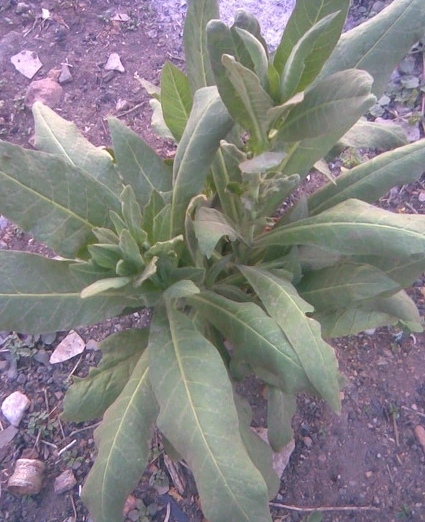
Key Facts
Category: Leaf
Botanical Name: Nicotiana tobacum
Common Name: Tobacco Leaf
Yoruba name: Ewe taba
Igbo Name: Utaba
Hausa Name: Taba
Historical Significance of Nicotiana Tabacum
In Yoruba culture, Nicotiana tabacum is more than just a plant used for smoking. It has a long history of medicinal use, valued for its ability to treat various ailments. Yoruba herbalists have utilized its properties to create remedies for numerous conditions.
Health Benefits of Ewe Taba
Pain Relief
Nicotiana tabacum is known for its analgesic properties. It is often used to relieve pain from headaches, muscle aches, and other conditions. Its pain-relieving effects are a key reason for its use in traditional medicine.
Anti-inflammatory Properties
The anti-inflammatory properties of Nicotiana tabacum make it effective in reducing inflammation. It is used in remedies for conditions such as arthritis and skin inflammations.
Respiratory Benefits
Tobacco has been traditionally used to treat respiratory issues. It is believed to help with conditions such as asthma and bronchitis, although modern usage cautions against its potential harmful effects.
Uses of Ewe Taba in Yoruba Traditional Medicine
Treatment of Infections
Yoruba traditional healers use Nicotiana tabacum to treat various infections. Its antimicrobial properties help fight bacteria and viruses, making it an effective natural remedy for infections.
Wound Healing
Tobacco leaves are applied to wounds and cuts to promote healing. The plant's compounds help prevent infections and speed up the healing process.
Alleviating Digestive Issues
Nicotiana tabacum is also used to alleviate digestive issues. It can help with conditions such as constipation and stomach pains when used appropriately.
🌿Unluck Natural Healing with Your Backyard Plants!
Ever wondered what secrets your local leafs and plants have for lifelong health? Do you know what they can cure? Stop relying solely on pills which are chemicals!
With years of experience, we’ve compiled authentic knowledge into 3 masterclass e-books:
How to Use Ewe Taba
Topical Application
For pain relief and wound healing, tobacco leaves can be crushed and applied directly to the affected area. This method allows the beneficial compounds to penetrate the skin and provide relief.
Smoking and Inhalation
Traditionally, smoking tobacco was used to treat respiratory issues, though modern understanding of tobacco's harmful effects has led to caution in this practice.
Infusions and Decoctions
Tobacco infusions and decoctions, made by steeping or boiling the leaves, are used as remedies for infections and digestive issues. However, care should be taken due to the plant's potent properties.
Conclusion
Nicotiana tabacum (Ewe Taba) is a notable component of Yoruba traditional medicine, recognized for its diverse health benefits. Its pain-relieving, anti-inflammatory, and antimicrobial properties make it a valuable medicinal plant. While its use requires caution due to potential harmful effects, it remains an important part of Yoruba herbal practices.
⚡ Wait...Do You Really Know the True Secrets of the Orishas?
Why was Sango called Jakuta before he was crowned Oba Koso? What hidden power lies in Ogun Onire’s original pact? And why is Obatala worshipped as the Apex Deity?
Stop guessing! True Orisha wisdom goes far beyond surface-level stories. Check out the secrets behind Sango, Ogun, Obatala, Osun, Esu, and Oro with our comprehensive e-book series. Inside each structured guide, you'll discover:
🎁The Masterclass e-Books Available at token! Claim Your Copy Today
CONNECT WITH US: