support@yorubalibrary.com
+2348073529208
Chrysophyllum albidum, commonly known as Agbalumo in Yoruba, is a tropical fruit tree native to West Africa. The fruit is also known as African star apple, and it is cherished for its unique taste and numerous health benefits. Agbalumo is widely consumed in Nigeria and plays an essential role in traditional medicine and local diets.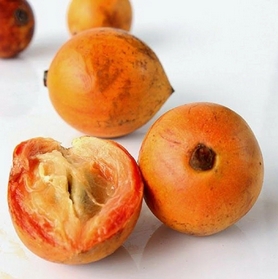
Key Facts
Category: Fruit
Botanical Name: Crysophylum albedum
Common Name: Star Apple
Yoruba name: Agbalumo
Igbo Name: Odara/udala
Hausa Name: Agwaliba
Botanical Characteristics of Agbalumo
Agbalumo belongs to the Sapotaceae family and can grow up to 25 to 37 meters tall. The tree produces small, round fruits with a leathery skin that turns orange when ripe. The fruit contains a juicy pulp that is sweet and slightly acidic, with several brown seeds at its center. The leaves are glossy and dark green, and the tree is often found in forests and rural areas.
Culinary Uses of Agbalumo
Agbalumo is enjoyed both fresh and processed in various forms:
1. Fresh Consumption:
The fruit is often eaten fresh, enjoyed for its sweet and tangy flavor that provides a refreshing snack.
2. Beverages:
Agbalumo is used to make juices and smoothies, offering a nutritious and delicious drink option.
3. Desserts and Snacks:
The pulp can be incorporated into desserts, jams, and jellies, adding a distinct flavor to various dishes.
🌿Unluck Natural Healing with Your Backyard Plants!
Ever wondered what secrets your local leafs and plants have for lifelong health? Do you know what they can cure? Stop relying solely on pills which are chemicals!
With years of experience, we’ve compiled authentic knowledge into 3 masterclass e-books:
Medicinal Benefits of Chrysophyllum albidum
Agbalumo is highly regarded for its medicinal properties and health benefits:
1. Rich in Vitamin C: The fruit is an excellent source of vitamin C, which boosts the immune system and helps in the prevention of colds and infections.
2. Antioxidant Properties: Agbalumo is rich in antioxidants, which help combat oxidative stress and protect the body from free radical damage, reducing the risk of chronic diseases.
3. Digestive Health: The fruit's high fiber content aids digestion, preventing constipation and promoting a healthy gut.
4. Weight Management: Low in calories and high in fiber, Agbalumo is beneficial for weight management by promoting satiety and reducing overall calorie intake.
5. Blood Sugar Control: Some studies suggest that Agbalumo may help regulate blood sugar levels, making it a good fruit choice for individuals with diabetes.
Traditional Medicinal Uses of Agbalumo
In Yoruba traditional medicine, various parts of the Agbalumo tree are used for their healing properties:
1. Leaf Infusions:
The leaves are used to make infusions that are believed to treat diarrhea and dysentery.
2. Bark and Roots:
The bark and roots are used in decoctions to treat ailments such as malaria and yellow fever.
⚡ Wait...Do You Really Know the True Secrets of the Orishas?
Why was Sango called Jakuta before he was crowned Oba Koso? What hidden power lies in Ogun Onire’s original pact? And why is Obatala worshipped as the Apex Deity?
Stop guessing! True Orisha wisdom goes far beyond surface-level stories. Check out the secrets behind Sango, Ogun, Obatala, Osun, Esu, and Oro with our comprehensive e-book series. Inside each structured guide, you'll discover:
🎁The Masterclass e-Books Available at token! Claim Your Copy Today
Conclusion
Agbalumo (Chrysophyllum albidum) is more than just a delicious fruit; it is a valuable plant in Yoruba culture and traditional medicine. Its nutritional and medicinal benefits make it an essential part of the diet and a natural remedy for various health conditions.
CONNECT WITH US: