support@yorubalibrary.com
+2348073529208
Mucuna pruriens, commonly known as Yerepe in Yoruba, is a tropical legume famous for its medicinal properties. This plant, often found in Africa and Asia, is known for its role in traditional medicine, where it is used to treat various ailments.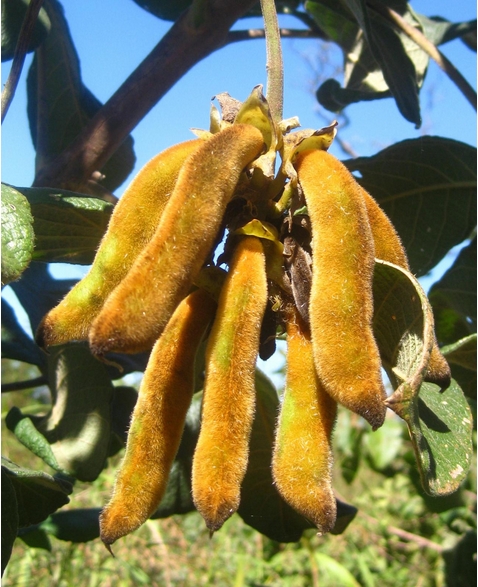
Please note, while Yerepe has its own medicinal value in Yoruba Traditional medicine practice, yet it is very dangerous. Holding it with bare hand will cause discomfort, hitching and so on.
This is why a proverb says "Yerepe ni mi, ti mi o ni ibikan a ngba mu" (Often use to express how powerful and formidable a person is)
Key Facts
Category: Leaf/Bulb
Botanical Name: Mucuna pruriens
Common Name: Devil's Bean
Yoruba name: Yerepe (or Werepe)
Igbo Name: Nil
Hausa Name: Nil
Botanical Characteristics of Yerepe
Yerepe is a climbing shrub belonging to the Fabaceae family. It is characterized by its long, velvety pods and distinctive, itchy hairs that cover the seed pods. The plant produces purple or white flowers and can grow up to 15 meters in length, often winding around other plants for support.
Traditional Uses of Yerepe
In Yoruba culture, Yerepe has a variety of traditional uses:
1. Aphrodisiac:
Yerepe is traditionally used to enhance libido and fertility. It is believed to improve sexual health and vitality.
2. Nervous System Support:
The plant is used to calm nerves and reduce anxiety, promoting mental well-being and relaxation.
3. Energy and Stamina:
Yerepe is consumed to boost energy levels and stamina, making it popular among those who engage in physically demanding activities.
🌿Unluck Natural Healing with Your Backyard Plants!
Ever wondered what secrets your local leafs and plants have for lifelong health? Do you know what they can cure? Stop relying solely on pills which are chemicals!
With years of experience, we’ve compiled authentic knowledge into 3 masterclass e-books:
Medicinal Benefits of Mucuna pruriens
Yerepe is valued for its wide range of medicinal properties:
1. L-DOPA Content: One of the primary active ingredients in Yerepe is L-DOPA, a precursor to dopamine. This makes it beneficial in managing conditions like Parkinson's disease by enhancing dopamine levels in the brain.
2. Antioxidant Properties: The plant is rich in antioxidants that help protect the body from oxidative stress, reducing the risk of chronic diseases and supporting overall health.
3. Anti-inflammatory Effects: Yerepe is used to reduce inflammation and alleviate pain, making it helpful for conditions such as arthritis and joint pain.
4. Mood Enhancement: The L-DOPA content also aids in improving mood and mental health, helping to alleviate symptoms of depression and anxiety.
5. Blood Sugar Regulation: Studies suggest that Yerepe may help regulate blood sugar levels, making it beneficial for individuals with diabetes or those at risk.
Modern Applications of Yerepe
With increasing interest in natural and holistic remedies, Mucuna pruriens is gaining attention in modern medicine. Its extracts are used in supplements and herbal formulations to support neurological health and overall wellness.
⚡ Wait...Do You Really Know the True Secrets of the Orishas?
Why was Sango called Jakuta before he was crowned Oba Koso? What hidden power lies in Ogun Onire’s original pact? And why is Obatala worshipped as the Apex Deity?
Stop guessing! True Orisha wisdom goes far beyond surface-level stories. Check out the secrets behind Sango, Ogun, Obatala, Osun, Esu, and Oro with our comprehensive e-book series. Inside each structured guide, you'll discover:
🎁The Masterclass e-Books Available at token! Claim Your Copy Today
Conclusion
Yerepe (Mucuna pruriens) is an important plant in Yoruba traditional medicine, offering numerous health benefits. Its historical significance and potential for modern applications highlight its value as a natural remedy.
CONNECT WITH US: