support@yorubalibrary.com
+2348073529208
Neubouldia laevis, commonly known as the African border tree and referred to as Ewe Akoko in Yoruba, is a crucial plant in Yoruba traditional medicine. This herb is valued for its extensive range of medicinal properties and cultural significance.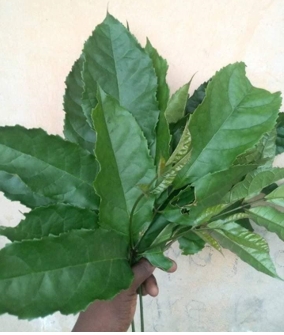
Key Facts
Category: Leaf
Botanical Name: Neubouldia laevis
Common Name: African tylip tree
Yoruba name: Ewe Akoko
Igbo Name: Ogilisi/ogirisi
Hausa Name: Aduruku
The Botanical Profile of Ewe Akoko
Neubouldia laevis belongs to the Bignoniaceae family. It is a medium-sized tree with compound leaves, fragrant flowers, and a smooth bark. The leaves, bark, and roots are used in various traditional remedies.
Traditional Uses of Ewe Akoko in Yoruba Culture
1. Medicinal Uses:
Wound Healing: Ewe Akoko is applied topically to treat wounds and promote faster healing.
Fever Reduction: It is used to reduce fever and alleviate symptoms of malaria.
Anti-inflammatory: The plant is used to treat inflammation and related conditions.
2. Cultural Uses:
Rituals and Ceremonies: Ewe Akoko is often used in Yoruba rituals and ceremonies, symbolizing peace and prosperity.
🌿Unluck Natural Healing with Your Backyard Plants!
Ever wondered what secrets your local leafs and plants have for lifelong health? Do you know what they can cure? Stop relying solely on pills which are chemicals!
With years of experience, we’ve compiled authentic knowledge into 3 masterclass e-books:
Medicinal Value of Neubouldia laevis
1. Antimicrobial Properties:
Ewe Akoko has strong antimicrobial effects, making it effective in treating infections. The leaves and bark are used to prepare decoctions that are applied to wounds and sores.
2. Anti-inflammatory Effects:
The plant contains compounds that reduce inflammation, providing relief for conditions such as arthritis and other inflammatory diseases.
3. Fever Reduction:
Ewe Akoko is traditionally used to manage fevers, including those associated with malaria. Its antipyretic properties help in lowering body temperature and alleviating fever symptoms.
4. Wound Healing:
The leaves and bark of Neubouldia laevis are known for their wound-healing properties. They are applied to cuts, burns, and other skin injuries to promote healing and prevent infection.
5. Pain Relief:
Ewe Akoko is also used for its analgesic properties, helping to relieve pain from various ailments, including headaches and menstrual cramps.
⚡ Wait...Do You Really Know the True Secrets of the Orishas?
Why was Sango called Jakuta before he was crowned Oba Koso? What hidden power lies in Ogun Onire’s original pact? And why is Obatala worshipped as the Apex Deity?
Stop guessing! True Orisha wisdom goes far beyond surface-level stories. Check out the secrets behind Sango, Ogun, Obatala, Osun, Esu, and Oro with our comprehensive e-book series. Inside each structured guide, you'll discover:
🎁The Masterclass e-Books Available at token! Claim Your Copy Today
Conclusion
Neubouldia laevis (Ewe Akoko) is a vital herb in Yoruba traditional medicine, offering a multitude of health benefits. Its medicinal and cultural uses underscore its importance in promoting well-being and treating various ailments within the Yoruba community.
CONNECT WITH US: