support@yorubalibrary.com
+2348073529208
Lawsonia inermis, commonly known as Ewe Laali in Yoruba, is a versatile plant used in traditional medicine and cultural practices. This shrub, recognized for its leaves that produce a natural dye, has been an integral part of Yoruba heritage for centuries.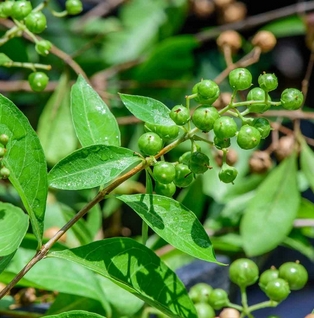
Key Facts
Category: Leaf
Botanical Name: Lawsonia inermis
Common Name: Nil
Yoruba name: Ewe Laali
Igbo Name: Nil
Hausa Name: Nil
Botanical Characteristics of Ewe Laali
Ewe Laali is a flowering plant native to North Africa, Asia, and the Middle East. In Yoruba regions, it thrives in tropical climates and can grow up to 6 meters tall. The plant is characterized by its fragrant white or pink flowers and small, green leaves that contain a rich pigment.
Traditional Uses of Ewe Laali
In Yoruba culture, Ewe Laali is revered for its multiple applications:
1. Hair and Skin Dye:
The leaves of Ewe Laali are traditionally ground into a paste and used as a natural dye for hair and skin. This practice is not only for aesthetic purposes but also for cultural rituals and ceremonies.
2. Body Art:
Henna, derived from Ewe Laali, is used to create intricate designs on the body. These designs are often applied during weddings and festivals, symbolizing beauty and auspiciousness.
3. Cultural Symbolism:
Beyond its physical applications, Ewe Laali holds symbolic meaning in Yoruba customs, representing health, protection, and spiritual well-being.
🌿Unluck Natural Healing with Your Backyard Plants!
Ever wondered what secrets your local leafs and plants have for lifelong health? Do you know what they can cure? Stop relying solely on pills which are chemicals!
With years of experience, we’ve compiled authentic knowledge into 3 masterclass e-books:
Medicinal Benefits of Lawsonia inermis
The medicinal properties of Ewe Laali are widely recognized in traditional Yoruba medicine:
1. Antimicrobial Properties: Ewe Laali has natural antimicrobial properties, making it effective in treating skin infections and wounds. The leaves can be crushed and applied directly to the affected area for healing.
2. Anti-inflammatory Effects: The plant is used to reduce inflammation and relieve pain. It is particularly useful for conditions like arthritis and joint pain, where topical application of Ewe Laali paste can provide relief.
3. Digestive Health: Consuming extracts from Ewe Laali leaves can aid in digestion and treat gastrointestinal disorders. It is often used to alleviate symptoms of indigestion and stomach cramps.
4. Hair Health: As a natural conditioner, Ewe Laali strengthens hair and prevents dandruff. Its nourishing properties promote healthy hair growth and improve scalp health.
Ewe Laali in Modern Applications
With growing interest in natural and sustainable products, Ewe Laali is gaining popularity beyond traditional settings. Its use in cosmetics, skincare, and hair care products highlights its versatility and effectiveness.
⚡ Wait...Do You Really Know the True Secrets of the Orishas?
Why was Sango called Jakuta before he was crowned Oba Koso? What hidden power lies in Ogun Onire’s original pact? And why is Obatala worshipped as the Apex Deity?
Stop guessing! True Orisha wisdom goes far beyond surface-level stories. Check out the secrets behind Sango, Ogun, Obatala, Osun, Esu, and Oro with our comprehensive e-book series. Inside each structured guide, you'll discover:
🎁The Masterclass e-Books Available at token! Claim Your Copy Today
Conclusion
Ewe Laali (Lawsonia inermis) remains an important plant in Yoruba culture, offering both aesthetic and medicinal benefits. Its enduring presence in traditional practices underscores its significance and potential for broader applications.
CONNECT WITH US: