support@yorubalibrary.com
+2348073529208
Ewe Lapa Lapa is of two different types - Lapa Funfun and Lapa Pupa. This leaf known botanically as Jatropha curcas, commonly known as physic nut, is a significant plant in Yoruba traditional medicine. This versatile herb is celebrated for its extensive range of therapeutic properties, used to treat various health conditions. The Yoruba people have long recognized the healing potential of Jatropha curcas.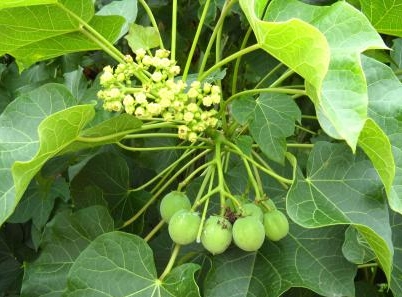
Key Facts
Category: Leaf
Botanical Name: Jatropha curcas
Common Name: Jatropha
Yoruba name: Ewe Lapalapa, Iyalode, Botuje
Igbo Name: Nil
Hausa Name: Nil
Uses of Jatropha curcas in Yoruba Medicine
In Yoruba traditional practices, different parts of the Jatropha curcas plant are used for diverse medicinal purposes:
1. Leaves:
The leaves of Jatropha curcas are known for their anti-inflammatory and analgesic properties. They are often used to treat pain, swelling, and skin conditions. The leaves can be crushed and applied directly to the affected area or boiled to make a soothing poultice.
2. Seeds:
The seeds of the plant are used as a potent laxative. They are ground into a powder and consumed to relieve constipation and cleanse the digestive system. However, due to their strong effects, they must be used with caution and under the guidance of a knowledgeable practitioner.
3. Roots:
The roots of Jatropha curcas (Egbo Botuje) are utilized for their antimicrobial properties. They are boiled to create a decoction that helps treat infections and purify the blood. The roots are also used to alleviate gastrointestinal issues such as diarrhea and stomach pain.
4. Sap:
The sap of Jatropha curcas is applied externally to treat skin ailments. It is known for its healing properties and is used to treat cuts, wounds, and fungal infections.
🌿Unluck Natural Healing with Your Backyard Plants!
Ever wondered what secrets your local leafs and plants have for lifelong health? Do you know what they can cure? Stop relying solely on pills which are chemicals!
With years of experience, we’ve compiled authentic knowledge into 3 masterclass e-books:
Medicinal Value of Jatropha curcas
The medicinal value of Jatropha curcas is rooted in its bioactive compounds, which provide a variety of health benefits:
1. Anti-Inflammatory and Analgesic Effects: The leaves contain compounds that reduce inflammation and relieve pain, making them useful in treating conditions like arthritis and skin irritations.
2. Laxative Properties: The seeds act as a natural laxative, helping to relieve constipation and cleanse the digestive system. They should be used carefully due to their potency.
3. Antimicrobial Effects: The roots and sap of Jatropha curcas have strong anti-microbial properties that help in treating infections and preventing the growth of harmful bacteria and fungi.
4. Wound Healing: The sap is effective in promoting the healing of cuts, wounds, and skin infections. It helps prevent infections and speeds up the healing process.
5. Gastrointestinal Health: The roots aid in improving gastrointestinal health, helping to alleviate issues such as diarrhea, stomach pain, and other digestive disorders.
⚡ Wait...Do You Really Know the True Secrets of the Orishas?
Why was Sango called Jakuta before he was crowned Oba Koso? What hidden power lies in Ogun Onire’s original pact? And why is Obatala worshipped as the Apex Deity?
Stop guessing! True Orisha wisdom goes far beyond surface-level stories. Check out the secrets behind Sango, Ogun, Obatala, Osun, Esu, and Oro with our comprehensive e-book series. Inside each structured guide, you'll discover:
🎁The Masterclass e-Books Available at token! Claim Your Copy Today
Conclusion
Jatropha curcas (Ewe Lapa-lapa, Ewe Iyalode, Ewe Botuje) is a versatile and potent plant deeply integrated into Yoruba traditional medicine. Its various parts, from the leaves to the sap, offer numerous health benefits, including anti-inflammatory effects, laxative properties, antimicrobial effects, wound healing, and gastrointestinal health support. By incorporating Jatropha curcas into their healing practices, the Yoruba people utilize a natural remedy with significant therapeutic potential.
CONNECT WITH US: