support@yorubalibrary.com
+2348073529208
One Yoruba proverb says "B'olode o ku, ode re kii hu gbegi" (if the owner of the compound doesn't die, weed won't sprout up in his compound).
Ewe Gbẹgi, known in English as Wiregrass and botanically as Eleusine indica, is a common wild grass in Yoruba land, often found along roadsides, farmlands, and open fields. Though it is mostly regarded as a weed, Yoruba traditional medicine considers Gbẹgi a powerful medicinal plant with various health and spiritual benefits.
Ewe Gbẹgi is known for its blood-cleansing, fever-reducing, and wound-healing properties. Spiritually, it is often used in ritual baths and protection works. The name "Gbẹgi" in Yoruba suggests its firm, wiry nature, which reflects its resilience and perceived spiritual strength.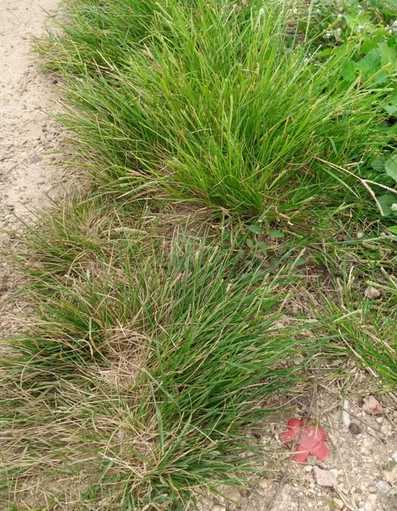
Key Facts
Category: Leaf
Botanical Name: Eleusine Indica
Common Name: Wiregrass Or Goosegrass
Yoruba name: Ewe Gbẹgi
Igbo Name: Nil
Hausa Name: Nil
Health Benefits
1. Reduces Fever and Malaria Symptoms
Yoruba herbalists boil Gbẹgi leaves to prepare herbal drinks that cool the body and reduce fever.
2. Cleanses the Blood and Detoxifies the Body
Regular herbal baths or mild drinks made from Ewe Gbẹgi help purify the blood and remove toxins.
3. Heals Wounds and Skin Infections
Crushed Gbẹgi leaves are applied as a natural poultice for wounds, cuts, and skin rashes to speed up healing.
4. Relieves Stomach Upset and Mild Diarrhea
Mild decoctions of Gbẹgi are sometimes used to calm stomach discomfort and regulate bowel movement.
5. Restores Strength After Sickness
Because of its cooling and detoxifying nature, it helps the body regain energy after malaria or long illness.
6. Soothes Inflammatory Pains
Some Yoruba herbalists use Gbẹgi compresses on swollen or painful areas to reduce inflammation.
🌿Unluck Natural Healing with Your Backyard Plants!
Ever wondered what secrets your local leafs and plants have for lifelong health? Do you know what they can cure? Stop relying solely on pills which are chemicals!
With years of experience, we’ve compiled authentic knowledge into 3 masterclass e-books:
Spiritual Use
1. Cleansing Negative Energy and Bad Luck
Ewe Gbẹgi is commonly used in ritual baths to remove bad luck, spiritual blockages, and negative energy.
2. Protection Against Evil Attacks
The grass is sometimes tied in small bundles or placed at strategic points in homes to ward off evil spirits and witchcraft attacks.
3. Purification in Traditional Rites
Gbẹgi water is sprinkled during certain Yoruba rites to purify the environment and invite positive energy.
4. Breaking Spiritual Ties
Some herbalists use Gbẹgi in cleansing rituals for people believed to be spiritually tied to bad luck or failure.
5. Attracting Peace and Stability
Because of its strong grounding nature, Gbẹgi is spiritually associated with stability and peace of mind.
Characteristics
⦁ Physical Appearance –
Ewe Gbẹgi has thin, wiry green grass blades with jointed stems and fibrous roots.
⦁ Taste and Smell –
Mild grassy taste and fresh earthy smell when crushed.
⦁ Growth Pattern –
Grows wildly in compounds, farmlands, and open fields, especially during rainy seasons.
Functions
⦁ Traditional Medicine –
Used for fever, blood cleansing, wound healing, and stomach disorders.
⦁ Spiritual Cleansing –
Removes bad luck, offers protection, and purifies spaces.
⦁ Post-illness Recovery –
Helps restore energy after prolonged sickness.
⚡ Wait...Do You Really Know the True Secrets of the Orishas?
Why was Sango called Jakuta before he was crowned Oba Koso? What hidden power lies in Ogun Onire’s original pact? And why is Obatala worshipped as the Apex Deity?
Stop guessing! True Orisha wisdom goes far beyond surface-level stories. Check out the secrets behind Sango, Ogun, Obatala, Osun, Esu, and Oro with our comprehensive e-book series. Inside each structured guide, you'll discover:
🎁The Masterclass e-Books Available at token! Claim Your Copy Today
Conclusion
Ewe Gbẹgi, the Yoruba Wiregrass (Eleusine indica), may look like an ordinary weed, but it is a powerful medicinal and spiritual herb. Its ability to reduce fever, cleanse blood, and heal wounds, combined with its protective and cleansing spiritual properties, makes it an useful plant in Yoruba traditional practices.
CONNECT WITH US: