support@yorubalibrary.com
+2348073529208
Ewe Igbodogi, known in English as the Sweet Prayer Plant and botanically as Megaphrynium macrostachyum, is a well-known plant in Yoruba traditional medicine and daily life. The large, broad leaves are commonly used in Yoruba land for wrapping traditional foods like ofada rice, moi-moi, and other local delicacies, but beyond its culinary use, it is also a powerful medicinal and spiritual plant.
In Yoruba herbal medicine, Igbodogi is valued for its anti-inflammatory, wound-healing, and fever-reducing properties. Spiritually, it is believed to possess cleansing and protective powers, making it important in several traditional rites.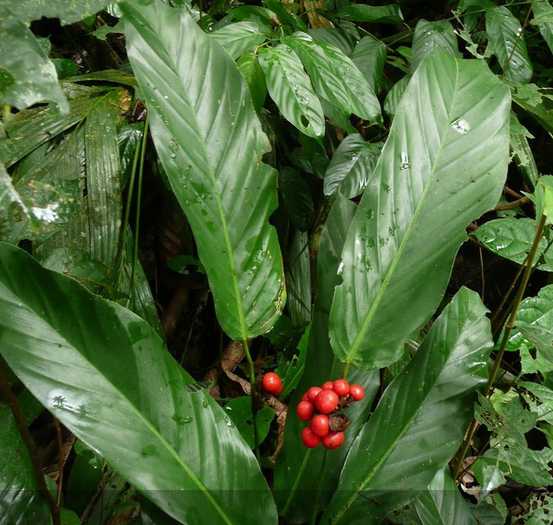
Key Facts
Category: Leaf
Botanical Name: Megaphrynium Macrostachyum
Common Name: Sweet Prayer Plant
Yoruba name: Ewe Igbodogi
Igbo Name: Nil
Hausa Name: Nil
Health Benefits
1. Treats Wounds and Skin Infections
The leaves are crushed and applied to cuts, burns, and skin infections to speed up healing and reduce inflammation.
2. Reduces Fever and Body Heat
Decoctions made from Ewe Igbodogi are taken to cool the body, reduce fever, and relieve heat rashes.
3. Relieves Body Pain and Swellings
Poultices from the leaves are used on swollen or painful areas to ease discomfort and reduce swelling.
4. Improves Stomach Health
Some Yoruba herbalists prepare mild herbal drinks from Igbodogi to calm stomach irritation and aid digestion.
5. Used in Food Preservation and Safe Wrapping
The antimicrobial property of the leaves helps preserve food naturally and prevent contamination when used for wrapping.
6. Soothes Rheumatic and Joint Pains
When warmed and tied to affected areas, the leaves relieve muscle and joint pains.
🌿Unluck Natural Healing with Your Backyard Plants!
Ever wondered what secrets your local leafs and plants have for lifelong health? Do you know what they can cure? Stop relying solely on pills which are chemicals!
With years of experience, we’ve compiled authentic knowledge into 3 masterclass e-books:
Spiritual Use
1. Cleansing Bad Luck and Negative Energy
Ewe Igbodogi is used in herbal baths to wash away spiritual blockages and bad luck.
2. Protection Against Evil Spirits
The leaves are sometimes kept in homes or used in charms for protection against witchcraft and spiritual attacks.
3. Peace and Harmony in the Home
Baths or sprinkling rituals with Igbodogi water are believed to restore peace and love within families.
4. Used in Ancestral and Traditional Rites
Because of its sacred nature, the leaf is used in Yoruba rituals for offerings, prayers, and communication with ancestors.
5. Fortification for Travelers and Hunters
Some herbalists prepare spiritual baths with Igbodogi for people who travel often or hunters to keep them safe from harm.
Characteristics
⦁ Physical Appearance –
Ewe Igbodogi has broad, green, glossy leaves with strong midribs, similar to banana leaves but thinner.
⦁ Taste and Smell –
Mild grassy taste; fresh, pleasant leafy smell when crushed.
⦁ Growth Pattern –
Commonly found in forests, riverbanks, and farmlands, thriving in moist soil.
⚡ Wait...Do You Really Know the True Secrets of the Orishas?
Why was Sango called Jakuta before he was crowned Oba Koso? What hidden power lies in Ogun Onire’s original pact? And why is Obatala worshipped as the Apex Deity?
Stop guessing! True Orisha wisdom goes far beyond surface-level stories. Check out the secrets behind Sango, Ogun, Obatala, Osun, Esu, and Oro with our comprehensive e-book series. Inside each structured guide, you'll discover:
🎁The Masterclass e-Books Available at token! Claim Your Copy Today
Functions
⦁ Traditional Medicine –
Wound healing, fever reduction, pain relief, and stomach treatment.
⦁ Food Wrapping –
Used to wrap and preserve traditional Yoruba foods.
⦁ Spiritual Cleansing and Protection –
Removes bad luck, offers protection, and restores peace.
Conclusion
Ewe Igbodogi, the Yoruba Sweet Prayer Plant (Megaphrynium macrostachyum), is more than just a food-wrapping leaf. It is a medicinal and spiritual powerhouse valued for its wound-healing, fever-reducing, and anti-inflammatory properties, as well as its ability to cleanse negative energy and protect against spiritual attacks.
CONNECT WITH US: