support@yorubalibrary.com
+2348073529208
Ewe Oro Abẹbẹ, known in English as Western Prickly Pear and botanically as Opuntia oribiculata, is a unique plant in Yoruba traditional medicine and spirituality.
In Yoruba herbal practice, this plant is valued for its cooling and anti-inflammatory properties, wound healing ability, and digestive health support. Spiritually, it is known for protection, removing negative energy, and rituals for good fortune. Because of its thorny nature, it is treated with repute and care during harvest and preparation.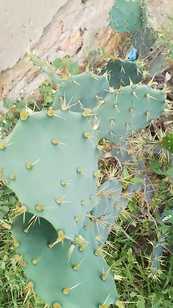
Key Facts
Category: Leaf
Botanical Name: Opuntia Oribiculata
Common Name: Western Prickly Pear
Yoruba name: Ewe Oro Abẹbẹ
Igbo Name: Nil
Hausa Name: Nil
Health Benefits
1. Reduces Inflammation and Body Heat
The gel inside Ewe Oro Abẹbẹ is applied to cool inflamed skin, reduce swelling, and ease body heat.
2. Heals Wounds and Burns
Its thick, soothing pulp is used to treat cuts, burns, and skin irritations, speeding up healing.
3. Helps in Detoxification
Decoctions from the fleshy pads are sometimes taken in mild doses to cleanse toxins from the digestive system.
4. Supports Digestive Health
The plant’s natural gel is used to ease stomach discomfort, constipation, and indigestion.
5. Boosts Immunity
When properly prepared, it helps strengthen the immune system and improve general wellness.
6. Helps in Managing Diabetes (Traditional Use)
Traditional herbalists sometimes use it to regulate blood sugar levels (though strictly under expert guidance).
🌿Unluck Natural Healing with Your Backyard Plants!
Ever wondered what secrets your local leafs and plants have for lifelong health? Do you know what they can cure? Stop relying solely on pills which are chemicals!
With years of experience, we’ve compiled authentic knowledge into 3 masterclass e-books:
Spiritual Use
1. Protection Against Evil Attacks
Because of its thorny nature, Ewe Oro Abẹbẹ is believed to repel witchcraft, evil spirits, and spiritual arrows.
2. Cleansing Negative Energy and Bad Luck
Baths and rituals prepared with this leaf are used to remove blockages, bad luck, and persistent misfortune.
3. Attracting Wealth and Favor
The plant is included in herbal rituals to open doors of prosperity, success, and divine favor.
4. Breaking Strong Curses and Binding Spells
Its powerful spiritual energy makes it suitable for breaking stubborn curses and reversing spiritual attacks.
5. Offerings to Deities for Protection
It is used in sacrificial rituals to certain Yoruba deities for protection, long life, and blessings.
Characteristics
⦁ Physical Appearance –
Ewe Oro Abẹbẹ has broad, flat, paddle-like green pads covered with small thorns and spines.
⦁ Taste and Smell –
The pulp has a mild, watery taste with a fresh herbal scent.
⦁ Growth Pattern –
Grows in dry, sunny areas, usually in sandy or rocky soil.
⚡ Wait...Do You Really Know the True Secrets of the Orishas?
Why was Sango called Jakuta before he was crowned Oba Koso? What hidden power lies in Ogun Onire’s original pact? And why is Obatala worshipped as the Apex Deity?
Stop guessing! True Orisha wisdom goes far beyond surface-level stories. Check out the secrets behind Sango, Ogun, Obatala, Osun, Esu, and Oro with our comprehensive e-book series. Inside each structured guide, you'll discover:
🎁The Masterclass e-Books Available at token! Claim Your Copy Today
Functions
⦁ Traditional Medicine –
Wound healing, cooling body heat, digestive health, and detoxification.
⦁ Spiritual Uses –
Protection, cleansing, curse-breaking, and wealth attraction.
⦁ Cultural Significance –
Respected as a powerful protective and cleansing plant in Yoruba spirituality.
Conclusion
Ewe Oro Abẹbẹ, the Yoruba Western Prickly Pear (Opuntia oribiculata), is a powerful medicinal and spiritual plant. It is used to heal wounds, reduce body heat, and support digestion, while spiritually, it is valued for protection against witchcraft, cleansing negative energy, and attracting blessings.
CONNECT WITH US: