support@yorubalibrary.com
+2348073529208
Ewe Owu, also called Ewe Ogodo in Yoruba, is the Cotton Plant, botanically known as Gossypium barbadense. In Yoruba tradition, this plant is highly known and potent for its medicinal and spiritual significance. The cotton fibers are commonly known for textile production, but the leaves, seeds, and roots of the plant have deep healing and mystical powers.
It is used in Yoruba herbal medicine for wound healing, fever reduction, and reproductive health, while spiritually, Ewe Owu is a powerful protective and cleansing plant, often used in rituals for purity, peace, and prosperity.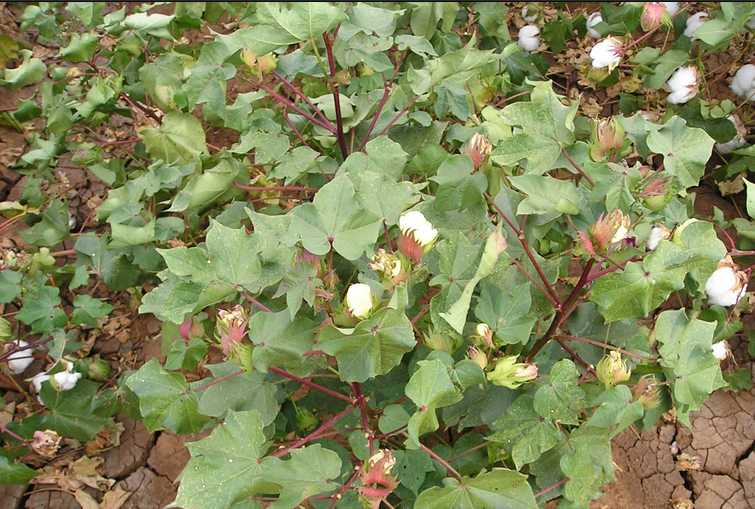
Key Facts
Category: Leaf
Botanical Name: Gossypium Barbadense
Common Name: Cotton Plant
Yoruba name: Ewe Owu or Ewe Ogodo
Igbo Name: Nil
Hausa Name: Nil
Health Benefits
1. Heals Wounds and Skin Infections
The fresh leaves are crushed and applied to cuts, boils, and sores to speed up healing and prevent infections.
2. Reduces Fever and Body Heat
Herbal decoctions from the leaves help lower high fever and cool excessive body heat.
3. Relieves Menstrual Pain and Regulates Menstruation
Cotton plant leaves and roots are traditionally used to ease menstrual cramps and regulate irregular menstruation.
4. Boosts Fertility and Supports Women’s Reproductive Health
Some Yoruba herbalists use controlled preparations to support fertility and strengthen the womb.
5. Aids Postpartum Recovery
Ewe Owu baths are used to restore strength, cleanse the body, and promote quick recovery after childbirth.
6. Relieves Stomach Discomfort and Constipation
Mild decoctions are sometimes used to ease stomach pains and improve digestion.
🌿Unluck Natural Healing with Your Backyard Plants!
Ever wondered what secrets your local leafs and plants have for lifelong health? Do you know what they can cure? Stop relying solely on pills which are chemicals!
With years of experience, we’ve compiled authentic knowledge into 3 masterclass e-books:
Spiritual Use
1. Cleansing and Purification
Ewe Owu is one of the most respected leaves for spiritual baths that remove bad luck, evil eyes, and negative energy.
2. Protection Against Witchcraft and Evil Spirits
The leaf and cotton fibers are used in protective rituals to ward off spiritual attacks and repel witchcraft arrows.
3. Peace and Family Harmony
Sprinkling Ewe Owu water in the home is believed to restore peace, love, and unity among family members.
4. Rituals for Prosperity and Blessings
The cotton plant, symbolizing purity and abundance, is used in wealth and success rituals to open doors of prosperity.
5. Sacrifices and Orisa Worship
Ewe Owu is offered in Yoruba rituals and orisa worship as a sacred plant for healing, protection, and blessings.
Characteristics
⦁ Physical Appearance –
Ewe Owu has broad green leaves, with white cotton bolls enclosed in a protective capsule when mature.
⦁ Taste and Smell –
Slightly bitter herbal taste, with a fresh, leafy aroma.
⦁ Growth Pattern –
Cultivated in farmlands and home gardens, thriving in tropical climates.
⚡ Wait...Do You Really Know the True Secrets of the Orishas?
Why was Sango called Jakuta before he was crowned Oba Koso? What hidden power lies in Ogun Onire’s original pact? And why is Obatala worshipped as the Apex Deity?
Stop guessing! True Orisha wisdom goes far beyond surface-level stories. Check out the secrets behind Sango, Ogun, Obatala, Osun, Esu, and Oro with our comprehensive e-book series. Inside each structured guide, you'll discover:
🎁The Masterclass e-Books Available at token! Claim Your Copy Today
Functions
⦁ Traditional Medicine –
Wound healing, reproductive health, fever reduction, and postpartum recovery.
⦁ Spiritual Uses –
Cleansing, protection, prosperity rituals, and peace restoration.
⦁ Cultural Significance –
Cotton is associated with purity, abundance, and spiritual protection in Yoruba beliefs.
Conclusion
Ewe Owu, also called Ewe Ogodo (Cotton Plant – Gossypium barbadense), is a powerful medicinal and spiritual plant in Yoruba tradition.
CONNECT WITH US: