support@yorubalibrary.com
+2348073529208
Ewe Sawerepepe, also called Ewe Ata Omode in Yoruba, is known in English as the Toothache Plant and botanically as Spilanthes filicaulis. This powerful herb is widely used in Yoruba traditional medicine for its pain-relieving, anti-inflammatory, and antimicrobial properties.
The name “Ata Omode” means “children’s pepper” due to its slightly peppery taste when chewed. It is highly regarded for treating toothache, fever, and infections, while spiritually, it is used for protection, cleansing, and favor-attracting rituals.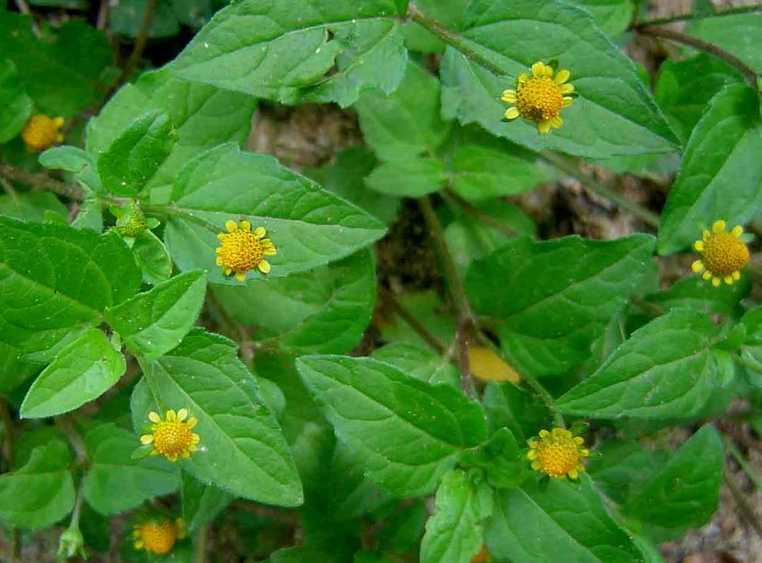
Key Facts
Category: Leaf
Botanical Name: Spilanthes Filicaulis
Common Name: Spilanthes Or Toothache Plant
Yoruba name: Ewe Sawerepepe or Ewe Ata Omode
Igbo Name: Nil
Hausa Name: Nil
Health Benefits
1. Relieves Toothache and Oral Infections
Chewing fresh Ewe Sawerepepe or applying its juice to the affected tooth numbs the pain and kills harmful bacteria.
2. Treats Fever and Malaria Symptoms
Herbal decoctions are used to reduce fever and relieve malaria-related body aches.
3. Boosts the Immune System
The plant is rich in medicinal compounds that strengthen the body’s defense against infections.
4. Reduces Inflammation and Joint Pains
The leaf is prepared as a poultice or taken as tea to relieve swollen joints, rheumatism, and arthritis pains.
5. Heals Skin Infections and Wounds
The crushed leaf is applied to treat boils, sores, and skin rashes, speeding up healing.
6. Improves Digestion
Mild herbal preparations help relieve stomach cramps and indigestion.
🌿Unluck Natural Healing with Your Backyard Plants!
Ever wondered what secrets your local leafs and plants have for lifelong health? Do you know what they can cure? Stop relying solely on pills which are chemicals!
With years of experience, we’ve compiled authentic knowledge into 3 masterclass e-books:
Spiritual Use
1. Protection Against Witchcraft and Evil Eyes
Ewe Sawerepepe baths are believed to repel spiritual attacks and block evil manipulations.
2. Cleansing Negative Energy and Bad Luck
It is used in spiritual baths to remove blockages, bad luck, and persistent misfortune.
3. Attracting Favor and Good Fortune
The leaf is combined with other prosperity herbs in Yoruba rituals to open doors of wealth, favor, and blessings.
4. Breaking Curses and Spiritual Blockages
Because of its strong energy, it is used by herbalists for cleansing stubborn curses and opening spiritual pathways.
5. Offerings to Orisa for Healing and Protection
Ewe Sawerepepe is used in certain orisa and ancestral rituals for healing, peace, and divine protection.
Characteristics
⦁ Physical Appearance –
Ewe Sawerepepe has small, oval green leaves with yellowish flowers that have a distinct round, button-like head.
⦁ Taste and Smell –
Slightly peppery and tingling taste, with a mild herbal aroma.
⦁ Growth Pattern –
Grows naturally in farmlands, bush paths, and moist tropical areas.
⚡ Wait...Do You Really Know the True Secrets of the Orishas?
Why was Sango called Jakuta before he was crowned Oba Koso? What hidden power lies in Ogun Onire’s original pact? And why is Obatala worshipped as the Apex Deity?
Stop guessing! True Orisha wisdom goes far beyond surface-level stories. Check out the secrets behind Sango, Ogun, Obatala, Osun, Esu, and Oro with our comprehensive e-book series. Inside each structured guide, you'll discover:
🎁The Masterclass e-Books Available at token! Claim Your Copy Today
Functions
⦁ Traditional Medicine –
Toothache relief, fever treatment, immune boosting, and skin healing.
⦁ Spiritual Uses –
Protection, cleansing, favor attraction, and curse-breaking.
⦁ Cultural Significance –
Known as a powerful healing and protective herb in Yoruba tradition.
Conclusion
Ewe Sawerepepe, also called Ewe Ata Omode (Toothache Plant – Spilanthes filicaulis), is a well-known Yoruba medicinal herb for toothache relief, fever reduction, and skin healing. Spiritually, it is valued for protection, cleansing bad luck, and attracting favor and blessings.
CONNECT WITH US: