support@yorubalibrary.com
+2348073529208
This leave is very potent for Yoruba incantation. Elders often make a statement that: "Ase Ina ni ina fi n jo, ase oorun ni oorun fi n ran, Abamoda kii da tire ko ma se". The word "Abamoda" in this context is referring to this leaf exactly.
Ewe Abamoda is a well-known medicinal plant used across Yoruba land for treating a wide range of ailments. Recognized for its ability to treat infections, reduce inflammation, and support wound healing, this leaf is a trusted remedy in traditional Yoruba medicine. Abamoda is often found in home gardens, herbal markets, and forest areas, and is used fresh or prepared into herbal mixtures. It is especially valued for its role in treating spiritual and physical conditions, including fever, ulcers, coughs, and convulsions.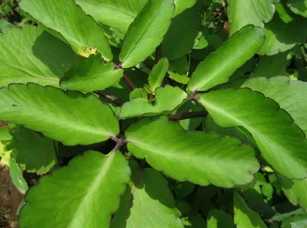
This post explains everything you need to know about Abamoda — from its native names to its healing power — so that both herbal enthusiasts and natural health seekers can understand its relevance and apply its benefits correctly.
Key Facts
Category: Leaf
Botanical Name: Bryophyllum pinnatum
Common Name: Life Plant / Miracle Leaf / Air Plant
Yoruba name: Ewe Abamoda
Igbo Name: Nil
Hausa Name: Nil
Characteristics of Abamoda Leaf
• Appearance:
The leaves are thick, fleshy, and green with scalloped edges. They can grow new baby plants (plantlets) along the leaf edges, which makes the plant reproduce easily.
• Growth:
It is a fast-growing succulent plant, often found in tropical areas. It grows in bushes or gardens and doesn’t require much attention.
• Smell:
Mild, fresh scent when crushed.
• Texture:
Smooth, soft, and succulent, storing a lot of water in its leaves.
Traditional and Medicinal Uses in Yoruba Land
1. Treatment of Wounds and Burns
Fresh Abamoda leaves are crushed and applied to open wounds, cuts, or burns to promote fast healing. It helps stop bleeding and prevents infections.
2. Cough and Chest Problems
The leaf is boiled and taken as tea to relieve cough, bronchitis, chest congestion, and asthma-like symptoms.
3. Ulcer Treatment
Abamoda juice is used for treating internal ulcers and stomach pain. It soothes inflammation and supports gut healing.
🌿Unluck Natural Healing with Your Backyard Plants!
Ever wondered what secrets your local leafs and plants have for lifelong health? Do you know what they can cure? Stop relying solely on pills which are chemicals!
With years of experience, we’ve compiled authentic knowledge into 3 masterclass e-books:
4. Convulsions in Children (Gìrì)
Yoruba herbalists use it to reduce convulsions by squeezing the juice into the child’s nostrils or giving a small dose orally, under strict traditional guidelines.
5. Fever and Malaria
Combined with other leaves like ewe akoko, ewe efinrin, and ewe bomubomu, it is used in steam therapy or taken as decoction to treat fever and malaria.
6. Toothache Relief
Warm Abamoda juice is applied directly to the affected tooth or gum to reduce pain and fight infection.
7. Kidney Stones and Urinary Issues
The leaf is known for helping dissolve kidney stones when the juice is taken regularly in small quantities.
Healing Properties of Abamoda Leaf
• Anti-inflammatory – reduces swelling and redness
• Antibacterial & Antiviral – fights infections in the body
• Antiseptic – cleans wounds and prevents microbial growth
• Diuretic – promotes urination, helping cleanse the kidneys
• Analgesic – reduces pain naturally
• Immuno-boosting – supports the body’s natural healing process
⚡ Wait...Do You Really Know the True Secrets of the Orishas?
Why was Sango called Jakuta before he was crowned Oba Koso? What hidden power lies in Ogun Onire’s original pact? And why is Obatala worshipped as the Apex Deity?
Stop guessing! True Orisha wisdom goes far beyond surface-level stories. Check out the secrets behind Sango, Ogun, Obatala, Osun, Esu, and Oro with our comprehensive e-book series. Inside each structured guide, you'll discover:
🎁The Masterclass e-Books Available at token! Claim Your Copy Today
Conclusion
Ewe Abamoda (Bryophyllum pinnatum) is a vital herb in Yoruba traditional medicine, valued for its wide range of healing properties and practical uses. From wound healing to respiratory relief and kidney support, this leaf offers natural solutions that have stood the test of time.
Its ease of growth and accessibility make it a popular choice for both home remedies and professional herbalists. Understanding and utilizing Ewe Abamoda can provide effective, natural care for many common ailments, preserving an important part of Yoruba herbal heritage.
CONNECT WITH US: