support@yorubalibrary.com
+2348073529208
Ewe patonmo (Also called Ewe Padimo) is very popular and common in different areas of Yoruba Land. It is a small but spiritually powerful plant known scientifically as Biophytum apodiscias. Despite its humble size, this plant carries pure symbolic and healing characteristics and properties.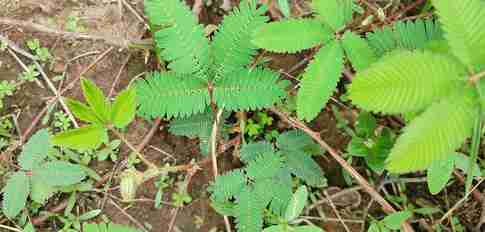
The name “Ewe Patonmo” in Yoruba comes from the plant's unique characteristic of closing its leaves when touched or disturbed, symbolizing sensitivity, secrecy, and defense. It is often used in rituals, protective charms, and medicine for strengthening inner resilience. Traditional healers consider it sacred and powerful, especially in protective mixtures for children, pregnant women, and those facing spiritual affliction.
Key Facts
Category: Leaf
Botanical Name: Biophytum apodiscias
Common Name: Little Tree Plant / Sensitive Plant
Yoruba name: Ewe Patonmo or Ewe Padimo
Igbo Name: Nil
Hausa Name: Nil
Characteristics of Ewe Patonmo
• Plant Type: Small, erect herb that resembles a miniature palm tree.
• Leaves: Compound leaves arranged like an umbrella that fold up quickly when touched or at night.
• Flowers: Tiny, yellow or pinkish blooms; grows from a central rosette.
• Roots: Shallow but fibrous and powerful in herbal use.
• Habitat: Found in moist soils, farmlands, and under shade in forests and home gardens.
Traditional Uses in Yoruba Medicine
1. Spiritual Protection and Defense
Ewe Patonmo is cherished for its protective energy. It is used in rituals and herbal baths to ward off witchcraft, evil eyes (oju burúkú), and spiritual attacks.
2. Fertility and Reproductive Strength
Mixtures made from the root and leaf are given to women facing difficulties in conception. It is also part of agbo used to strengthen the womb.
3. Fevers and Malaria
The leaf is boiled into a tea to reduce high fevers, relieve symptoms of malaria, and boost the immune system.
4. Children’s Herbal Protection
Leaves are used in herbal body rubs and baths for infants and toddlers to prevent frequent crying, spiritual fright, and nighttime disturbances.
5. Strengthening Personal Aura and Charisma
Used by traditionalists and spiritualists to increase inner power, boost presence, and attract positive energy during spiritual assignments or confrontations.
🌿Unluck Natural Healing with Your Backyard Plants!
Ever wondered what secrets your local leafs and plants have for lifelong health? Do you know what they can cure? Stop relying solely on pills which are chemicals!
With years of experience, we’ve compiled authentic knowledge into 3 masterclass e-books:
Healing Properties of Ewe Patonmo
• Anti-pyretic: Reduces fever and body temperature.
• Immunostimulant: Enhances the body’s natural defense system.
• Fertility Booster: Supports reproductive organs and strengthens ovulation in women.
• Spiritual Fortifier: Builds up emotional resilience and spiritual protection.
• Calming Agent: Soothes restlessness in children and adults experiencing spiritual unease.
Functions in Yoruba Traditional Medicine
• Added to omi-ero (spiritual water) for cleansing and fortification.
• Used in ọṣẹ dúdú (black soap) preparation for protection and aura cleansing.
• Included in charms for those under spiritual attack or facing fear.
⚡ Wait...Do You Really Know the True Secrets of the Orishas?
Why was Sango called Jakuta before he was crowned Oba Koso? What hidden power lies in Ogun Onire’s original pact? And why is Obatala worshipped as the Apex Deity?
Stop guessing! True Orisha wisdom goes far beyond surface-level stories. Check out the secrets behind Sango, Ogun, Obatala, Osun, Esu, and Oro with our comprehensive e-book series. Inside each structured guide, you'll discover:
🎁The Masterclass e-Books Available at token! Claim Your Copy Today
• Ground with other herbs to treat “spiritual fever” (iba èmi) that doesn’t respond to conventional remedies.
• Used in fertility baths and herbal steaming for women with reproductive issues.
Conclusion
Ewe Patonmo (Biophytum apodiscias) may appear small and delicate, but its spiritual strength and medicinal value are of great importance in Yoruba tradition.
CONNECT WITH US: