support@yorubalibrary.com
+2348073529208
One Yoruba proverb says "Esuru se aseju, o te lo'owo oniyan". This proverb shows Esuru yam has one unique characteristics among all yams: one cannot use it to pound yam.
Ewe Esuru, botanically known as Dioscorea dumetorum, is the leaf of the well-known bitter yam in Yoruba land. Unlike other yam varieties, the tuber of Esuru is slightly bitter or sour, but it is highly potent for its medicinal and nutritional properties.
Traditional healers use both the leaf and the yam for treating diabetes, improving digestion, boosting fertility, and cleansing the blood. Spiritually, Ewe Esuru is seen as a powerful cleansing and protective plant, symbolizing purification and defense against spiritual attacks.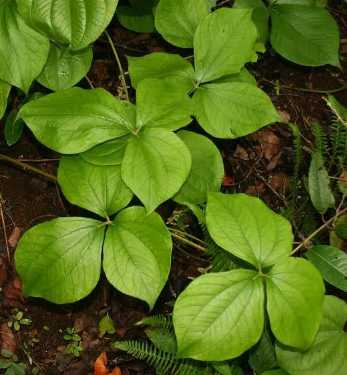
Key Facts
Category: Leaf
Botanical Name: Dioscorea Dumetorum
Common Name: Nil
Yoruba name: Esuru
Igbo Name: Nil
Hausa Name: Nil
Health Benefits
1. Regulates Blood Sugar and Manages Diabetes
The yam and leaf are used in herbal preparations to lower high blood sugar levels and improve insulin regulation.
2. Improves Digestion and Treats Constipation
Rich in fiber, it aids bowel movement, prevents constipation, and supports gut health.
3. Cleanses the Blood and Supports Detoxification
Ewe Esuru is traditionally taken in decoctions to flush toxins from the bloodstream and improve overall health.
4. Boosts Fertility and Reproductive Health
The leaf is used in Yoruba herbal medicine to balance reproductive hormones and increase chances of conception.
5. Strengthens Bones and Improves Joint Health
Its yam is rich in calcium and phosphorus, which supports strong bones and eases arthritis symptoms.
6. Controls High Blood Pressure and Improves Heart Health
The potassium content in Esuru helps regulate blood pressure and reduces the risk of heart-related issues.
7. Relieves Body Pain and Inflammation
The leaf is boiled and taken to reduce rheumatic pains, swollen joints, and inflammatory conditions.
8. Improves Postpartum Recovery
Nursing mothers take Esuru-based herbal soups to regain strength after childbirth.
🌿Unluck Natural Healing with Your Backyard Plants!
Ever wondered what secrets your local leafs and plants have for lifelong health? Do you know what they can cure? Stop relying solely on pills which are chemicals!
With years of experience, we’ve compiled authentic knowledge into 3 masterclass e-books:
Spiritual Use
1. Cleansing Bad Luck and Negative Energy
Ewe Esuru is used in spiritual baths to wash away bad luck and restore peace and progress.
2. Protection Against Witchcraft and Evil Forces
The leaf is placed in herbal charms or baths to block spiritual attacks and repel evil forces.
3. Breaking Evil Charms and Curses
Combined with other potent herbs, it is used to neutralize harmful charms and reverse curses.
4. Attracting Good Fortune and Fertility Blessings
Some rituals use it to invoke fruitfulness and attract financial or fertility blessings.
5. Rituals for Spiritual Purification
It is sometimes used in Yoruba traditional rites to purify the body and soul before major spiritual ceremonies.
Characteristics
⦁ Physical Appearance –
Ewe Esuru has broad, heart-shaped green leaves with pointed tips, growing on climbing yam vines.
⦁ Taste and Smell –
The yam is slightly bitter or sour, while the leaf has a mild herbal scent.
⦁ Growth Pattern –
Grows naturally in farmlands, bush paths, and cultivated yam farms.
⚡ Wait...Do You Really Know the True Secrets of the Orishas?
Why was Sango called Jakuta before he was crowned Oba Koso? What hidden power lies in Ogun Onire’s original pact? And why is Obatala worshipped as the Apex Deity?
Stop guessing! True Orisha wisdom goes far beyond surface-level stories. Check out the secrets behind Sango, Ogun, Obatala, Osun, Esu, and Oro with our comprehensive e-book series. Inside each structured guide, you'll discover:
🎁The Masterclass e-Books Available at token! Claim Your Copy Today
Functions
⦁ Traditional Medicine –
Diabetes management, fertility boosting, blood cleansing, and bone strengthening.
⦁ Spiritual Uses –
Cleansing, protection, curse-breaking, and fertility rituals.
⦁ Cultural Significance –
Popular for its dual role in both healing and spiritual purification.
Conclusion
Ewe Esuru (Dioscorea dumetorum – Bitter Yam) is a Yoruba medicinal and spiritual plant used for regulating blood sugar, cleansing the blood, boosting fertility, and relieving body pain.
CONNECT WITH US: