support@yorubalibrary.com
+2348073529208
Ewe Ogede Odo, botanically known as Crinum jagus and commonly called St. Christopher Lily, is a treasured Yoruba medicinal and spiritual plant. Its bulb, leaves, and sap are widely used in traditional medicine for treating inflammatory conditions, relieving pain, and controlling infections.
In Yoruba spirituality, Ewe Ogede Odo is considered a powerful protective and cleansing herb, used in rituals to break evil charms, repel witchcraft, and attract divine favor. Its resilience and striking appearance symbolize strength, healing, and spiritual defense.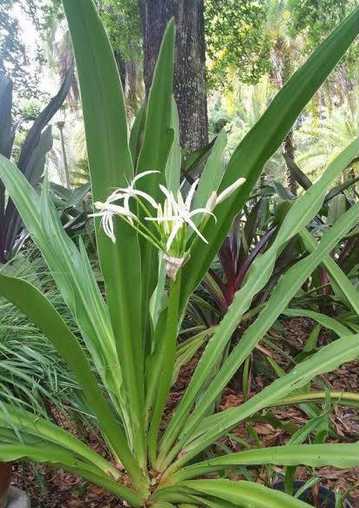
Key Facts
Category: Leaf/Bulb/Root
Botanical Name: Crinum Jagus
Common Name: St. Christopher Lily
Yoruba name: Ewe Ogede Odo
Igbo Name: Nil
Hausa Name: Nil
Health Benefits
1. Relieves Rheumatism and Joint Pain
Poultices made from Ewe Ogede Odo are applied to painful and swollen joints to ease arthritis and rheumatism.
2. Treats Skin Diseases and Infections
The sap or crushed leaves are applied to boils, ulcers, and other skin infections for faster healing.
3. Reduces Swelling and Inflammation
Its anti-inflammatory properties help soothe internal and external body swellings.
4. Eases Respiratory Problems
The plant is used in herbal mixtures for treating chest congestion, cough, and other respiratory discomforts.
5. Controls Fever and Malaria Symptoms
Decoctions from the leaves are taken to reduce fever and strengthen the body during malaria recovery.
6. Promotes Wound Healing
The sap is applied to cuts and fresh wounds to speed up recovery and prevent infections.
7. Improves Women’s Reproductive Health
Traditional healers sometimes use it to support fertility and regulate menstrual flow.
🌿Unluck Natural Healing with Your Backyard Plants!
Ever wondered what secrets your local leafs and plants have for lifelong health? Do you know what they can cure? Stop relying solely on pills which are chemicals!
With years of experience, we’ve compiled authentic knowledge into 3 masterclass e-books:
Spiritual Use
1. Protection Against Witchcraft and Evil Forces
Ewe Ogede Odo is used in herbal baths or tied at entrances to ward off spiritual attacks and repel witchcraft.
2. Breaking Evil Charms and Curses
It is a strong component in Yoruba herbal preparations for neutralizing harmful charms and reversing curses.
3. Cleansing Negative Energy and Restoring Peace
Herbal baths made with this plant remove bad luck and restore peace and harmony in homes.
4. Attracting Good Fortune and Divine Favor
Combined with other herbs, Ewe Ogede Odo is used in rituals to draw blessings, success, and divine favor.
5. Ritual Use in Orisa and Ancestral Offerings
It is sometimes included in offerings to orisa and ancestors for protection, healing, and strength.
Characteristics
⦁ Physical Appearance –
Ewe Ogede Odo has long, strap-like green leaves and large white fragrant flowers, typical of lily species. Its bulb is thick and fleshy.
⦁ Taste and Smell –
Slightly bitter with a strong herbal scent.
⦁ Growth Pattern –
Grows in moist, swampy areas and along riverbanks, common in traditional herbal gardens.
⚡ Wait...Do You Really Know the True Secrets of the Orishas?
Why was Sango called Jakuta before he was crowned Oba Koso? What hidden power lies in Ogun Onire’s original pact? And why is Obatala worshipped as the Apex Deity?
Stop guessing! True Orisha wisdom goes far beyond surface-level stories. Check out the secrets behind Sango, Ogun, Obatala, Osun, Esu, and Oro with our comprehensive e-book series. Inside each structured guide, you'll discover:
🎁The Masterclass e-Books Available at token! Claim Your Copy Today
Functions
⦁ Traditional Medicine –
Rheumatism relief, wound healing, respiratory support, and infection control.
⦁ Spiritual Uses –
Protection, curse-breaking, cleansing bad luck, and attracting blessings.
⦁ Cultural Significance –
Respected in Yoruba herbal practices for its healing power and strong spiritual defense.
Conclusion
Ewe Ogede Odo (Crinum jagus – St. Christopher Lily) is a Yoruba medicinal and spiritual plant used for relieving joint pain, treating skin infections, healing wounds, and controlling fever.
CONNECT WITH US: