support@yorubalibrary.com
+2348073529208
Ewe Ẹru, also called Ẹeru or Ẹrinje in different Yoruba dialects, is a highly valued spice and medicinal plant in Yoruba culture. Its English name is Negro Pepper, and its botanical name is Xylopia aethiopica.
This spice is well-known for its aromatic flavor, making it a key ingredient in traditional Yoruba soups, especially for women after childbirth. Beyond its culinary use, Ẹru is widely respected in Yoruba herbal medicine for its warming, cleansing, and strengthening properties, and it also holds spiritual significance for protection and fertility rituals.
The plant produces long, dried pod-like fruits with a strong, pleasant aroma.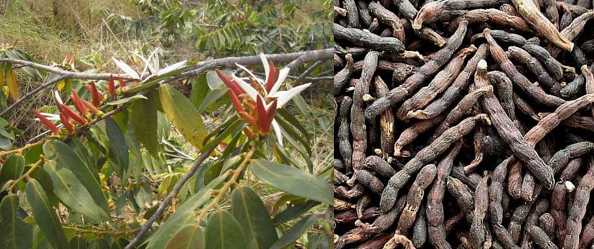
Key Facts
Category: Leaf
Botanical Name: Xylopia Aethiopica
Common Name: Negro Pepper
Yoruba name: Eru/Eeru or Ẹrinje
Igbo Name: Nil
Hausa Name: Nil
Health Benefits
1. Restores Strength After Childbirth
Ewe Ẹru (Xylopia aethiopica) is one of the most important spices in Yoruba postpartum care, helping women regain strength and heal internally after childbirth.
2. Boosts Fertility and Reproductive Health
Yoruba herbalists mix Ẹru in herbal drinks to improve fertility in women and strengthen reproductive organs.
3. Improves Digestion and Cleanses the Stomach
The spice aids digestion, prevents bloating, and helps cleanse the stomach of harmful substances.
4. Warms the Body and Improves Blood Circulation
Its warming effect boosts blood flow and is helpful for people with cold body temperature or poor circulation.
5. Fights Infections and Strengthens Immunity
Eru has antibacterial and antifungal properties, making it useful in treating mild infections and boosting immunity.
6. Relieves Menstrual Pain
Herbal teas made with Ẹru help reduce menstrual cramps and regulate menstrual flow.
7. Treats Cough and Respiratory Problems
Some Yoruba herbalists use Eru in herbal mixtures to relieve cough and clear chest congestion.
🌿Unluck Natural Healing with Your Backyard Plants!
Ever wondered what secrets your local leafs and plants have for lifelong health? Do you know what they can cure? Stop relying solely on pills which are chemicals!
With years of experience, we’ve compiled authentic knowledge into 3 masterclass e-books:
Spiritual Use
1. Protection Against Evil Spirits and Witchcraft
Ewe Ẹru is sometimes burnt as incense or kept in homes to ward off evil spirits and witchcraft attacks.
2. Attracting Fertility and Safe Childbirth
Pregnant women are sometimes given spiritually prepared herbal drinks with Ẹru to ensure safe delivery.
3. Cleansing Bad Luck and Negative Energy
It is occasionally added to cleansing baths or incense to remove bad luck and negative energy.
4. Restoring Peace and Harmony
Yoruba elders believe that burning Eru with other sacred herbs brings peace to troubled homes.
5. Spiritual Fortification for Women After Childbirth
Some traditionalists include Ẹru in herbal baths and soups for postpartum women to protect them from spiritual attacks.
Characteristics
⦁ Physical Appearance –
Eru pods are long, thin, and brownish-black when dried, with tiny aromatic seeds inside.
⦁ Taste and Smell –
Strong aromatic smell with a slightly bitter and spicy taste.
⦁ Growth Pattern –
Comes from a tall tree commonly found in tropical forests across West Africa.
⚡ Wait...Do You Really Know the True Secrets of the Orishas?
Why was Sango called Jakuta before he was crowned Oba Koso? What hidden power lies in Ogun Onire’s original pact? And why is Obatala worshipped as the Apex Deity?
Stop guessing! True Orisha wisdom goes far beyond surface-level stories. Check out the secrets behind Sango, Ogun, Obatala, Osun, Esu, and Oro with our comprehensive e-book series. Inside each structured guide, you'll discover:
🎁The Masterclass e-Books Available at token! Claim Your Copy Today
Functions
⦁ Culinary Use –
A key spice in Yoruba soups, especially postpartum meals.
⦁ Traditional Medicine –
Used for fertility, postpartum care, menstrual pain, and cough relief.
⦁ Spiritual Cleansing –
Protection, fertility rituals, and bad luck removal.
Conclusion
Ewe Ẹru, also called Ẹeru or Ẹrinje (Negro Pepper – Xylopia aethiopica), is both a spice and a powerful medicinal plant in Yoruba land. Its warming, fertility-boosting, and postpartum healing properties, combined with its spiritual protective power, make it an indispensable herb in Yoruba traditional medicine and culture.
CONNECT WITH US: