support@yorubalibrary.com
+2348073529208
One Yoruba proverb says "Ko si bi a o ti se Ebolo ti ko ni run 'gbe". The proverb alone depict that Ebolo is a type of vegetable with a unique aroma and taste. This vegetable stands out amongst its counterpart.
Eburẹ, also called Efo Ebolo in many Yoruba communities, is an edible and medicinal leafy vegetable highly cherished in Yoruba land. Its English name is Yoruban Bologi, and its botanical name is Crassocephalum rubens.
The leaf is mostly used as a vegetable in soups and sauces, valued for its rich nutritional content. In traditional medicine, it is known for blood cleansing, fertility improvement, and boosting general health. Spiritually, Efo Ebolo is sometimes used in mild cleansing rituals to attract peace and good fortune.
Ewe Eburẹ grows widely in farms, gardens, and around homes, with its soft green leaves and slightly slimy texture when cooked.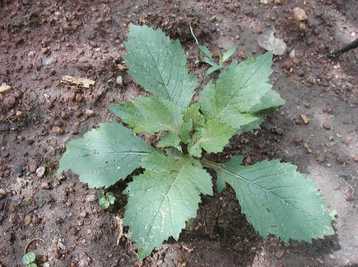
Key Facts
Category: Leaf
Botanical Name: Crassocephalum Rubens
Common Name: Yoruban Bologi
Yoruba name: Ewe Eburẹ or Efo Ebolo
Igbo Name: Nil
Hausa Name: Nil
Health Benefits
1. Boosts Blood Production and Prevents Anemia
Efo Ebolo (Crassocephalum rubens) is rich in iron and helps increase blood levels, making it ideal for people recovering from illness or blood loss.
2. Restores Strength After Childbirth and Illness
Yoruba women cook Efo Ebolo soup after childbirth to help regain strength and boost overall body wellness.
3. Improves Fertility and Reproductive Health
This vegetable is commonly added to herbal soups to enhance fertility and strengthen reproductive organs.
4. Enhances Breast Milk Flow
Nursing mothers eat Ebolo-rich soups to improve breast milk production naturally.
5. Cleanses the Stomach and Aids Digestion
Ebolo contains natural fiber that supports digestion, cleanses the stomach, and prevents constipation.
6. Boosts Immunity and Prevents Infections
Rich in vitamins and minerals, Ebolo strengthens the immune system and protects against infections.
7. Good for Eye and Skin Health
Its vitamin A and C content promote healthy eyesight and glowing skin.
🌿Unluck Natural Healing with Your Backyard Plants!
Ever wondered what secrets your local leafs and plants have for lifelong health? Do you know what they can cure? Stop relying solely on pills which are chemicals!
With years of experience, we’ve compiled authentic knowledge into 3 masterclass e-books:
Spiritual Use
1. Cleansing Bad Luck and Attracting Good Fortune
Ewe Eburẹ is sometimes used in cleansing baths or herbal mixtures to remove bad luck and open doors to success.
2. Restoring Peace and Love in the Home
Some Yoruba herbalists use Ebolo in mild rituals to bring harmony and love within families.
3. Healing Spiritually Caused Weakness
Herbal baths with Ebolo are occasionally recommended for people suffering from unexplained weakness believed to be spiritual.
4. Attracting Fertility and Fruitfulness
Ewe Eburẹ is used in some traditional fertility rites to bless women seeking conception.
Characteristics
⦁ Physical Appearance –
Ewe Eburẹ has soft, broad green leaves with slightly reddish stems when mature.
⦁ Taste and Smell –
Slightly bitter when raw but has a pleasant herbal taste when cooked; mild earthy smell.
⦁ Growth Pattern –
Commonly grown in gardens, farmlands, and around homes, thriving during rainy seasons.
⚡ Wait...Do You Really Know the True Secrets of the Orishas?
Why was Sango called Jakuta before he was crowned Oba Koso? What hidden power lies in Ogun Onire’s original pact? And why is Obatala worshipped as the Apex Deity?
Stop guessing! True Orisha wisdom goes far beyond surface-level stories. Check out the secrets behind Sango, Ogun, Obatala, Osun, Esu, and Oro with our comprehensive e-book series. Inside each structured guide, you'll discover:
🎁The Masterclass e-Books Available at token! Claim Your Copy Today
Functions
⦁ Culinary Use –
Cooked in soups, sauces, and medicinal herbal foods.
⦁ Traditional Medicine –
Used for blood building, fertility, and recovery after childbirth.
⦁ Spiritual Cleansing –
Removes bad luck, attracts peace, and improves fertility.
Conclusion
Efo Eburẹ, also called Efo Ebolo (Yoruban Bologi – Crassocephalum rubens), is a highly nutritious and medicinal Yoruba vegetable.
CONNECT WITH US: