support@yorubalibrary.com
+2348073529208
Ewe Bara, known in English as Melon Leaf and botanically as Citrullus lanatus, is an important edible and medicinal plant in Yoruba land. It comes from the melon plant used for producing the popular Yoruba soup ingredient "egusi."
Apart from its use in cooking, Ewe Bara is very potent in Yoruba herbal medicine for its ability to boost blood production, cleanse the system, and restore strength. The leaf is also used in spiritual cleansing rituals in some Yoruba traditions.
Ewe Bara grows widely in farms and home gardens, spreading over the ground with its broad green leaves.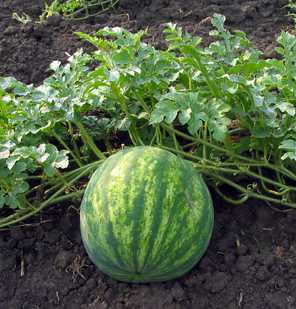
Key Facts
Category: Leaf/Bulb
Botanical Name: Citrullus Lanatus
Common Name: Melon
Yoruba name: Ewe Bara
Igbo Name: Nil
Hausa Name: Nil
Health Benefits
1. Boosts Blood Production and Prevents Anemia
Ewe Bara (Citrullus lanatus) is rich in iron and essential minerals that improve blood production and prevent weakness caused by anemia.
2. Restores Strength After Childbirth and Illness
Yoruba women take herbal soups made with melon leaves after childbirth or sickness to regain strength and energy.
3. Improves Lactation in Nursing Mothers
Melon leaf soup is commonly recommended for nursing mothers to boost breast milk flow naturally.
4. Promotes Healthy Digestion
Ewe Bara contains fiber that improves digestion, prevents constipation, and cleanses the stomach.
5. Boosts Immunity and General Wellness
Regular consumption of melon leaf soup strengthens the immune system and keeps the body healthy.
6. Reduces Body Heat and Fever
Some Yoruba herbalists prepare mild herbal drinks with Bara leaves to cool the body and reduce mild fever.
7. Good for Eye and Skin Health
Its rich vitamin content helps maintain healthy eyes and glowing skin.
🌿Unluck Natural Healing with Your Backyard Plants!
Ever wondered what secrets your local leafs and plants have for lifelong health? Do you know what they can cure? Stop relying solely on pills which are chemicals!
With years of experience, we’ve compiled authentic knowledge into 3 masterclass e-books:
Spiritual Use
1. Cleansing Bad Luck and Negative Energy
Ewe Bara is sometimes soaked in water and used for ritual baths to remove bad luck and attract good fortune.
2. Attracting Prosperity and Fertility
Some Yoruba traditionalists include melon leaves in herbal mixtures for rituals aimed at increasing fertility and attracting prosperity.
3. Healing Spiritually Related Illnesses
In certain herbal practices, Ewe Bara is added to cleansing baths for illnesses believed to be caused by spiritual attacks.
4. Restoring Peace and Love in the Home
Some traditional healers use Ewe Bara in mild spiritual works to restore love and unity in families.
Characteristics
⦁ Physical Appearance –
Ewe Bara has broad green leaves with slightly rough surfaces and climbing stems.
⦁ Taste and Smell –
It has a mild, slightly bitter taste when raw but becomes pleasant when cooked; it has a fresh herbal smell.
⦁ Growth Pattern –
Commonly grown in farms and home gardens, spreading along the ground or climbing on stakes.
⚡ Wait...Do You Really Know the True Secrets of the Orishas?
Why was Sango called Jakuta before he was crowned Oba Koso? What hidden power lies in Ogun Onire’s original pact? And why is Obatala worshipped as the Apex Deity?
Stop guessing! True Orisha wisdom goes far beyond surface-level stories. Check out the secrets behind Sango, Ogun, Obatala, Osun, Esu, and Oro with our comprehensive e-book series. Inside each structured guide, you'll discover:
🎁The Masterclass e-Books Available at token! Claim Your Copy Today
Functions
⦁ Culinary Use –
Cooked in melon (Egusi) soups and other Yoruba dishes.
⦁ Traditional Medicine –
Used for blood building, fever relief, and body restoration after illness.
⦁ Spiritual Cleansing –
Removes bad luck and attracts prosperity.
Conclusion
Ewe Bara, the Yoruba Melon Leaf (Citrullus lanatus), is both a nutritious food and a medicinal herb. It is valued for its ability to boost blood, restore strength, and cleanse the body, while also holding spiritual significance for cleansing and attracting good fortune.
CONNECT WITH US: