support@yorubalibrary.com
+2348073529208
Ewe Aanu, meaning “Mercy Leaf” in Yoruba, is a sacred herbal plant widely used in Yoruba traditional medicine and spiritual practices. Its name “Aanu” (Mercy) shows the Yoruba belief that the leaf carries divine mercy and favor, capable of bringing relief to both physical and spiritual problems.
Ewe Aanu is not commonly eaten as food but is also potent for its spiritual power, cleansing ability, and healing properties. Many Yoruba herbalists and traditional healers consider it a plant of peace, protection, and divine intervention, often used in rituals to attract mercy, good fortune, and healing.
The leaf grows naturally in bushy areas, farmlands, and sometimes near rivers, and it is easily recognized by its soft green leaves and unique herbal smell.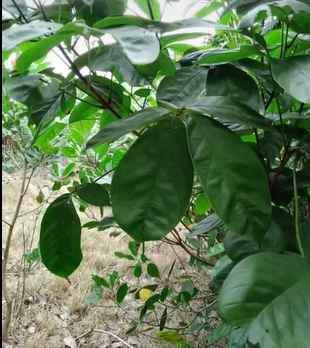
Key Facts
Category: Leaf
Botanical Name: NIL
Common Name: Mercy Leaf
Yoruba name: Ewe Aanu
Igbo Name: Nil
Hausa Name: Nil
Health Benefits
1. Treatment of Skin Infections and Wounds
Ewe Aanu is crushed and applied to wounds, boils, and skin infections to speed up healing and prevent infection.
2. Fever and Malaria Relief
The boiled water of Ewe Aanu is taken in controlled quantities to reduce fever, body heat, and symptoms of malaria.
3. Cleansing the Blood and Detoxifying the Body
Herbalists prepare mild herbal drinks from Ewe Aanu to cleanse the blood, flush out toxins, and improve general body health.
4. Relieving Stomach Pain and Digestive Disorders
A herbal decoction made from the leaf is used to treat stomach cramps, mild diarrhea, and digestive discomfort.
5. Calming the Nerves and Reducing Stress
Bathing with or drinking mild herbal water prepared with Ewe Aanu is believed to calm the nerves, reduce stress, and improve mental clarity.
🌿Unluck Natural Healing with Your Backyard Plants!
Ever wondered what secrets your local leafs and plants have for lifelong health? Do you know what they can cure? Stop relying solely on pills which are chemicals!
With years of experience, we’ve compiled authentic knowledge into 3 masterclass e-books:
Spiritual Use
1. Attracting Mercy and Divine Favor
Ewe Aanu is commonly used in spiritual baths or prayers to attract God’s mercy, favor, and kindness. Yoruba traditionalists believe it opens doors of blessing and softens difficult situations.
2. Cleansing Bad Luck and Negative Energy
Soaking Ewe Aanu in water overnight and using it for early morning baths is a common Yoruba practice for removing bad luck, evil energy, and spiritual blockages.
3. Breaking Curses and Undoing Evil Works
Herbalists prepare Ewe Aanu mixtures for people suffering from stubborn spiritual attacks or generational curses, believing it carries mercy that neutralizes evil forces.
4. Peace and Reconciliation
In Yoruba tradition, Ewe Aanu is sometimes used in rituals meant to restore peace between family members or reconcile broken relationships.
5. Healing Spiritually Related Illnesses
Yoruba elders believe some illnesses are spiritual; Ewe Aanu is used in such cases for cleansing and healing, especially when other herbs fail.
Characteristics
⦁ Physical Appearance –
Ewe Aanu has soft, broad green leaves with a fresh herbal smell.
⦁ Growth Pattern –
It grows naturally in bushy areas, near rivers, and on moist farmlands, thriving well during the rainy season.
⦁ Cultural Significance –
Its name “Mercy Leaf” makes it highly respected among Yoruba herbalists and spiritualists.
⚡ Wait...Do You Really Know the True Secrets of the Orishas?
Why was Sango called Jakuta before he was crowned Oba Koso? What hidden power lies in Ogun Onire’s original pact? And why is Obatala worshipped as the Apex Deity?
Stop guessing! True Orisha wisdom goes far beyond surface-level stories. Check out the secrets behind Sango, Ogun, Obatala, Osun, Esu, and Oro with our comprehensive e-book series. Inside each structured guide, you'll discover:
🎁The Masterclass e-Books Available at token! Claim Your Copy Today
Functions
⦁ Traditional Medicine –
Used for fever, malaria, skin infections, and body cleansing.
⦁ Spiritual Purposes –
Attracting mercy, cleansing bad luck, breaking curses, and restoring peace.
⦁ Cultural Rituals –
Often used in prayers, sacrificial rites, and other Yoruba spiritual ceremonies.
Conclusion
Ewe Aanu, the Yoruba Mercy Leaf, is more than just a herbal plant; it is a herby gifted by Nature for human use. Its role in treating physical ailments and its spiritual power to attract favor and remove bad luck make it one of the most used leaves in Yoruba culture.
CONNECT WITH US: