support@yorubalibrary.com
+2348073529208
Ewe Dongoyaro, also called Ewe Dogoyaro in some Yoruba communities, is one of the most popular and highly used medicinal plants in Yoruba traditional medicine. Its English name is Indian Lilac, and its botanical name is Azadirachta indica, though it is commonly known worldwide as Neem.
In Yoruba land, Dongoyaro is regarded as a powerful healing and cleansing plant used to treat different types of illnesses such as malaria, fever, skin diseases, and stomach disorders. It is also known for its spiritual cleansing power, believed to remove bad luck, neutralize charms, and protect against evil spirits.
The tree is easily recognized by its bitter leaves and medicinal smell, and it is commonly grown in compounds, farmlands, and roadsides for both shade and herbal use.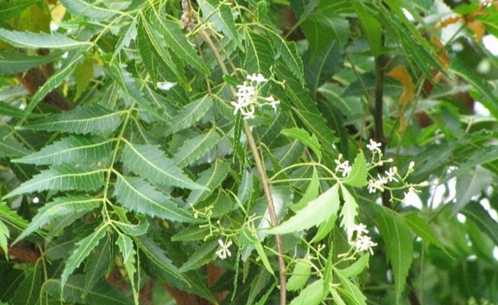
Key Facts
Category: Leaf
Botanical Name: Azadirachta Indica
Common Name: Indian Lilac Or Margosa Tree Or Neem Plant
Yoruba name: Ewe Dongoyaro or Ewe Dogoyaro
Igbo Name: Nil
Hausa Name: Nil
Health Benefits
1. Malaria and Fever Treatment
Ewe Dongoyaro (Azadirachta indica) is one of the most effective Yoruba herbs for malaria. The leaves are boiled and taken as a herbal drink or used for steam therapy to reduce fever and body heat.
2. Cleanses the Blood and Detoxifies the Body
Drinking mild Dongoyaro herbal tea purifies the blood, removes toxins, and improves general body health.
3. Treats Skin Infections and Rashes
The leaves are boiled and used as bath water or crushed into a paste to cure skin infections, eczema, and stubborn rashes.
4. Boosts Immunity and Fights Infections
Its strong antibacterial and antifungal properties help the body fight infections and strengthen the immune system.
5. Improves Stomach Health
Taken in small doses, Dongoyaro herbal drinks help treat stomach worms, indigestion, and mild constipation.
6. Controls Diabetes and Blood Sugar
Traditional herbalists recommend controlled doses of Dongoyaro tea to reduce high blood sugar levels naturally.
7. Restores Strength After Sickness
It is commonly used to rejuvenate the body after prolonged illness due to its detoxifying and blood-strengthening effects.
🌿Unluck Natural Healing with Your Backyard Plants!
Ever wondered what secrets your local leafs and plants have for lifelong health? Do you know what they can cure? Stop relying solely on pills which are chemicals!
With years of experience, we’ve compiled authentic knowledge into 3 masterclass e-books:
Spiritual Use
1. Cleansing Bad Luck and Negative Energy
Ewe Dongoyaro is soaked in water and used for ritual baths to wash away bad luck, failure, and negative energy.
2. Breaking Curses and Neutralizing Evil Charms
Yoruba herbalists use Dongoyaro in cleansing rituals to break curses, destroy evil charms, and neutralize witchcraft attacks.
3. Protection Against Witchcraft and Evil Spirits
Leaves are hung at doorways, burnt as incense, or mixed in protective charms to repel evil spirits and witchcraft.
4. Healing Spiritually Caused Illnesses
Dongoyaro is used in herbal baths for people believed to be suffering from illnesses caused by spiritual attacks.
5. Attracting Peace and Prosperity
Some traditionalists believe that regular cleansing baths with Dongoyaro water open doors to favor, peace, and prosperity.
Characteristics
⦁ Physical Appearance –
Ewe Dongoyaro grows as a tall tree with green compound leaves, rough bark, and white flowers.
⦁ Taste and Smell –
The leaves are extremely bitter with a strong herbal smell.
⦁ Growth Pattern –
Commonly planted along roadsides, compounds, and farms, thriving in both dry and rainy seasons.
⚡ Wait...Do You Really Know the True Secrets of the Orishas?
Why was Sango called Jakuta before he was crowned Oba Koso? What hidden power lies in Ogun Onire’s original pact? And why is Obatala worshipped as the Apex Deity?
Stop guessing! True Orisha wisdom goes far beyond surface-level stories. Check out the secrets behind Sango, Ogun, Obatala, Osun, Esu, and Oro with our comprehensive e-book series. Inside each structured guide, you'll discover:
🎁The Masterclass e-Books Available at token! Claim Your Copy Today
Functions
⦁ Traditional Medicine –
Malaria treatment, skin infections, detoxification, and immune boosting.
⦁ Spiritual Cleansing –
Breaking curses, removing bad luck, and protecting against evil.
⦁ General Wellness –
Strengthens the body after prolonged illness.
Conclusion
Ewe Dongoyaro, also called Ewe Dogoyaro (Indian Lilac – Azadirachta indica), is one of the most effective and powerful herbs in Yoruba traditional medicine. Its ability to cure malaria, cleanse the blood, treat skin infections, really sets it apart.
CONNECT WITH US: