support@yorubalibrary.com
+2348073529208
Ewe Ẹmilẹ, also called Ẹmilẹ leaf in Yoruba, is one of the most potent medicinal plants in Yoruba traditional medicine. Its English name is Asthma Plant, and its botanical name is Euphorbia hirta.
The Yoruba people regard Ewe Ẹmilẹ as a powerful healing herb because of its effectiveness in treating asthma, cough, skin diseases, and several internal illnesses. It is not used as food but is widely prepared as herbal medicine. In addition to its medicinal value, Ewe Ẹmilẹ also has spiritual importance in Yoruba land, where it is used for cleansing and protection.
This plant grows naturally in bushy areas, roadside paths, and farmlands. It is easily recognized by its hairy stems and small reddish leaves.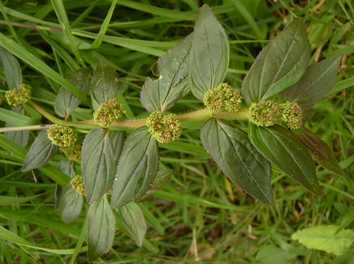
Key FactsCategory: Leaf
Botanical Name: Euphorbia Hirta
Common Name: Asthma Plant
Yoruba name: Ewe Ẹmilẹ
Igbo Name: Nil
Hausa Name: Nil
Health Benefits
1. Treatment of Asthma and Respiratory Problems
Ewe Ẹmilẹ (Euphorbia hirta) is famously known for treating asthma, which is why it is called the Asthma Plant in English. Yoruba herbalists prepare a special herbal drink from its leaves to open blocked airways and reduce breathing difficulties.
2. Relieves Cough and Chest Congestion
Boiled Ẹmilẹ water is used to treat stubborn cough, chest pain, and mucus buildup in Yoruba traditional medicine.
3. Cleanses the Stomach and Stops Diarrhea
Ẹmilẹ is used as a natural remedy for diarrhea and stomach pain. Its boiled water is taken in controlled quantity to stop loose stool and calm stomach upset.
4. Cures Skin Diseases and Wounds
The crushed leaves of Ewe Ẹmilẹ are applied directly to skin infections, rashes, or wounds to speed up healing and kill germs.
5. Lowers Fever and Malaria Symptoms
Yoruba herbalists use it in herbal mixtures to reduce fever and body heat caused by malaria.
6. Cleanses the Blood and Boosts Immunity
Taking mild herbal tea made from Ewe Ẹmilẹ is believed to purify the blood, fight infections, and strengthen the body against illnesses.
7. Relieves Body Pains and Rheumatism
Some traditional healers mix Ẹmilẹ with other herbs to prepare herbal remedies for joint pain, backache, and rheumatism.
🌿Unluck Natural Healing with Your Backyard Plants!
Ever wondered what secrets your local leafs and plants have for lifelong health? Do you know what they can cure? Stop relying solely on pills which are chemicals!
With years of experience, we’ve compiled authentic knowledge into 3 masterclass e-books:
Spiritual Use
1. Protection Against Witchcraft and Negative Spirits
Ewe Ẹmilẹ is placed in strategic corners of the house or hung at entrances as a natural protective plant against witchcraft and harmful spiritual attacks.
2. Spiritual Cleansing and Purification
The leaves are soaked in water and used for herbal baths to remove spiritual contamination, bad luck, or negative energy.
3. Breaking Minor Curses and Bad Dreams
Some Yoruba traditionalists prepare herbal baths with Ẹmilẹ for people suffering from constant bad dreams or spiritual oppression, believing it drives away negative forces.
4. Healing Spiritual-Related Illnesses
Ewe Ẹmilẹ is used in herbal mixtures prepared for illnesses believed to have spiritual causes, such as unexplained weakness or persistent headaches.
Characteristics
⦁ Physical Appearance –
Ewe Ẹmilẹ has small reddish-green leaves, hairy stems, and produces tiny flowers.
⦁ Taste and Smell –
It has a slightly bitter taste and a strong herbal smell when boiled.
⦁ Growth Pattern –
It grows freely in bushy areas, roadside paths, farmlands, and abandoned lands, thriving best during rainy seasons.
⚡ Wait...Do You Really Know the True Secrets of the Orishas?
Why was Sango called Jakuta before he was crowned Oba Koso? What hidden power lies in Ogun Onire’s original pact? And why is Obatala worshipped as the Apex Deity?
Stop guessing! True Orisha wisdom goes far beyond surface-level stories. Check out the secrets behind Sango, Ogun, Obatala, Osun, Esu, and Oro with our comprehensive e-book series. Inside each structured guide, you'll discover:
🎁The Masterclass e-Books Available at token! Claim Your Copy Today
Functions
⦁ Traditional Medicine –
Used for asthma, cough, fever, diarrhea, and skin infections.
⦁ Blood Cleansing and Immunity Boosting –
Taken as herbal tea for cleansing the blood and fighting infections.
⦁ Spiritual Protection and Cleansing –
Important in Yoruba rituals for protection, purification, and breaking minor curses.
Conclusion
Ewe Ẹmilẹ, also known as Asthma Plant (Euphorbia hirta), is a famour medicinal plant in Yoruba traditional healing. Its ability to cure asthma, respiratory problems, skin diseases, and spiritual-related illnesses makes it a valued herbal plant.
CONNECT WITH US: