support@yorubalibrary.com
+2348073529208
Ewe Bobo Awodi, also known as Capparis thonningii, is one of the highly potent medicinal plants in Yoruba traditional healing. Found across the savannah and forest regions, this hardy shrub has served ages for its versatile healing powers. Its leaves, bark, and pods are widely used in both domestic and herbal remedies due to their anti-inflammatory, anti-microbial, and detoxifying properties.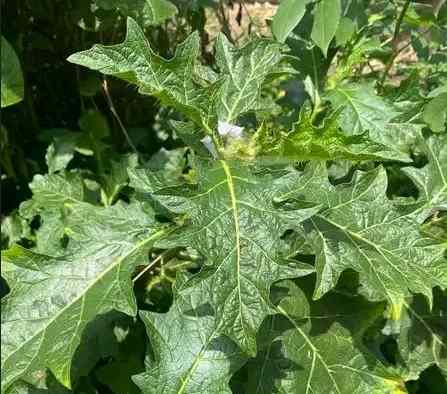 In many Yoruba villages, Ewe Bobo Awodi is not only used for medicinal potencies but also for its spiritual applications. Traditional healers often combine it with other herbs to prepare powerful mixtures for fever, chest congestion, and rheumatism. The plant’s healing energy is believed to balance the body’s internal system and restore vitality, especially after prolonged illness.
Key Facts
Category: Leaf
Botanical Name: Capparis thonningii
Common Name: Cappararaceae
Yoruba name: Ewe Bobo Awodi
Igbo Name: Nil
Hausa Name: Nil
Characteristics
Ewe Bobo Awodi is a small woody shrub with smooth, oval-shaped green leaves and aromatic white flowers. Its stem is rough and greyish, and it produces slender pods containing tiny seeds. The plant thrives in sunny areas and can easily grow in poor soil, making it a common sight near farmlands and homesteads in Yorubaland.
🌿Unluck Natural Healing with Your Backyard Plants!
Ever wondered what secrets your local leafs and plants have for lifelong health? Do you know what they can cure? Stop relying solely on pills which are chemicals!
With years of experience, we’ve compiled authentic knowledge into 3 masterclass e-books:
Identification Features
So as not to confuse Ewe Bobo Awodi with other leaves, below are some of the unique identifying attributes.
• Leaves: Smooth, shiny, and oval with a distinct green color.
• Flowers: White, fragrant, and clustered at the tips.
• Fruits: Slender pods with several small seeds inside.
• Stem: Woody and slightly rough with a light-grey bark.
Uses
1) Fever and Malaria Relief
A decoction made from the leaves and bark of Ewe Bobo Awodi is boiled and taken warm to reduce fever and body aches caused by malaria. It promotes sweating and helps the body eliminate internal heat and toxins.
2) Cough and Chest Congestion
The leaves are boiled with honey or a little palm oil to create a soothing drink that clears the throat and chest. The herbal mixture reduces mucus buildup, relieves dry cough, and restores breathing.
3) Rheumatism and Joint Pain
Crushed Ewe Bobo Awodi leaves are wrapped in a warm cloth and applied to painful joints or muscles. The poultice improves blood flow and helps ease inflammation, making it useful for arthritis and rheumatic pain.
4) Stomach Upset and Indigestion
A mild infusion of the leaves is used to calm bloating, gas, and stomach discomfort. The herb’s natural bitterness supports proper digestion and strengthens intestinal function.
5) Wound and Skin Infection Treatment
The fresh leaf juice or ground paste is applied directly on wounds, sores, and skin rashes. It prevents infection, dries the wound quickly, and promotes smooth healing without scars.
6) Menstrual Cleansing and Fertility Support
In Yoruba traditional medicine, Ewe Bobo Awodi is sometimes included in herbal mixtures taken by women to regulate menstruation and cleanse the womb, helping to prepare the body for conception.
⚡ Wait...Do You Really Know the True Secrets of the Orishas?
Why was Sango called Jakuta before he was crowned Oba Koso? What hidden power lies in Ogun Onire’s original pact? And why is Obatala worshipped as the Apex Deity?
Stop guessing! True Orisha wisdom goes far beyond surface-level stories. Check out the secrets behind Sango, Ogun, Obatala, Osun, Esu, and Oro with our comprehensive e-book series. Inside each structured guide, you'll discover:
🎁The Masterclass e-Books Available at token! Claim Your Copy Today
Conclusion
Ewe Bobo Awodi (Capparis thonningii) remains a useful herbal plant across Yorubaland. Its ability to relieve fever, cough, stomach pain, and skin infections demonstrates the depth of traditional Yoruba botanical efficiencies. Whether used alone or as part of a compound mixture, this plant serves as a natural healer in many occasions.
CONNECT WITH US: