support@yorubalibrary.com
+2348073529208
Ewe Ela, known in Yoruba herbal tradition as one of the powerful forest plants, is scientifically identified as Calyptrochilum christyanum. This herb is a species of wild orchid found mostly in humid forests and shaded regions of Yorubaland. Its delicate yet firm leaves, along with its ability to grow well on tree trunks or moist rocks, make it unique among medicinal plants. For years, Ewe Ela has been famous not just for its physical healing qualities, but also for its strong spiritual usage in Yoruba culture.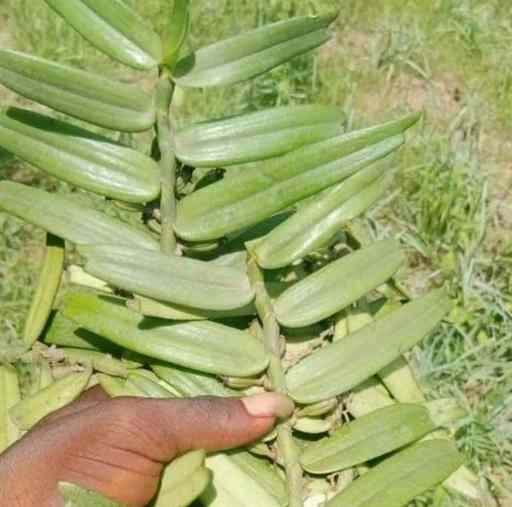 In traditional Yoruba healing practices, Ewe Ela is seen as both a curative and protective plant. When used medicinally, the leaves are boiled to prepare herbal decoctions for fever, headaches, and body pain. Spiritually, Ewe Ela plays an important role in cleansing rituals meant to remove negative energy, restore balance, and bring peace of mind. It is commonly included in herbal baths for people suffering from unexplained sickness, bad dreams, or prolonged misfortune.
Far beyond its healing and spiritual use, Ewe Ela also has cultural importance among traditional healers (oníṣègùn). They regard it as a “pure” plant—one that attracts calmness, divine favor, and mental clarity. During certain Yoruba rituals, it is used to anoint sacred spaces or to bless individuals seeking divine direction or emotional stability.
Key Facts
Category: Leaf
Botanical Name: Calyptrochilum christyanum
Yoruba name: Ewe Ela
Igbo Name: Nil
Hausa Name: Nil
Characteristics
Ewe Ela is an epiphytic orchid with slender stems and elongated leaves that are firm to the touch. The plant bears small, greenish-white flowers and thrives in shaded, moist environments, particularly on tree trunks in forests or around streams. It has no distinct smell, but its presence is easily recognized by herbalists due to its glossy, bright-green foliage and the cooling sensation it produces when handled.
🌿Unluck Natural Healing with Your Backyard Plants!
Ever wondered what secrets your local leafs and plants have for lifelong health? Do you know what they can cure? Stop relying solely on pills which are chemicals!
With years of experience, we’ve compiled authentic knowledge into 3 masterclass e-books:
Identification Features
Below are some of the unique features which aid in distinguishing Ewe Ela amongst other leaves.
• Leaves: Narrow, elongated, and slightly thick with a smooth surface.
• Flowers: Small, pale green or white, and clustered near the upper stem.
• Habitat: Grows naturally on tree trunks, rocks, and moist forest areas.
• Texture: Glossy and firm, producing a mild cooling effect when crushed.
Uses
1. Treatment of Fever and Body Heat
A decoction of Ewe Ela leaves is used to lower fever and reduce internal body heat. The herb is boiled in clean water and drunk in small quantities two to three times daily. Its cooling nature helps regulate body temperature, calm headaches, and restore physical comfort after long days of exposure to heat or stress.
2. Relief for Headache and Dizziness
The fresh leaves of Ewe Ela are gently rubbed or tied around the forehead to relieve headaches caused by stress or lack of sleep. Alternatively, the herbal water can be used as a cold compress to ease dizziness and migraines. Many Yoruba families still use this simple yet effective practice as a first aid treatment.
3. Spiritual Cleansing and Protection
Ewe Ela is one of the leaves frequently used in spiritual baths prepared by Yoruba herbalists for cleansing and renewal. It is boiled together with other cooling leaves such as Ewe Rinrin and Ewe Odundun. The bath is believed to wash away bad energy, misfortune, and negative dreams while attracting peace, favor, and clarity of mind.
4. Emotional Calmness and Stress Relief
Because of its cooling and balancing properties, Ewe Ela is used in herbal mixtures meant to calm the mind and ease emotional tension. Drinking a small portion of its light decoction helps relieve anxiety and restlessness.
5. Healing of Minor Skin Infections
The crushed leaves of Ewe Ela are applied on mild skin irritations, rashes, and insect bites. Its cooling effect helps reduce itching, redness, and swelling. When mixed with palm oil, it becomes even more effective in soothing affected areas.
6. Enhancing Sleep and Spiritual Awareness
A mild infusion of Ewe Ela taken before bedtime helps promote restful sleep and may enhance spiritual awareness in those undergoing traditional initiation or training. It is believed to calm the body and open the inner senses to divine insight.
⚡ Wait...Do You Really Know the True Secrets of the Orishas?
Why was Sango called Jakuta before he was crowned Oba Koso? What hidden power lies in Ogun Onire’s original pact? And why is Obatala worshipped as the Apex Deity?
Stop guessing! True Orisha wisdom goes far beyond surface-level stories. Check out the secrets behind Sango, Ogun, Obatala, Osun, Esu, and Oro with our comprehensive e-book series. Inside each structured guide, you'll discover:
🎁The Masterclass e-Books Available at token! Claim Your Copy Today
Conclusion
Ewe Ela stands as one of the Yoruba forest treasures—an herb that heals the body and soothes the spirit. Its cooling and purifying effects make it useful for treating fever, headache, and stress, while its spiritual strength helps remove bad energy and restore inner peace. As Yoruba traditional medicine continues to gain recognition for its potency and efficiency, Ewe Ela remains a great example of how nature provides balance for both the physical and spiritual aspects of human life.
CONNECT WITH US: