support@yorubalibrary.com
+2348073529208
Ewe Enu Opiri, known scientifically as Linum usitatissimum and often referred to as Enu Opiye in some Yoruba regions, is a highly beneficial plant known for its versatile healing powers. It is a small herbaceous plant valued not only for its medicinal uses but also for its seeds, which yield a valuable oil used for both nutritional and therapeutic purposes. Among the Yoruba, Ewe Enu Opiri is cherished as a “balancing leaf”, meaning it works gently but effectively to correct internal imbalances, particularly those affecting the stomach, chest, and skin.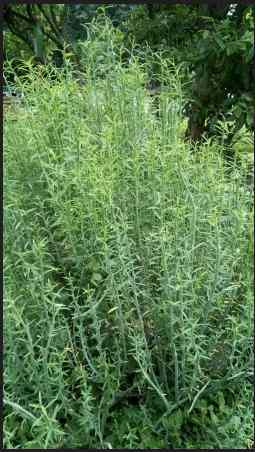 Traditionally, Yoruba herbalists use Ewe Enu Opiri to treat ailments related to the digestive and respiratory systems. The leaves and seeds are known to reduce inflammation, ease internal pain, and promote general body wellness. The plant’s mild and cooling properties make it suitable for people of all ages, especially those recovering from prolonged illness or weakness. Moreover, the oil derived from the seeds is considered a natural tonic that helps to strengthen the body, improve bowel movement, and relieve dry skin.
In Yoruba healing practice, Ewe Enu Opiri is also linked with spiritual cleansing and purity. Because of its gentle nature, it is occasionally included in purification baths meant to remove negative spiritual energy that causes tiredness, constant bad luck, or poor health. Through both physical and spiritual functions, Ewe Enu Opiri continues to be in special place in Yoruba herbal knowledge as a remedy that restores comfort, strength, and balance to the body.
Key Facts
Category: Leaf
Botanical Name: Linum Usitatissimum
Yoruba name: Ewe Opiri or Ewe Enu Opiye
Igbo Name: Nil
Hausa Name: Nil
Characteristics
Ewe Enu Opiri is a slender-stemmed annual plant with narrow, lance-shaped leaves. It bears small, pale blue flowers and tiny capsules containing glossy brown seeds. These seeds, often called flaxseeds in modern contexts, are rich in natural oils and nutrients. The plant grows best in well-drained, sunny environments and can be cultivated both in farms and around homesteads.
🌿Unluck Natural Healing with Your Backyard Plants!
Ever wondered what secrets your local leafs and plants have for lifelong health? Do you know what they can cure? Stop relying solely on pills which are chemicals!
With years of experience, we’ve compiled authentic knowledge into 3 masterclass e-books:
Identification Features
Below are some of the most amazing ways of recognizing Ewe Enu Opiri
• Stem: Slender, smooth, and upright.
• Leaves: Narrow, pointed, and smooth-edged.
• Flowers: Small, pale blue, and delicate.
• Seeds: Shiny, brown, and oval, rich in oil content.
Uses
1. Constipation and Digestive Cleansing
The seeds of Ewe Enu Opiri are soaked in water or lightly boiled to create a smooth laxative drink. This traditional preparation softens stool, relieves constipation, and promotes regular bowel movement without irritating the intestines. Herbalists often combine it with honey or palm kernel oil for better effect.
2. Chest Congestion and Cough Relief
A warm infusion of the leaves or seeds is used to ease cough and loosen mucus in the chest. It soothes throat irritation and reduces the heaviness caused by catarrh and cold. Many Yoruba families keep this remedy as a simple, home-based treatment during cold seasons.
3. Stomach Ulcer and Internal Inflammation
Ewe Enu Opiri has a soothing effect on the inner lining of the stomach. When prepared as a mild herbal tea, it helps relieve ulcer pain, reduce internal heat, and calm the digestive system. Continuous use over a few days is said to repair irritated stomach walls and restore appetite.
4. Skin Care and Wound Treatment
The oil from Ewe Enu Opiri seeds is applied to dry, cracked, or irritated skin. It helps retain moisture, reduce inflammation, and speed up wound healing. In Yoruba tradition, the oil is sometimes mixed with shea butter (Ori) for a more potent healing balm.
5. Heart and Blood Health
Regular consumption of the oil or herbal extract helps to improve blood circulation and support heart function. Yoruba healers recommend it for individuals suffering from fatigue, weakness, or dizziness, as it helps “strengthen the blood” and promote better vitality.
6. Spiritual Cleansing and Renewal
Ewe Enu Opiri is used in some Yoruba cleansing baths designed to restore peace of mind and remove bad spiritual influences. The leaves are boiled and added to bath water, especially for those who feel constant heaviness or depression. This practice is said to renew inner energy and attract positivity.
⚡ Wait...Do You Really Know the True Secrets of the Orishas?
Why was Sango called Jakuta before he was crowned Oba Koso? What hidden power lies in Ogun Onire’s original pact? And why is Obatala worshipped as the Apex Deity?
Stop guessing! True Orisha wisdom goes far beyond surface-level stories. Check out the secrets behind Sango, Ogun, Obatala, Osun, Esu, and Oro with our comprehensive e-book series. Inside each structured guide, you'll discover:
🎁The Masterclass e-Books Available at token! Claim Your Copy Today
Conclusion
Ewe Enu Opiri is a gentle yet powerful Yoruba herb that offers relief from digestive troubles, cough, and inflammation while improving skin and blood health. Its soothing qualities make it a popular remedy for cleansing both the body and the spirit. Whether used in its raw leaf form, as seed oil, or in traditional mixtures, Ewe Enu Opiri a regular herb used in treating different ailments and has a wide application uses.
CONNECT WITH US: