support@yorubalibrary.com
+2348073529208
Ewe Irosun is one of the most sought for plants in Yoruba culture, with a spetacular feature. It is known scientifically as Baphia nitida, this plant is valued not only for its medicinal uses but also for its traditional uses. Yoruba elders and herbalists regard it as a plant that brings purity, vitality, and balance to both the body and spirit. Its reddish sap, which gives the wood and leaves their distinctive color, is often associated with strength, protection, and vitality — hence its use in Ifá rituals, naming ceremonies, and traditional body markings.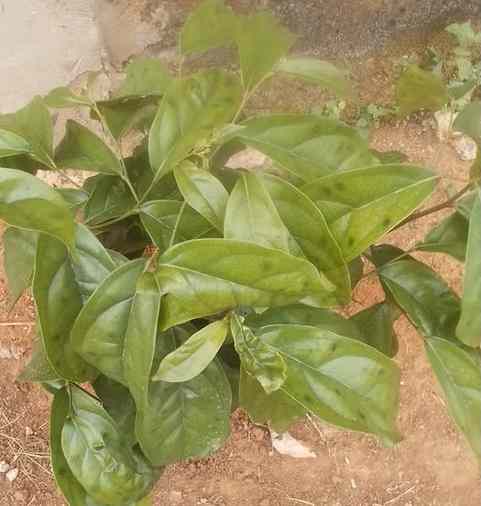 In Yoruba traditional medicine, Ewe Irosun is used to treat various ailments ranging from skin conditions to blood-related disorders. Its bark, leaves, and roots are often combined in herbal preparations aimed at cleansing the body and improving circulation. It is also widely used for its anti-septic and anti-inflammatory properties, making it a potent remedy for wounds, rashes, and skin infections.
Culturally, Ewe Irosun has a unique place in spiritual application. Its red dye, is used in prayers, divination, and protection charms. In furtherance, Ewe Irosun continues to serve as an important healing plant in Yoruba traditional medicine.
Key Facts
Category: Leaf
Botanical Name: Baphia nitida Lodd
Yoruba name: Ewe Irosun
Igbo Name: Nil
Hausa Name: Nil
Characteristics
Ewe Irosun comes from a medium-sized evergreen tree that grows up to 10–15 meters tall. The leaves are compound, glossy, and oval-shaped, while the bark is grayish-brown with a reddish core that exudes a thick red sap when cut. The wood of the tree is also reddish, giving rise to the name Camwood in English. It thrives well in forest regions and moist soils across Yoruba land, particularly in southern Nigeria.
🌿Unluck Natural Healing with Your Backyard Plants!
Ever wondered what secrets your local leafs and plants have for lifelong health? Do you know what they can cure? Stop relying solely on pills which are chemicals!
With years of experience, we’ve compiled authentic knowledge into 3 masterclass e-books:
Identification Features
There are numerous ways of identifying Ewe Irosun in the league of other leaves, below are some of the unique ways:
• Medium-sized tree with smooth, grayish bark and red inner wood.
• Leaves are compound, alternate, and glossy green.
• When the bark is cut, a deep red sap or dye exudes from it.
• Produces small, fragrant white flowers and flat seed pods.
• Commonly found in forests and home gardens in western Nigeria.
Uses
1. Blood Strengthening and Purification
Ewe Irosun is one of Yoruba’s most used blood-strengthening herbs. The red sap symbolizes life and is used to enrich and purify the blood. Traditional healers prepare a mild decoction from the leaf and bark to restore strength to people recovering from malaria, fever, or anemia. It is often combined with Ewe Rinrin and honey for added nourishment.
2. Skin Rashes, Wounds, and Infections
The powdered form of Ewe Irosun bark or leaf is mixed with palm oil or shea butter (ori) and applied directly to skin infections, eczema, and wounds. Its antimicrobial property helps prevent infection and promotes rapid healing. The preparation also soothes itching and inflammation.
3. Menstrual Irregularities and Blood Flow
Women use Ewe Irosun in herbal mixtures to regulate menstrual flow and cleanse the womb after childbirth. Its blood-purifying effect helps eliminate clots and normalize the reproductive system.
4. Rheumatism and Joint Pains
Ewe Irosun leaves and bark are boiled with other warming herbs to create a healing bath for relieving rheumatism, body aches, and swollen joints. Regular use helps improve flexibility and circulation.
5. Spiritual Cleansing and Protection
Spiritually, Ewe Irosun holds a sacred role in Yoruba rituals. The red powder (osun) derived from it is used for protection, warding off negative energy, and invoking blessings. It is often mixed with water or shea butter and rubbed on the body during cleansing rites or traditional prayers.
6. Child Naming and Ifá Practices
In Yoruba tradition, Irosun is one of the four sacred materials used by Ifá priests during divination and naming ceremonies. Its presence depicts purity, power, and continuity of life. The leaf is sometimes placed in bathing water for newborns to invite peace, strength, and longevity.
⚡ Wait...Do You Really Know the True Secrets of the Orishas?
Why was Sango called Jakuta before he was crowned Oba Koso? What hidden power lies in Ogun Onire’s original pact? And why is Obatala worshipped as the Apex Deity?
Stop guessing! True Orisha wisdom goes far beyond surface-level stories. Check out the secrets behind Sango, Ogun, Obatala, Osun, Esu, and Oro with our comprehensive e-book series. Inside each structured guide, you'll discover:
🎁The Masterclass e-Books Available at token! Claim Your Copy Today
Conclusion
Ewe Irosun remains one of Yoruba land’s most powerful and spiritually charged plants. From purifying the blood and treating skin infections to offering spiritual protection and renewal, its uses cut across both the physical and metaphysical realms. For ages in Yoruba land, healers have trusted Ewe Irosun not only as a medicine but also as a gift of nature.
CONNECT WITH US: