support@yorubalibrary.com
+2348073529208
Ewe Onitikuti, known as the leaf of the tomato plant, has an important place in Yoruba herbal medicine. While most people recognize the tomato for its fruit, traditional healers in Yorubaland have long used its leaves for their medicinal properties. The plant grows easily in home gardens and farmlands across the region, growing best under warm sunlight and moderate rainfall. It is one of those household plants that serve both culinary and therapeutic purposes, showing how everyday nature provides healing within reach.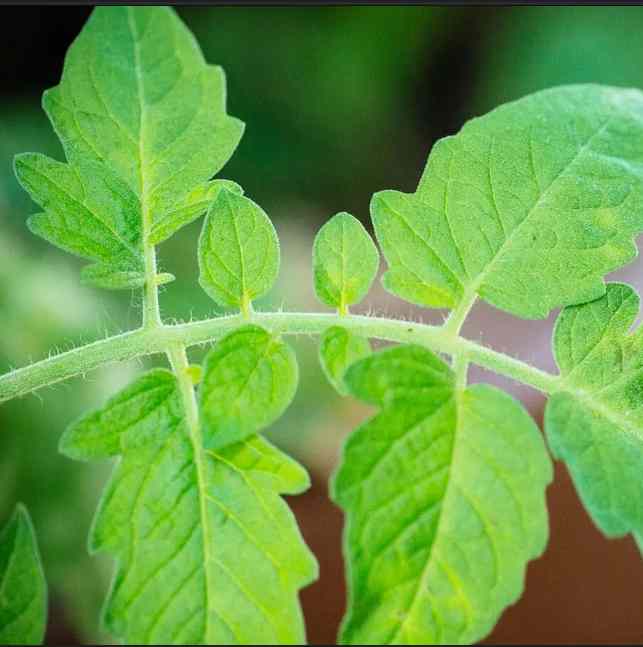 In Yoruba traditional healing systems, Ewe Onitikuti is used for a wide range of remedies—from easing body pain and fever to treating stomach infections and skin ailments. Its slightly bitter and pungent leaves are rich in natural compounds believed to have anti-bacterial and detoxifying effects. The decoction (Agbo) of Ewe Onitikuti is commonly used as a cleansing agent for the blood and a natural tonic for internal purification. Some herbalists also combine it with other leaves like Ewe Rinrin or Ewe Orin Ata to enhance its potency.
Apart from its physical healing powers, the tomato leaf also have a great place in Yoruba spirituality. Some traditional practitioners use it in cleansing rituals intended to “cool the head” and restore inner calm after prolonged stress or conflict. Its connection to both nourishment and healing makes it a dual-purpose plant that useful for both food and medicinal purposes.
Key Facts
Category: Leaf/Bulb
Botanical Name: Solanum lycopersicum
Common Name: Tomato Leaf
Yoruba name: Ewe Onitikuti
Igbo Name: Nil
Hausa Name: Nil
Characteristics
Ewe Onitikuti grows on a soft-stemmed, branching plant that can reach up to one meter in height. The leaves are bright to dark green, soft, and slightly hairy with a distinct tomato scent when crushed. The plant thrives in warm climates and produces small yellow flowers that develop into red edible fruits.
🌿Unluck Natural Healing with Your Backyard Plants!
Ever wondered what secrets your local leafs and plants have for lifelong health? Do you know what they can cure? Stop relying solely on pills which are chemicals!
With years of experience, we’ve compiled authentic knowledge into 3 masterclass e-books:
Identification Features
Below are some of unique identifying properties used in recognizing Ewe Onitikuti
• Leaves: Bright green, slightly hairy, and lobed with a strong tomato scent.
• Stem: Soft, flexible, and covered with fine hairs.
• Flowers: Small, star-shaped, and yellow.
• Fruit: Round, red tomato fruit.
• Habitat: Grows in cultivated gardens, farms, and sometimes in the wild.
Uses
1. Treatment of Fever and Body Heat
A decoction made from Ewe Onitikuti is used traditionally to bring down fever and internal heat. The warm herbal drink helps cool the body, promote sweating, and ease body weakness. It is often taken with honey or lime to improve taste and enhance its fever-reducing properties.
2. Relief for Stomach Disorders
Ewe Onitikuti is boiled and taken in small quantities to ease stomach pain, diarrhea, and indigestion. The mild bitterness of the leaf helps cleanse the digestive tract, eliminate harmful bacteria, and restore balance in the stomach. This treatment is popular among rural households for its quick effect on mild stomach upsets.
3. Treatment of Skin Irritations and Wounds
The fresh leaves are crushed into a paste and applied directly to insect bites, boils, or minor wounds. The juice from the leaves helps reduce swelling, disinfect the area, and speed up healing. When combined with palm oil, it also soothes itching and irritation caused by rashes.
4. Remedy for Cough and Respiratory Issues
Some Yoruba herbalists prepare a mild extract from Ewe Onitikuti to treat cough and mild chest congestion. When taken warm, the mixture helps clear phlegm and ease breathing. The leaf’s aromatic compounds are believed to relieve throat irritation and support respiratory health.
5. Management of Blood Impurities
A small amount of the leaf decoction is used as a cleansing tonic for people who suffer from pimples, acne, or dull skin. It purifies the blood, cools internal heat, and improves the skin’s natural glow. Consistent but moderate use is advised under herbal supervision.
6. Post-Illness Strength Restoration
After a prolonged illness, Ewe Onitikuti is sometimes added to herbal mixtures designed to restore appetite and strength. It helps re-energize the body, improve digestion, and enhance nutrient absorption after recovery.
7. Spiritual Cleansing and Calmness
In Yoruba belief, Ewe Onitikuti is used in cooling baths to calm emotional unrest and drive away negative energy. When boiled with other cooling herbs, the water is used to bathe early in the morning for renewed peace and balance.
⚡ Wait...Do You Really Know the True Secrets of the Orishas?
Why was Sango called Jakuta before he was crowned Oba Koso? What hidden power lies in Ogun Onire’s original pact? And why is Obatala worshipped as the Apex Deity?
Stop guessing! True Orisha wisdom goes far beyond surface-level stories. Check out the secrets behind Sango, Ogun, Obatala, Osun, Esu, and Oro with our comprehensive e-book series. Inside each structured guide, you'll discover:
🎁The Masterclass e-Books Available at token! Claim Your Copy Today
Conclusion
Ewe Onitikuti (Tomato Leaf) is more than a common garden plant—it is a versatile healer that supports the body and spirit. From treating fever and stomach issues to skin problems and emotional tension, its gentle yet effective qualities make it a valuable part of Yoruba herbal medicine. Its everyday presence reminds us that nature’s healing power often lies in the simplest, most familiar plants around us.
CONNECT WITH US: