support@yorubalibrary.com
+2348073529208
Ewe Oriji, known among Yoruba herbalists as a powerful medicinal plant, is popular for its restorative and protective qualities. This plant, often called Orijin in modern Yoruba parlance, represents renewal, purification, and strength in traditional belief. Found mostly in the savannah and dry forest zones of Yorubaland, Ewe Oriji is a small tree or shrub that exudes a fragrant resin when its bark is cut. This resin—thick, sticky, and aromatic—is regarded as the “life” of the tree, carrying its healing and spiritual potency.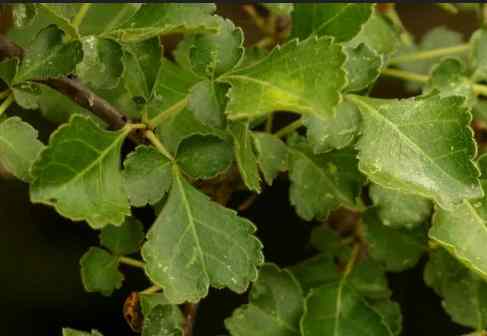 For many years ago, Yoruba healers have used Ewe Oriji as a key ingredient in various herbal and spiritual preparations. Its leaves, bark, and especially its gum resin are believed to possess strong anti-septic, anti-inflammatory, and restorative powers. It is commonly used to treat ailments such as wounds, cough, stomach pain, and joint inflammation. The resin, when burned, produces a sweet, calming fragrance that purifies the air and is used in rituals to drive away negative energy.
Spiritually, Ewe Oriji is considered a leaf of rebirth—used in rituals to renew strength, cleanse the body of evil influences, and mark the beginning of positive change. It is often included in herbal baths for protection, forgiveness and in ointments prepared to attract good fortune and vitality.
Key Facts
Category: Leaf
Botanical Name: Carmifora Africana
Yoruba name: Ewe Oriji or Ewe Orijin
Igbo Name: Nil
Hausa Name: Nil
Characteristics
Ewe Oriji grows as a small, thorny shrub or tree, usually between 2–6 meters tall. Its bark is greyish and peels easily, revealing a reddish inner surface that produces aromatic resin when cut. The leaves are small, oval, and clustered at the tips of branches. The plant’s pleasant fragrance and hardy nature make it well adapted to hot, dry environments.
🌿Unluck Natural Healing with Your Backyard Plants!
Ever wondered what secrets your local leafs and plants have for lifelong health? Do you know what they can cure? Stop relying solely on pills which are chemicals!
With years of experience, we’ve compiled authentic knowledge into 3 masterclass e-books:
Identification Features
Some of the ways to correctly identify Ewe Orijin include:
• Leaves: Small, green, and slightly leathery, growing in clusters.
• Bark: Greyish on the outside, reddish inside, releasing aromatic gum when cut.
• Resin: Sticky, aromatic, and often used for healing and purification.
• Habitat: Thrives in dry forest and savannah regions.
Uses
1. Treatment of Wounds and Skin Infections
The resin and crushed leaves of Ewe Oriji are applied directly to cuts, boils, and sores to prevent infection and promote fast healing. The gum’s natural antiseptic quality helps disinfect wounds and close them cleanly. It is also used for chronic skin problems such as eczema and persistent rashes.
2. Remedy for Cough and Chest Congestion
A decoction made from the bark or resin of Ewe Oriji is used to treat persistent cough and chest tightness. The warm herbal drink helps expel mucus and ease breathing, providing relief from respiratory issues like catarrh and mild bronchitis.
3. Treatment of Rheumatism and Joint Pain
The leaves and resin are combined with palm oil or shea butter to create an ointment applied to sore joints. This helps reduce inflammation, improve circulation, and relieve body stiffness caused by arthritis or rheumatism.
4. Management of Stomach Disorders
Ewe Oriji is boiled with other mild herbs to prepare a cleansing drink that relieves stomach pain, bloating, and constipation. Its natural bitterness stimulates digestion and clears the stomach of harmful buildup. Herbalists also use it for intestinal cleansing after food poisoning or indigestion.
5. Fever and Body Weakness
The leaf decoction of Ewe Oriji is used to reduce fever and restore strength after prolonged illness. The herb’s restorative property helps the body regain energy, appetite, and internal balance.
6. Spiritual Cleansing and Protection
Ewe Oriji is highly regarded for spiritual purification. Its resin is burned as incense during prayers or cleansing rituals to ward off evil spirits and attract positive energy. The leaf is also used in ritual baths meant to renew destiny, remove curses, and restore inner calm.
7. Attraction of Good Fortune
Some Yoruba practitioners believe that carrying a small portion of dried Ewe Oriji leaves or resin attracts blessings and success. It is sometimes combined with other prosperity herbs like Ewe Aje or Ewe Rinrin for greater effect in personal or business rituals.
⚡ Wait...Do You Really Know the True Secrets of the Orishas?
Why was Sango called Jakuta before he was crowned Oba Koso? What hidden power lies in Ogun Onire’s original pact? And why is Obatala worshipped as the Apex Deity?
Stop guessing! True Orisha wisdom goes far beyond surface-level stories. Check out the secrets behind Sango, Ogun, Obatala, Osun, Esu, and Oro with our comprehensive e-book series. Inside each structured guide, you'll discover:
🎁The Masterclass e-Books Available at token! Claim Your Copy Today
Conclusion
Ewe Oriji is more than just a healing plant—it is an herb of renewal, protection, and life force in Yoruba traditional medicine. Whether used to heal wounds, ease body pain, or cleanse the spirit, Ewe Oriji remains a potent herb in trado-medicine preparations.
CONNECT WITH US: