support@yorubalibrary.com
+2348073529208
Ewe Mangoro, known in English as the mango leaf, is one of the most familiar yet highly potent herbs in Yoruba traditional medicine. Found throughout Yorubaland due to the wide cultivation of mango trees, Ewe Mangoro is not just valued for its fruit but also for a high performance healing capabilities of its leaves, bark, and seed. The easy accessibility of Ewe Mangoro has made it a household remedy used by both healers and ordinary people in rural and urban communities.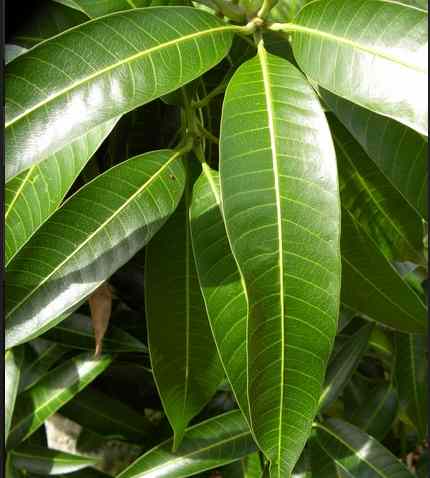 Traditionally, Ewe Mangoro is used to treat fever, high blood pressure, diabetes, and digestive disorders. Its slightly bitter, aromatic leaves contain natural compounds that regulate sugar levels and promote cardiovascular health. In Yoruba herbal practice, the leaf is often boiled into a tea known as omi mangoro, which is taken to cool the body and calm the nerves. This simple but powerful herbal tea is believed to strengthen the heart, cleanse the system of toxins, and reduce excessive body heat—conditions commonly described in Yoruba as ara gbigbona (internal heat).
Spiritually, Ewe Mangoro also holds significance as a leaf of purity, renewal, and divine favor. It is used in cleansing rituals and blessing ceremonies to bring peace, open the way for success, and remove misfortune. The mango tree itself is considered a sign of abundance and healing. Among Yoruba elders, sitting under a mature mango tree is believed to calm the spirit and refresh the mind, showing how this plant is tied to both physical and spiritual well-being.
Key Facts
Category: Leaf
Botanical Name: Mangifera indica
Yoruba name: Ewe Mangoro
Igbo Name: Nil
Hausa Name: Nil
Characteristics
The mango tree (Mangifera indica) is a large, evergreen tree that can grow up to 30 meters tall. Its leaves are long, glossy, and leathery with a pointed tip. When young, the leaves appear reddish or light green and turn deep green as they mature. The tree produces fragrant flowers and large, fleshy fruits with a single seed inside.
🌿Unluck Natural Healing with Your Backyard Plants!
Ever wondered what secrets your local leafs and plants have for lifelong health? Do you know what they can cure? Stop relying solely on pills which are chemicals!
With years of experience, we’ve compiled authentic knowledge into 3 masterclass e-books:
Identification Features
• Leaves: Long, narrow, and glossy with a pointed tip.
• Flowers: Small, yellowish-white, and sweetly scented.
• Fruit: Large, fleshy, and oval-shaped with a single seed.
• Habitat: Commonly cultivated across Yorubaland in both farms and homesteads.
Uses
1. Treatment of Fever and Malaria
The leaves of Ewe Mangoro are boiled to make a herbal drink used for treating fever and malaria. It helps to reduce body temperature, relieve fatigue, and clear impurities from the blood. The herbal decoction also strengthens the immune system.
2. Regulation of Blood Sugar and Diabetes
Yoruba herbalists use Ewe Mangoro as a natural remedy for controlling diabetes. Drinking the leaf extract early in the morning is believed to lower sugar levels and improve insulin function. Consistent use helps maintain healthy blood circulation.
3. Management of High Blood Pressure
The leaf tea made from Ewe Mangoro is used to calm the nerves, regulate heartbeat, and lower blood pressure. Its mild sedative property helps relieve stress and promote relaxation, which supports cardiovascular health.
4. Treatment of Stomach Disorders
Ewe Mangoro is effective in managing stomach ache, indigestion, and diarrhea. The decoction (Agbo) acts as a gentle cleanser that removes harmful substances from the digestive tract while promoting better digestion.
5. Wound Healing and Skin Care
Crushed Ewe Mangoro leaves are applied directly to wounds, burns, and skin rashes. Its anti-bacterial and anti-inflammatory properties help prevent infection and promote fast healing.
6. Detoxification and Body Cleansing
The herbal tea prepared from Ewe Mangoro leaves is commonly taken during body-cleansing routines. It purifies the blood, flushes out toxins, and leaves the body refreshed. Yoruba women often use it after childbirth to restore strength and cleanse the system.
7. Spiritual Cleansing and Blessing
In Yoruba spirituality, Ewe Mangoro is used in baths for purification and renewal. The leaves are boiled with other herbs to wash away bad luck, bring calm, and attract favor. It is also used in anointing rituals for peace and prosperity.
⚡ Wait...Do You Really Know the True Secrets of the Orishas?
Why was Sango called Jakuta before he was crowned Oba Koso? What hidden power lies in Ogun Onire’s original pact? And why is Obatala worshipped as the Apex Deity?
Stop guessing! True Orisha wisdom goes far beyond surface-level stories. Check out the secrets behind Sango, Ogun, Obatala, Osun, Esu, and Oro with our comprehensive e-book series. Inside each structured guide, you'll discover:
🎁The Masterclass e-Books Available at token! Claim Your Copy Today
Conclusion
Ewe Mangoro remains one of the most important plants in Yoruba herbal medicine. Its power to heal, cleanse, and protect makes it a daily companion in many Yoruba homes. From treating fever and diabetes to purifying the spirit and promoting peace, Ewe Mangoro shows the Yoruba understanding that nature’s gifts are both medicine and blessing. Whether used as a household remedy or in spiritual application, it continues to be a potent herb.
CONNECT WITH US: