support@yorubalibrary.com
+2348073529208
Ewe Obi, the leaf of the Cola acuminata tree, has a special place in Yoruba culture. Known primarily for its fruit — the kola nut (Obi), which represnets truth, respect, and spiritual power — the leaves themselves possess equally valued medicinal importance. For years ago, Yoruba traditional healers (oníṣègùn) and elders have used Ewe Obi in healing rituals, purification rites, and herbal preparations that strengthen both the body and spirit.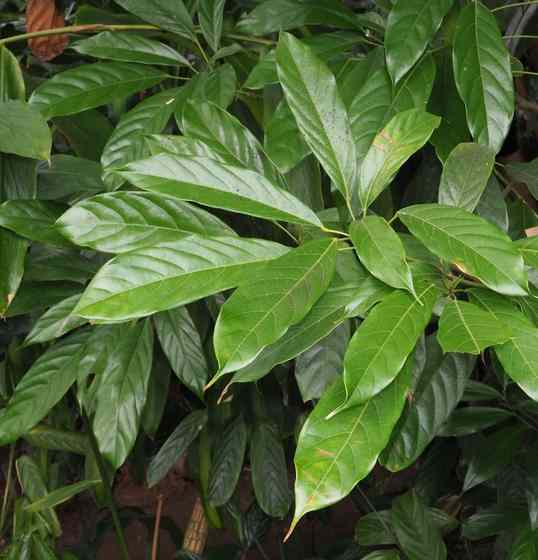 In Yoruba tradition, the kola tree is regarded as a divine gift — a plant associated with wisdom, blessing, and communication between humans and the spiritual realm. The leaves of Obi are used not only for physical healing but also for rituals of peace and reconciliation, as they are believed to carry cleansing and calming energy. Apart from their spiritual significance, these leaves contain beneficial compounds that make them valuable in treating various ailments.
Scientific studies have confirmed that Cola acuminata leaves are rich in caffeine, tannins, and anti-oxidants that can enhance alertness, relieve fatigue, and combat infections. When properly prepared, Ewe Obi serves as a versatile herbal remedy for fever, cough, headache, digestive issues, and even spiritual protection. Its unique combination of physical and metaphysical attributes has made it one of the tops in Yoruba trado-medicine world.
Key Facts
Category: Leaf/Fruit
Botanical Name: Cola acuminata
Yoruba name: Ewe Obi
Igbo Name: Nil
Hausa Name: Nil
Characteristics
Ewe Obi grows on an evergreen tree that can reach 10–12 meters in height. The leaves are glossy, broad, and deep green, with pointed tips and smooth edges. They grow alternately on long petioles and have a leathery feel when touched. The plant thrives in humid, tropical climates and is commonly found in forest regions and farmlands across Yorubaland.
🌿Unluck Natural Healing with Your Backyard Plants!
Ever wondered what secrets your local leafs and plants have for lifelong health? Do you know what they can cure? Stop relying solely on pills which are chemicals!
With years of experience, we’ve compiled authentic knowledge into 3 masterclass e-books:
Identification Features
Find below different attributes to recognize Ewe Obi in the league of many similar leaves:
• Large, glossy, deep-green leaves with smooth surfaces.
• Oval to oblong shape with pointed tips.
• Found on the kola nut tree, which bears reddish-brown nuts.
• Characteristic mild aroma when the leaf is crushed.
Uses
1. Fever and Malaria Treatment
A decoction made from Ewe Obi is commonly used to reduce fever and relieve symptoms of malaria. The prepared leaf water helps lower body temperature, improves appetite, and restores energy. Some traditional healers combine it with other leaves for better results.
2. Headache and Mental Fatigue
Crushed or boiled kola leaves are used to relieve headaches and mental exhaustion. The mild stimulant property of Ewe Obi increases alertness and circulation, helping to clear the head and ease tension. It is particularly effective when inhaled as steam or used in bath mixtures.
3. Cough and Respiratory Infections
Boiled Ewe Obi water serves as a soothing herbal drink for cough and chest congestion. Its anti-microbial and expectorant qualities help clear mucus, reduce throat irritation, and support respiratory health.
4. Stomach Upset and Indigestion
Ewe Obi is known to calm the stomach and promote healthy digestion. A small quantity of the decoction taken after meals can relieve bloating, mild stomach pain, and indigestion. Traditional healers also use it in mixtures for diarrhea and intestinal discomfort.
5. Wound Healing and Skin Care
Fresh Ewe Obi leaves are pounded into a paste and applied to wounds, cuts, and skin rashes. The leaf’s natural tannins aid in faster wound closure, prevent infection, and reduce inflammation. When mixed with palm oil, it is also used to treat insect bites.
6. Spiritual Cleansing and Peace Rituals
In Yoruba spirituality, Ewe Obi associates with purity and truth. The leaves are used in rituals for peace, reconciliation, and purification of negative energy. They are often included in spiritual baths, house cleansings, and offerings during traditional ceremonies.
⚡ Wait...Do You Really Know the True Secrets of the Orishas?
Why was Sango called Jakuta before he was crowned Oba Koso? What hidden power lies in Ogun Onire’s original pact? And why is Obatala worshipped as the Apex Deity?
Stop guessing! True Orisha wisdom goes far beyond surface-level stories. Check out the secrets behind Sango, Ogun, Obatala, Osun, Esu, and Oro with our comprehensive e-book series. Inside each structured guide, you'll discover:
🎁The Masterclass e-Books Available at token! Claim Your Copy Today
Conclusion
Ewe Obi, the kola nut leaf, remains a vital part of Yoruba healing and spiritual practice. From reducing fever and aiding digestion to bringing peace and purity in rituals, its applications are both wide and large.
CONNECT WITH US: