support@yorubalibrary.com
+2348073529208
Ewe Tude, known in Yoruba herbal tradition as a plant of "immense power", it is one of the most valued herbs for both physical healing and spiritual purification. It grows naturally in forested and grassland areas of Yorubaland, where it is easily identified by its bright pink, brush-like flowers and compound leaves. For generations, Ewe Tude has been used as a remedy among Yoruba herbalists for cleansing the blood, reducing fever, and restoring vitality.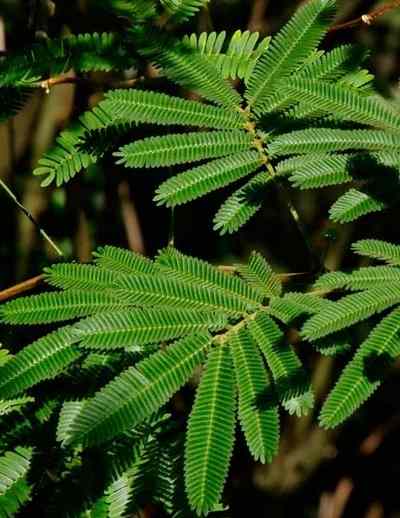 Ewe tude's leaves, roots, and bark are used in many traditional preparations to treat fever, malaria, inflammation, and general body weakness. The plant’s natural compounds are believed to “cool the blood,” helping to bring down high body temperature and cleanse the system of impurities. Women use it in fertility and menstrual remedies, while men use it to restore energy and stamina after illness. Beyond its medicinal power, it also plays a role in rituals for purification and spiritual protection.
Spiritually, Ewe Tude is used to ward off negativity, free someone from live affliction/bondage, and restore inner peace. In Yoruba belief, illness can come not only from physical causes but also from spiritual imbalance. For this reason, Ewe Tude is used in ritual baths (omi ero) and incense burning to cleanse the aura and protect against harmful spiritual influences. It is seen as a leaf that brings calmness, clarity, and balance—helping both the body and soul return to their natural state.
Key Facts
Category: Leaf
Botanical Name: Calliandra portoricensis
Yoruba name: Ewe Tude
Igbo Name: Nil
Hausa Name: Nil
Characteristics
Ewe Tude is a small to medium-sized shrub that can grow up to 3 meters tall. It is notable for its delicate compound leaves that close slightly when touched and its pink to reddish “powder puff” flowers. The plant produces slender pods containing seeds and grows in well-drained soil under full sunlight. Its soft, woody stems and fine leaves make it an attractive plant often found near homesteads and farms.
🌿Unluck Natural Healing with Your Backyard Plants!
Ever wondered what secrets your local leafs and plants have for lifelong health? Do you know what they can cure? Stop relying solely on pills which are chemicals!
With years of experience, we’ve compiled authentic knowledge into 3 masterclass e-books:
Identification Features
1) Leaves: Compound, fine-textured, and light green; respond to touch by closing slightly.
2) Flowers: Pink or reddish, fluffy, and rounded like a brush.
3) Stem: Woody with smooth light brown bark.
4) Habitat: Found in bushes, farmlands, and along roadsides throughout Yorubaland.
Uses
1. Treatment of Fever and Malaria
The leaves of Ewe Tude are boiled and taken as a decoction (Agbo) to reduce fever and treat malaria. Its cooling nature helps to bring down body temperature and cleanse the blood of impurities that cause internal heat.
2. Body Cleansing and Detoxification
Ewe Tude is often added to herbal tonics used for general body cleansing. The drink helps flush out toxins, rejuvenate the system, and improve digestion.
3. Relief of Inflammation and Pain
The crushed leaves or bark can be applied as a poultice to swollen areas, boils, or wounds. Its natural anti-inflammatory property helps to reduce swelling, soothe pain, and promote healing of the skin.
4. Fertility and Menstrual Regulation
In women, Ewe Tude is used in combination with other herbs to regulate menstruation and improve fertility. The decoction strengthens the womb and enhances hormonal balance, especially after illness or childbirth.
5. Restoration of Strength and Energy
After long sickness or loss of appetite, the root of Ewe Tude is boiled into a strengthening tonic to restore vitality. This remedy is especially used for individuals recovering from malaria or general body weakness.
6. Spiritual Cleansing and Protection
Ewe Tude is burned or used in ritual baths to remove spiritual blockages and restore peace of mind. Yoruba herbalists often include it in spiritual mixtures meant to drive away evil forces and attract positive energy.
⚡ Wait...Do You Really Know the True Secrets of the Orishas?
Why was Sango called Jakuta before he was crowned Oba Koso? What hidden power lies in Ogun Onire’s original pact? And why is Obatala worshipped as the Apex Deity?
Stop guessing! True Orisha wisdom goes far beyond surface-level stories. Check out the secrets behind Sango, Ogun, Obatala, Osun, Esu, and Oro with our comprehensive e-book series. Inside each structured guide, you'll discover:
🎁The Masterclass e-Books Available at token! Claim Your Copy Today
Conclusion
Ewe Tude is one of the the most potents plants in Yoruba traditional medicine, valued for both its physical and spiritual benefits. From reducing fever and inflammation to purifying the body and protecting the spirit, it remains a dependable herb that symbolizes natural balance and healing power.
CONNECT WITH US: