support@yorubalibrary.com
+2348073529208
Ewe Ogirisako (Also called Ewe Langbodo) is one of the most powerful medicinal plants known in Yoruba traditional healing. It is widely recognized for its ability to treat a wide range of physical and spiritual conditions. The plant has a unique structure that makes it stand out in the forest — a tall single leaf with a strong stalk emerging from a tuber buried deep in the soil. Among the Yoruba, Ewe Ogirisako is known as a plant of deep mystery and authority.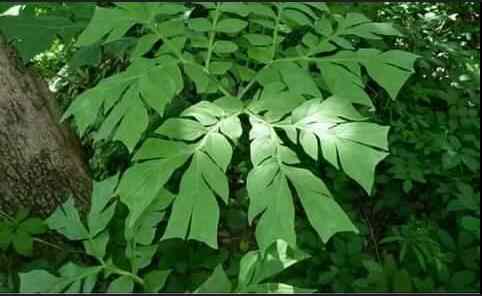 For centuries, Yoruba herbalists have used Ewe Ogirisako in different forms — decoctions, baths, and ointments — to manage health challenges ranging from body pain to skin diseases. The leaf and tuber are especially valued for their ability to “wake the body” by restoring internal balance and improving circulation. In traditional healing practices, it is often combined with other herbs to enhance its potency and to cleanse the body of lingering illness.
From a scientific standpoint, Ewe Ogirisako has been found to contain compounds such as alkaloids, flavonoids, and saponins that contribute to its anti-inflammatory and anti-microbial properties. But beyond its biological composition, the Yoruba understanding of Ewe Ogirisako goes deeper — it is seen as a guardian plant that provides protection, strength, and renewal to the body and spirit.
Key Facts
Category: Leaf
Botanical Name: Anchomanes difformis
Yoruba name: Ewe Ogirisako or Ewe Langbodo
Igbo Name: Nil
Hausa Name: Nil
Characteristics
Ewe Langbodo is a tall herbaceous plant with a thick underground tuber and a single, towering leaf that can reach over one meter in height. The leaf is large, divided into deep lobes, and attached to a strong, speckled stalk that emerges directly from the tuber. The texture of the leaf is leathery and glossy, and when crushed, it releases a strong, pungent odor that makes it easily identifiable. The tuber is large and brown on the outside but white within, containing the plant’s medicinal power. Ewe Ogirisako prefers moist, shaded areas, especially around forest edges, riverbanks, and abandoned farmlands where the soil is rich and well-drained.
🌿Unluck Natural Healing with Your Backyard Plants!
Ever wondered what secrets your local leafs and plants have for lifelong health? Do you know what they can cure? Stop relying solely on pills which are chemicals!
With years of experience, we’ve compiled authentic knowledge into 3 masterclass e-books:
Identification Features
Ewe Ogirisako can be identified by its single, tall leaf stalk that carries a large, divided leaf resembling an umbrella. The petiole (leaf stem) is green with brownish or purple speckles, and the plant emits a sharp smell when cut. It produces a spadix surrounded by a greenish spathe, characteristic of the Araceae family. The tuber, which is the most medicinal part, is buried deep underground and can be as large as a small yam.
Uses
1. Relief from Rheumatism and Joint Pain
Ewe Ogirisako is widely used to treat rheumatism, arthritis, and general body pains. The leaf or tuber is boiled in water, and the warm extract is used for bathing or massaging affected areas. This helps to improve blood flow, reduce inflammation, and relax stiff muscles.
2. Treatment of Cough and Chest Congestion
When mixed with other supporting herbs, Ewe Ogirisako helps to clear the airways and loosen mucus buildup in the chest. The decoction is usually taken in small, measured quantities to relieve dry or persistent cough and improve breathing. Yoruba healers believe it strengthens the lungs and cools the internal system.
3. Healing of Skin Infections
Crushed Ewe Ogirisako leaves are applied directly to boils, rashes, and stubborn wounds to promote healing. The plant’s natural anti-microbial properties help fight bacteria and speed up recovery. Herbalists also mix the crushed leaf with palm oil (epo pupa) or shea butter (ori) to prepare a smooth ointment for treating eczema, ringworm, and skin irritation.
4. Relief from Stomach Disorders
A mild extract from the tuber of Ewe Ogirisako is used to treat stomach cramps, indigestion, and intestinal discomfort. It soothes irritation in the digestive tract and restores normal bowel movement. Yoruba healers often recommend it after eating contaminated food or when feeling bloated and heavy.
5. Regulation of Menstrual Flow
Women experiencing irregular or painful menstruation use Ewe Ogirisako in herbal teas or baths to promote smooth flow and ease abdominal pain. The herb helps to relax the uterus and balance body temperature, offering natural relief without harsh side effects.
6. Wound Healing and Body Revitalization
The sap from the leaf or tuber is applied to open wounds to accelerate healing. Its natural compounds prevent infection and encourage the growth of healthy tissue. When used in body washes, it also revitalizes tired muscles and restores energy after long sickness or stress.
7. Detoxification and System Cleansing
In Yoruba herbal practice, Ewe Ogirisako is sometimes used as a mild purgative to cleanse the system of internal waste and accumulated toxins. It is taken in carefully measured quantities to avoid irritation, and afterward, the body feels lighter and refreshed.
⚡ Wait...Do You Really Know the True Secrets of the Orishas?
Why was Sango called Jakuta before he was crowned Oba Koso? What hidden power lies in Ogun Onire’s original pact? And why is Obatala worshipped as the Apex Deity?
Stop guessing! True Orisha wisdom goes far beyond surface-level stories. Check out the secrets behind Sango, Ogun, Obatala, Osun, Esu, and Oro with our comprehensive e-book series. Inside each structured guide, you'll discover:
🎁The Masterclass e-Books Available at token! Claim Your Copy Today
Conclusion
Ewe Langbodo is a potent herbal plant in Yoruba medicine, popular for its healing strength and spiritual value. It addresses a wide range of ailments including body pain, cough, menstrual irregularities, and skin diseases, while also serving as a purifier of the body and spirit.
The Yoruba people regard this leaf as one that restores power and peace to whoever uses it wisely. Its effectiveness and spiritual weight make it one of the most important plants ever created by the Creator.
CONNECT WITH US: