support@yorubalibrary.com
+2348073529208, 07038599574
Ilorin is a unique city in Nigerian history, located in Kwara State, North-Central Nigeria. Although unique in Yoruba culture, Ilorin’s identity has been shaped by a blend of Yoruba and Fulani influences over the past two centuries. The city’s origins trace back to Yoruba settlers, particularly the Oyo-Yoruba, who established it as a frontier settlement. Its transformation began in the early 19th century when Afonja, the Aare Ona Kakanfo (Yoruba military commander), invited Fulani allies from the Sokoto Caliphate, leading to a remarkable fusion of traditions, governance, and religion that continues to define Ilorin today.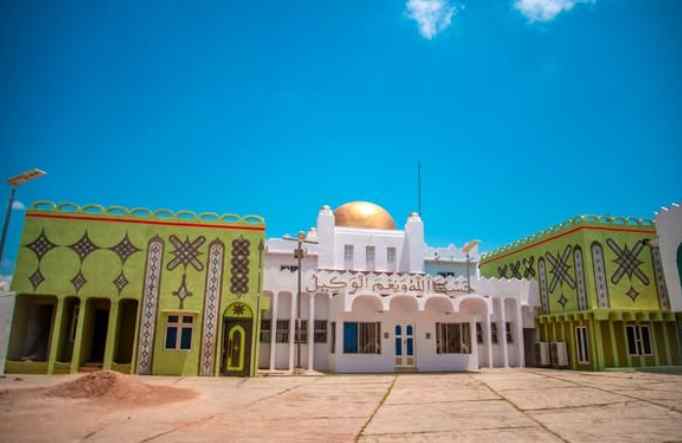
Known as the “City of Harmony”, Ilorin stands as a living example of cultures, where Yoruba language and customs coexist with Fulani-Islamic traditions. The city’s architecture, cuisine, music, and dress reflect this harmonious blend, making it one of Nigeria’s most culturally diverse urban centers. Ilorin is also a hub for education, commerce, and Islamic scholarship, attracting visitors and students from across West Africa.
Despite its historical shifts, Ilorin retains a strong Yoruba heartbeat, evident in its festivals, marketplaces, and oral traditions — especially its Oriki (praise poetry).
Location and Geography
Ilorin is situated along the southern fringe of the savannah region, bordered by Ogbomoso to the south and Jebba to the north. Its location along major transportation routes has historically made it a key commercial and administrative center, linking the South-West with the North.
Cultural and Historical Significance
The Emir of Ilorin is the city’s traditional ruler, overseeing a system of governance influenced by both Yoruba chieftaincy structures and Islamic leadership traditions. Ilorin is renowned for Islamic scholarship, Qur’anic schools, and annual religious celebrations such as Eid-el-Kabir and Eid-el-Fitr. Despite being an emirate, the city still honors its Yoruba roots through festivals, traditional drumming, and the preservation of family and town Oriki.
People and Occupations
Ilorin is a mix of traders, artisans, scholars, and professionals. The city is famous for its local crafts, including leatherwork, pottery, and textile dyeing (particularly the blue aso-oke and adire fabrics). Agriculture remains important, with surrounding villages producing crops like maize, yam, and cassava.
Unique Features of the Town
Key landmarks include the Emir’s Palace, the Central Mosque (one of the largest in Nigeria), Sobi Hill, and the University of Ilorin. The city’s open-air markets, such as Oja Oba, bustle with activity and showcase the fusion of northern and southern goods and styles.
Oriki Ilu Ilorin
Below is the traditional Oriki (praise poetry) of Ilorin, the capital city of Kwara State.
Ilorin Afonja Enudunjuyo
Ilu To Jinna S’ina
To Sunmon Alujana Bi Aresepa
Ilu Tobi To Yen, Won O Leegun Rara
Esin L’egungun Ile Baba Won
Akewugberu Ni Won
A S’adura Gbore
Aji Fi Kalamu Da Won Lekun Arise Kondu Kondu
Won E Lu Lagbadu
Kewu Ni Won N Ke
Eegun Wa Bura
Bo Ba Denu Igbo Ri
Paka Wa Bura
Bo Ba D’igbale
Ero Iwayiopo Wa Bura
Be O Ba L’obirin
Ayidopo Laya Nle Omo Egbirin Ote
Nile Opo Omo Laderin
Opo Korobiti Ajagun Ajase
Opo K’aja Ka R’oyo Naa
Abidesu Ko Je A Wo Eni To L’oba
Omo Opo O Gboro
Won Pe N Koju E S’ina
Ina O Gboro
Won Pe N Koju E S’omi
Omi O Gboro
Won Pe N Fi Ponti To Le
Oti To Le O Gboro
Won N F’omo To Buru
Omo Wo Wa Lo Le Tio Gboro
Afonja O Gboro
Ni Won Ba Koju Omo Ponilewa S’ogun
Ogun Naa L’afonja Lo Tio Pada Wa’nule Mo
To Fi Lo Te Ilu Ilorin
Ilorin Afonja Ti Nje Enudunjuyo.
Conclusion
Ilorin’s story is one of cultural harmony, strategic relevance, and historical complexity.
Need more? Browse through our Oriki Gallery today, at zero cost.
Check out the detailed Oriki of Abeokuta, the capi…
The authentic Oriki of the Awori people, one of th…
CONNECT WITH US: