support@yorubalibrary.com
+2348073529208
In Yoruba thought, nature is felt even when it appears not. Wind, storm, rain, and fire are not just physical occurrences—they are expressions of spiritual forces that shape both the visible and unseen world. Among these forces stands Ọya, a powerful and commanding oriṣa associated with whirlwind, sudden change, and the restless movement of air. Her presence is often linked to intensity, transformation, and moments that do not ask for permission before they arrive. Because of this, anything connected to Ọya has a sense of urgency and force, including the chants performed in her honor.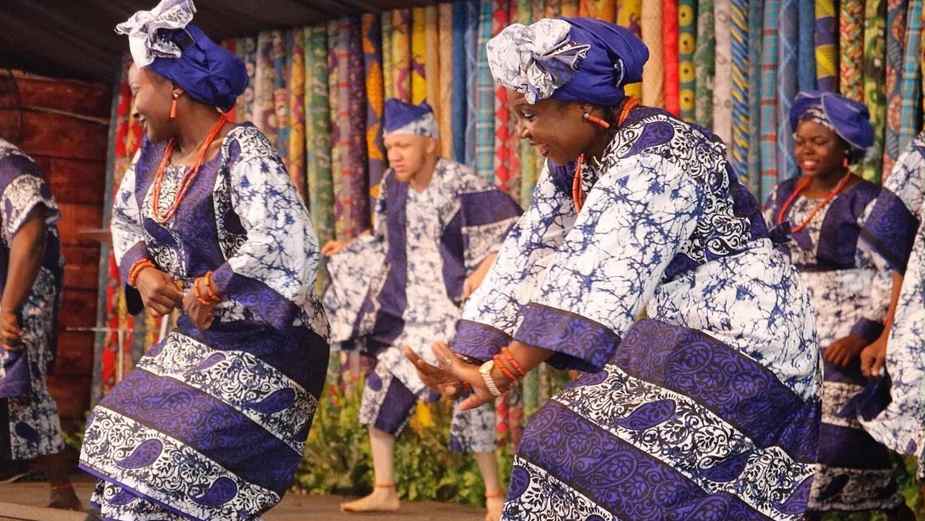 Ọya-Pípè is one of the oral forms through which this force is expressed. It is a structured chant performed by devotees of Ọya, used to acknowledge her presence, celebrate her power, and conforms with her energy during ritual and festival settings. Unlike casual songs, Ọya-Pípè is based in devotion. It is performed within contexts that recognize Ọya not just as a figure of mythology, but as an active spiritual force.
The relationship between Ọya and Ṣàngó adds another layer to the meaning of Ọya-Pípè. It is widely known in Yoruba tradition that Ọya was one of the wives of Ṣàngó. This connection explains why Ọya-Pípè is often performed during Ṣàngó festivals. In such settings, the chant does not stand alone; it becomes part of a larger network of performances that honor interconnected spiritual forces. Through this relationship, the presence of Ọya is acknowledged alongside that of Ṣàngó, creating a fuller representation of the spiritual environment.
What makes Ọya-Pípè particularly special is the way it shows the character of the deity it honors. Just as wind can shift direction without warning, the chant carries a sense of movement and unpredictability. The rhythm may rise and fall, the voices may intensify and soften, and the dance that accompanies it often mirrors the swirling motion associated with wind and storm. This is not accidental—it is a deliberate attempt to embody the essence of Ọya through performance.
Another important aspect of Ọya-Pípè is its inclusiveness. Unlike certain forms of Yoruba oral literature that restrict participation based on gender or role, Ọya-Pípè allows both men and women to take part fully in its performance. This shared participation shows the widespread influence of Ọya and the collective nature of her worship. Her presence is not limited to a select group; it is experienced and expressed by all who are devoted to her.
The chant also serves as a means of reinforcing cultural memory. Through repeated performance, the stories, attributes, and significance of Ọya are kept alive. In communities where oral tradition remains a primary method of knowledge transmission, forms like Ọya-Pípè ensure that important aspects of belief and identity are not lost.
At the same time, Ọya-Pípè is not static. While it is based on tradition, it responds to the context in which it is performed. Whether during a festival, a ritual gathering, or a moment of collective expression, the chant adapts while maintaining its core structure and purpose. This flexibility allows it to remain relevant without losing its meaning.
As attention shifts toward preserving and documenting Yoruba cultural practices, Ọya-Pípè stands as a reminder that oral literature is not just about words. It is about sound, movement, participation, and the ability to translate belief into shared experience.
⚡ Wait...Do You Really Know the True Secrets of the Orishas?
Why was Sango called Jakuta before he was crowned Oba Koso? What hidden power lies in Ogun Onire’s original pact? And why is Obatala worshipped as the Apex Deity?
Stop guessing! True Orisha wisdom goes far beyond surface-level stories. Check out the secrets behind Sango, Ogun, Obatala, Osun, Esu, and Oro with our comprehensive e-book series. Inside each structured guide, you'll discover:
🎁The Masterclass e-Books Available at token! Claim Your Copy Today
Who Are the Devotees of Ọya?
Devotees of Ọya are individuals who align themselves with the worship and reverence of the deity. Their roles include participating in rituals, maintaining shrines, and performing chants such as Ọya-Pípè. Both men and women are fully involved in these activities, reflecting the broad reach of Ọya’s influence.
Their participation is guided by tradition, ensuring that performances remain consistent with established practices. Through this structure, the chant is preserved and passed down across generations.
When Ọya-Pípè is Performed
Ọya-Pípè is most commonly performed during Ṣàngó festivals. This is due to the historical and spiritual connection between Ọya and Ṣàngó. In these gatherings, multiple forms of chant and performance come together, and Ọya-Pípè serves as a key element in representing her presence.
Beyond festivals, the chant may also appear in other ritual contexts where Ọya is being acknowledged or invoked. In each case, the performance is tied to a specific purpose, ensuring that it remains meaningful and relevant.
Performance Style and Call-and-Response Pattern
Ọya-Pípè typically follows a call-and-response structure. A lead performer introduces a line, and others respond in chorus. This pattern creates a rhythm that is both engaging and coordinated.
The vocal delivery often shows the nature of Ọya—sometimes intense, sometimes measured, but always controlled. The repetition within the chant allows for emphasis, while variations keep the performance dynamic.
Dance and Movement: Representing the Whirlwind
Movement is a central part of Ọya-Pípè. The dance that accompanies the chant often mirrors the swirling and unpredictable motion associated with wind. Performers may move in circular patterns, shift direction quickly, or use gestures that suggest flow and force.
This connection between movement and meaning adds another layer to the performance. It allows the audience not just to hear the chant, but to see it expressed physically.
🌿Unluck Natural Healing with Your Backyard Plants!
Ever wondered what secrets your local leafs and plants have for lifelong health? Do you know what they can cure? Stop relying solely on pills which are chemicals!
With years of experience, we’ve compiled authentic knowledge into 3 masterclass e-books:
Musical Accompaniment in Ọya-Pípè
Like many Yoruba oral traditions, Ọya-Pípè is supported by percussion. Drums provide the rhythm that anchors the chant and guides the performers. While the specific instruments may vary, the goal remains the same—to create a sound structure that supports both voice and movement.
Example of Practical Rendition of Ọya-Pípè
This is an sample rendition of Oya Pipe chant in Yoruba oral literature:
Oyadolu
Opeere daja ewa
Omo ajiyan ogunjo sanra
Efuufu-lele ti dagi lokeloke
Oyamakinde ma dagi lekule mi
Afefe ti sewe oko laalo-laalo
Efuufu-lele ti mewe agbon jiajia
Oya oriirii
Apa-bi-ekun
Dakun ma sole mi dode
In performance, the lead voice begins the chant with a clear and controlled tone. The chorus responds in unison, maintaining rhythm with the drums. The dancers move in sync with the beat, creating a visual representation of the chant’s energy. The performance builds through repetition and variation, maintaining both structure and intensity.
Cultural Significance and Continuity
Ọya-Pípè serves as a living expression of Yoruba belief and identity. It preserves the memory of Ọya, upholds her attributes, and ensures that her presence remains part of communal life.
As with other forms of oral literature, its continued performance is essential for cultural continuity. Through repetition, participation, and adaptation, Ọya-Pípè remains a relevant and powerful form of expression.
CONNECT WITH US: