support@yorubalibrary.com
+2348073529208
Ewe Tanagbowo, also called Ewe Tanapowo or Ewe Tanaposo in Yoruba, is known in English as the Four O’clock Flower and botanically as Clavillia jalapa. This unique plant is admired in Yoruba herbal medicine for its powerful healing and anti-inflammatory properties.
The name “Tanagbowo” literally translates to “lit up to collect money”, referring to its traditional use in strengthening weak muscles and relieving body pains. Spiritually, it is a respected herb for cleansing, protection, wealth attraction and reversing spiritual attacks.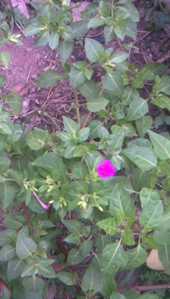
Key Facts
Category: Leaf
Botanical Name: Clavillia Jalapa
Common Name: Four O'clock Flower
Yoruba name: Ewe Tanagbowo or Ewe Tanapowo or Ewe Tanaposo
Igbo Name: Nil
Hausa Name: Nil
Health Benefits
1. Reduces Rheumatic and Joint Pains
Ewe Tanagbowo is used as a poultice or herbal bath to relieve rheumatism, arthritis, and swollen joints.
2. Strengthens Weak Muscles and Body Fatigue
Herbal decoctions are prepared to restore strength to weak or paralyzed limbs.
3. Treats Skin Diseases and Wounds
The crushed leaves are applied to heal wounds, boils, and stubborn skin infections.
4. Lowers Fever and Body Heat
The leaf is boiled and taken as a mild herbal drink to cool the body and reduce high fever.
5. Improves Postpartum Recovery
Women use it in baths after childbirth to regain strength and speed up recovery.
6. Cleanses the Blood and Supports Detoxification
It helps flush toxins from the body and purify the blood.
The Ultimate Herbal Knowledge is here!
Do you know you can treat illness naturally with plants in your environment and also have a pure understanding of Yoruba Herbs? Our comprehensive e-Books make this possible easily!
Download our 3-in-1 e-Book comprising Common Ailments and Their Natural Cures (preview here), Identification & Properties of Different Plants (see sample), Yoruba proverbs associated with different Herbs (see preview).
These e-Books are specially done for a great understanding of Yoruba Herbal Knowledge. For affordability by everyone, it costs only a token!
🌿Unluck Natural Healing with Your Backyard Plants!
Ever wondered what secrets your local leafs and plants have for lifelong health? Do you know what they can cure? Stop relying solely on pills which are chemicals!
With years of experience, we’ve compiled authentic knowledge into 3 masterclass e-books:
Spiritual Use
1. Protection Against Evil Attacks and Witchcraft
Ewe Tanagbowo is believed to repel witchcraft and evil arrows when used in baths or home cleansing rituals - just like Ajeobale Leaf
2. Reversing Spiritual Attacks
It is used by traditional healers to send back spiritual arrows and negative energy to their source.
3. Cleansing Bad Luck and Opening Doors of Favor
Spiritual baths made with this leaf wash away blockages, persistent bad luck, and misfortune.
4. Restoring Peace and Harmony in Homes
Sprinkling its water in the house is said to restore peace and remove negative vibrations.
5. Offerings in Orisa and Ancestral Worship
Ewe Tanagbowo is used in Yoruba rituals to request healing, protection, and divine blessings.
Characteristics
⦁ Physical Appearance –
The plant has oval green leaves and trumpet-shaped flowers that bloom in the late afternoon, usually around 4 PM (hence the name Four O’clock Flower).
⦁ Taste and Smell –
Slightly bitter herbal taste with a mild, fresh aroma.
⦁ Growth Pattern –
Grows in gardens, bushy areas, and sometimes near residential compounds.
⚡ Wait...Do You Really Know the True Secrets of the Orishas?
Why was Sango called Jakuta before he was crowned Oba Koso? What hidden power lies in Ogun Onire’s original pact? And why is Obatala worshipped as the Apex Deity?
Stop guessing! True Orisha wisdom goes far beyond surface-level stories. Check out the secrets behind Sango, Ogun, Obatala, Osun, Esu, and Oro with our comprehensive e-book series. Inside each structured guide, you'll discover:
🎁The Masterclass e-Books Available at token! Claim Your Copy Today
Functions
⦁ Traditional Medicine –
Rheumatism relief, wound healing, fever reduction, and postpartum recovery.
⦁ Spiritual Uses –
Protection, reversing spiritual attacks, cleansing bad luck, and favor attraction.
⦁ Cultural Significance –
Regarded as a healing and spiritually protective leaf in Yoruba culture.
Conclusion
Ewe Tanagbowo, also called Ewe Tanapowo or Ewe Tanaposo (Four O’clock Flower – Clavillia jalapa), is an important Yoruba herb used to relieve rheumatism, strengthen weak muscles, heal wounds, and detoxify the body. Spiritually, it is potent for protection, cleansing, and reversing evil attacks.
CONNECT WITH US: