support@yorubalibrary.com
+2348073529208
Ewe Ẹmi, known in English as the Shea Tree and botanically as Vitellaria paradoxa, is one of the most valuable trees in Yoruba traditional medicine and culture. Every part of the tree—leaves, bark, nuts, and roots—is useful for healing, nourishment, and spiritual protection.
The shea tree is famous for producing shea butter, which is highly cherished for its skin-healing, anti-inflammatory, and nourishing properties. Spiritually, Ewe Ẹmi is regarded as a tree of blessings, protection, and ancestral power, making it an important component in many Yoruba rituals.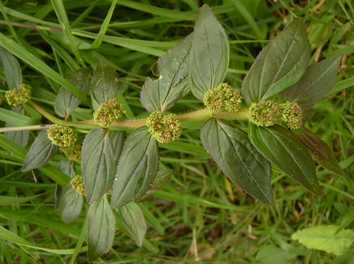
Key Facts
Category: Leaf
Botanical Name: Vitellaria Paradoxa
Common Name: Shea Tree
Yoruba name: Ewe Ẹmi
Igbo Name: Nil
Hausa Name: Nil
Health Benefits
1. Promotes Healthy Skin and Heals Wounds
Shea butter extracted from the nuts is used to moisturize the skin, heal wounds, treat burns, and reduce scars.
2. Relieves Rheumatism and Joint Pains
Massaging with shea butter or decoction from the bark soothes arthritis, swollen joints, and muscle pains.
3. Treats Skin Infections and Rashes
The antibacterial properties of shea butter and bark preparations help fight eczema, rashes, and other skin irritations.
4. Boosts Energy and Improves Nutrition
The nuts are rich in healthy fats and vitamins, making them an energy booster when consumed in traditional diets.
5. Supports Respiratory Health
The bark decoction is sometimes used to relieve cough, chest congestion, and mild asthma symptoms.
6. Improves Fertility and Postpartum Recovery
Shea-based herbal mixtures are used traditionally to enhance fertility and restore women’s strength after childbirth.
7. Protects and Repairs Hair
Shea butter nourishes the scalp, prevents dandruff, and strengthens hair follicles.
🌿Unluck Natural Healing with Your Backyard Plants!
Ever wondered what secrets your local leafs and plants have for lifelong health? Do you know what they can cure? Stop relying solely on pills which are chemicals!
With years of experience, we’ve compiled authentic knowledge into 3 masterclass e-books:
Spiritual Use
1. Protection Against Witchcraft and Evil Forces
The shea tree’s leaves and bark are used in baths to ward off witchcraft, spiritual poison, and harmful charms.
2. Attracting Prosperity and Good Fortune
Ewe Ẹmi is believed to open doors of wealth and success when used in traditional cleansing rituals.
3. Breaking Curses and Removing Bad Luck
Ritual baths and offerings with shea leaves or nuts are done to break curses and restore peace.
4. Ancestral and Orisa Offerings
The nuts and butter are used in ancestral worship and orisa rituals for blessings, protection, and fertility.
5. Restoring Peace and Family Harmony
Placing shea leaves in strategic areas of the home is believed to restore peace, love, and unity.
Characteristics
⦁ Physical Appearance –
Ewe Ẹmi is a large, tall tree with broad green leaves and round brown nuts enclosed in a green husk.
⦁ Taste and Smell –
Shea butter has a mild nutty scent and a creamy texture, while the bark is bitter and woody.
⦁ Growth Pattern –
Naturally grows in savannah regions and open woodlands and is highly valued across West Africa.
⚡ Wait...Do You Really Know the True Secrets of the Orishas?
Why was Sango called Jakuta before he was crowned Oba Koso? What hidden power lies in Ogun Onire’s original pact? And why is Obatala worshipped as the Apex Deity?
Stop guessing! True Orisha wisdom goes far beyond surface-level stories. Check out the secrets behind Sango, Ogun, Obatala, Osun, Esu, and Oro with our comprehensive e-book series. Inside each structured guide, you'll discover:
🎁The Masterclass e-Books Available at token! Claim Your Copy Today
Functions
⦁ Traditional Medicine –
Skin healing, joint pain relief, fertility boost, postpartum care, and respiratory support.
⦁ Spiritual Uses –
Protection, curse-breaking, prosperity attraction, and ancestral rituals.
⦁ Cultural Significance –
Regarded as a sacred tree symbolizing blessings, abundance, and protection in Yoruba culture.
Conclusion
Ewe Ẹmi (Shea Tree – Vitellaria paradoxa) is a sacred Yoruba tree known for its shea butter, which heals wounds, nourishes the skin, relieves pains, and supports fertility. Spiritually, it functions cut across many things such as repelling attacks, attracting blessing, making orisha rituals etc
CONNECT WITH US: