support@yorubalibrary.com
+2348073529208
Poporo Oka Baba, known in English as Red Sorghum and botanically as Sorghum bicolor, is one of the oldest and most valuable cereal grains used in Yoruba land for both nutritional, medicinal, and spiritual purposes.
The name “Oka Baba” reflects its ancient and revered nature, as it has been a staple food and an important part of traditional medicine for centuries. Apart from being eaten as a food grain, its leaves, grains, and stalks are used for treating several ailments and in powerful spiritual rituals for protection and prosperity.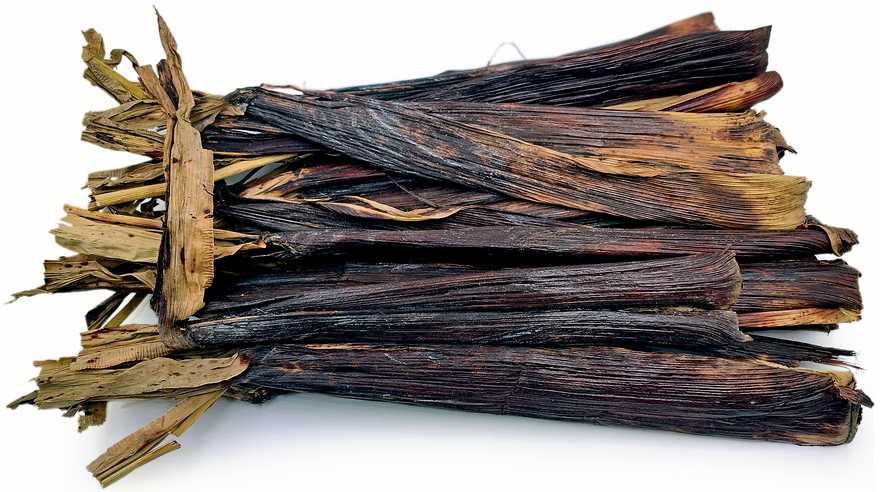
Key Facts
Category: Bark
Botanical Name: Sorghum Bicolor
Common Name: Red Sorghum
Yoruba name: Poporo Oka Baba
Igbo Name: Nil
Hausa Name: Nil
Health Benefits
1. Boosts Energy and Improves Nutrition
Poporo Oka Baba is a rich source of carbohydrates, fiber, and essential minerals, making it a natural energy booster and an excellent food for strengthening the body.
2. Controls Blood Sugar and Diabetes
Its high fiber content helps stabilize blood sugar levels, making it suitable for diabetic patients.
3. Improves Digestive Health
The fiber in sorghum aids smooth digestion, prevents constipation, and supports gut health.
4. Strengthens Bones and Enhances Blood Formation
Rich in calcium and iron, it supports bone health and boosts red blood cell production.
5. Manages Weight and Reduces Cholesterol
Its low-fat content makes it suitable for weight management and reducing bad cholesterol.
6. Boosts Immunity and Fights Diseases
The antioxidant properties in sorghum help fight infections and protect against chronic diseases.
7. Postpartum Recovery and Breastfeeding Support
Nursing mothers take sorghum-based meals to restore energy and improve breast milk production.
🌿Unluck Natural Healing with Your Backyard Plants!
Ever wondered what secrets your local leafs and plants have for lifelong health? Do you know what they can cure? Stop relying solely on pills which are chemicals!
With years of experience, we’ve compiled authentic knowledge into 3 masterclass e-books:
Spiritual Use
1. Protection Against Evil and Spiritual Attacks
Poporo Oka Baba is used in traditional rituals to ward off witchcraft, evil eyes, and negative spiritual forces.
2. Attracting Prosperity and Blessings
The grains are often used in sacrifices to attract wealth, fertility, and general blessings.
3. Breaking Curses and Removing Stagnation
Certain herbalists mix sorghum with other herbs to reverse curses and open blocked spiritual pathways.
4. Ritual Offerings to Orisa and Ancestors
The grains are offered in ancestral rites and orisa worship to seek protection, peace, and long life.
5. Peace and Family Harmony
Sprinkling sorghum grains or cooking it for communal meals is believed to restore love, peace, and unity in families.
Characteristics
⦁ Physical Appearance –
Poporo Oka Baba has reddish-brown grains arranged in tight clusters, with long green leaves and sturdy stalks.
⦁ Taste and Smell –
The grains have a mild, nutty flavor when cooked, with no strong smell.
⦁ Growth Pattern –
Commonly cultivated in farmlands and savannah regions, thriving in dry climates.
⚡ Wait...Do You Really Know the True Secrets of the Orishas?
Why was Sango called Jakuta before he was crowned Oba Koso? What hidden power lies in Ogun Onire’s original pact? And why is Obatala worshipped as the Apex Deity?
Stop guessing! True Orisha wisdom goes far beyond surface-level stories. Check out the secrets behind Sango, Ogun, Obatala, Osun, Esu, and Oro with our comprehensive e-book series. Inside each structured guide, you'll discover:
🎁The Masterclass e-Books Available at token! Claim Your Copy Today
Functions
⦁ Traditional Medicine –
Energy booster, diabetes management, bone strengthening, digestive health, and immunity support.
⦁ Spiritual Uses –
Protection, blessings, curse-breaking, and ritual offerings.
⦁ Cultural Significance –
Considered a sacred and ancient crop symbolizing life, fertility, and prosperity.
Conclusion
Poporo Oka Baba (Red Sorghum – Sorghum bicolor) is not just a staple food but a powerful Yoruba medicinal and spiritual grain. It is used to boost energy, regulate blood sugar, strengthen bones, and improve immunity, while spiritually, it is used for protection, prosperity attraction, and ancestral offerings.
CONNECT WITH US: