support@yorubalibrary.com
+2348073529208
Ewe Ijan, also known as Ewe Pepe or Ewe Ijon, is a well-versatile medicinal and spiritual leaf in Yoruba traditional practice. Botanically identified as Alchornea laxiflora, it is known for its anti-inflammatory, antimicrobial, and blood-purifying properties.
In Yoruba herbal medicine, Ewe Ijan is commonly used for treating wounds, infections, stomach problems, and boosting overall immunity. Spiritually, it is regarded as a powerful leaf for protection, reversing evil charms, and breaking strong curses.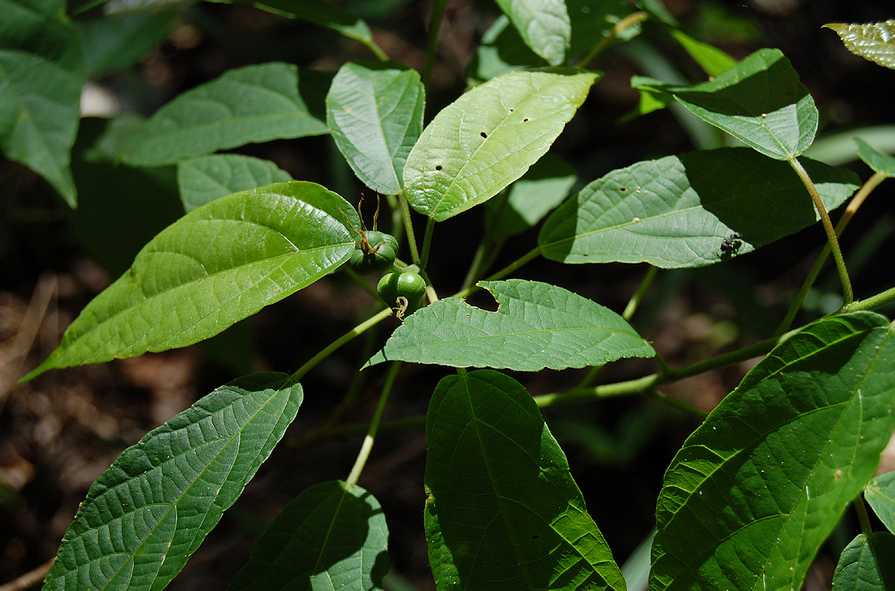
Key Facts
Category: Leaf
Botanical Name: Alchornea Laxiflora
Common Name: Nil
Yoruba name: Ewe Pepe Or Ewe Ijon
Igbo Name: Nil
Hausa Name: Nil
Health Benefits
1. Heals Wounds and Skin Infections
Ewe Ijan leaves are crushed and applied to wounds, boils, and skin rashes for fast healing.
2. Treats Stomach Disorders and Diarrhea
The leaf decoction is used to relieve diarrhea, stomach cramps, and digestive infections.
3. Boosts Immunity and Fights Infections
Its antimicrobial properties help fight bacterial and fungal infections, strengthening the immune system.
4. Reduces Inflammation and Relieves Body Pain
Ewe Ijan is used to soothe swollen joints and ease muscle or body pain.
5. Cleanses the Blood and Supports Detoxification
It helps flush toxins and purify the blood, making it valuable in general body cleansing.
6. Controls High Blood Pressure
The herbal extract is sometimes used to reduce hypertension and promote heart wellness.
7. Relieves Fever and Malaria Symptoms
Yoruba herbalists use its decoction to reduce fever and ease malaria-related weakness.
🌿Unluck Natural Healing with Your Backyard Plants!
Ever wondered what secrets your local leafs and plants have for lifelong health? Do you know what they can cure? Stop relying solely on pills which are chemicals!
With years of experience, we’ve compiled authentic knowledge into 3 masterclass e-books:
Spiritual Use
1. Protection Against Evil Spirits and Witchcraft
Ewe Ijan is widely used in herbal baths to shield against spiritual attacks and evil manipulations.
2. Neutralizing Evil Charms and Curses
The leaf is a strong component of Yoruba charm-breaking and curse-reversing herbal preparations.
3. Attracting Good Luck and Favor
Spiritual baths made with Ewe Ijan are believed to open blocked opportunities and attract favor.
4. Cleansing Negative Energy and Restoring Peace
Used in spiritual cleansing to remove lingering bad luck and restore peace in the home.
5. Ancestral and Orisa Rituals
It is sometimes offered to orisa and ancestors during cleansing or protective rituals.
Characteristics
⦁ Physical Appearance –
Ewe Ijan has broad green leaves with slightly rough surfaces and red-tinted stems when mature.
⦁ Taste and Smell –
Bitter and slightly sharp taste with a strong herbal scent.
⦁ Growth Pattern –
Found in forests, farmlands, and riverine areas in Yoruba land.
⚡ Wait...Do You Really Know the True Secrets of the Orishas?
Why was Sango called Jakuta before he was crowned Oba Koso? What hidden power lies in Ogun Onire’s original pact? And why is Obatala worshipped as the Apex Deity?
Stop guessing! True Orisha wisdom goes far beyond surface-level stories. Check out the secrets behind Sango, Ogun, Obatala, Osun, Esu, and Oro with our comprehensive e-book series. Inside each structured guide, you'll discover:
🎁The Masterclass e-Books Available at token! Claim Your Copy Today
Functions
⦁ Traditional Medicine –
Wound healing, digestive health, blood purification, fever reduction, and infection control.
⦁ Spiritual Uses –
Protection, curse-breaking, reversing charms, and cleansing bad luck.
⦁ Cultural Significance –
Highly respected in Yoruba herbal practices for both healing and spiritual protection.
Conclusion
Ewe Ijan (Ewe Pepe, Ewe Ijon – Alchornea laxiflora) is a Yoruba medicinal and spiritual plant used for wound healing, blood purification, infection treatment, and reducing high blood pressure. This leaf has a lot of spiritual uses too.
CONNECT WITH US: