support@yorubalibrary.com
+2348073529208
Among the many edible leaves in Yoruba land, Efo Shoko remains one of the most cherished for both food and health. Found in nearly every market and garden, it is not only a staple vegetable but also a source of natural medicine. Yoruba people have long knew that Efo Shoko nourishes the body, strengthens the blood, and supports proper digestion. From the home kitchen to the herbal pot, this leaf represents good health, balance, and everyday vitality.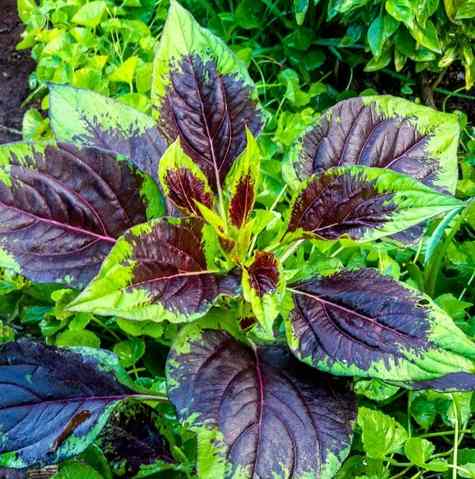 Traditionally, Yoruba mothers often serve Efo Shoko in soups such as Efo Riro or vegetable stew, knowing that its mild bitterness and soft texture provide essential vitamins and minerals. However, apart from its culinary value, Efo Shoko has a place in herbal medicine for its cleansing and blood-building functions. Its slightly bitter taste is said to “wake up” the body’s system, purify the blood, and strengthen internal organs. Elders often say, “Efo Shoko ni omi eje wa mo,” meaning “Efo Shoko purifies our blood like water,” emphasizing its natural cleansing properties.
For ages, Efo Shoko has remained popular not just for its taste, but for the healing balance it brings. It provides a natural remedy for those who feel weak, tired, or need to detoxify the body. Whether cooked in meals or prepared as herbal tea, Efo Shoko shows the Yoruba belief that food and medicine are connected — what we eat can also heal us.
Key Facts
Category: Leaf
Common Name: Lagos spinach
Yoruba name: Efo Shoko (or Efo Shokoyokoto)
Igbo Name: Nil
Hausa Name: Nil
Characteristics of Efo Shoko
Efo Shoko is a leafy vegetable with smooth, broad, green leaves and tender reddish-purple stems. The plant belongs to the Amaranth family and grows well in moist soil with moderate sunlight. The leaves have a mild bitter taste, which reduces when cooked, making them suitable for both cooking and medicinal use.
The plant is soft and easy to cultivate, growing quickly in gardens and farms. Yoruba farmers often prefer it because it can be harvested several times before re-planting. Its rich green color is an indication of high iron and chlorophyll content — two elements believed to help cleanse and strengthen the blood.
🌿Unluck Natural Healing with Your Backyard Plants!
Ever wondered what secrets your local leafs and plants have for lifelong health? Do you know what they can cure? Stop relying solely on pills which are chemicals!
With years of experience, we’ve compiled authentic knowledge into 3 masterclass e-books:
Identification Features
To identify Efo Shoko, look for:
a) Broad, smooth green leaves with reddish or purplish veins and stems.
b) Soft texture and mild bitterness when chewed raw.
c) Grows upright with tender stalks that are easy to break.
d) A pleasant, earthy scent when freshly harvested.
When boiled or steamed, Efo Shoko releases a dark green juice, which Yoruba herbalists sometimes use as part of herbal tonics for internal cleansing.
Uses of Efo Shoko in Yoruba Traditional Medicine
Although commonly used as a vegetable, Efo Shoko also serves important healing purposes in Yoruba traditional medicine. Its uses include:
1. Blood Purification and Enrichment:
Efo Shoko is known for cleansing the blood and increasing blood count. Herbalists recommend it for people recovering from illness or experiencing fatigue. Its regular consumption is believed to prevent anemia and boost overall vitality.
2. Digestive Health:
The leaf aids digestion and helps prevent constipation. The fiber in Efo Shoko promotes a healthy gut and removes waste from the body naturally.
3. Detoxification and Cooling the Body:
Efo Shoko has a mild cooling effect and is used in herbal mixtures for removing internal heat and toxins. It helps calm the system and promotes balance.
4. Fever and Malaria Support:
In traditional remedies, the juice or decoction from Efo Shoko leaves is sometimes combined with other herbs like Ewe Dogoyaro to reduce fever and strengthen recovery after malaria.
5. Postnatal and General Body Strengthening:
Yoruba women often use Efo Shoko as part of their diet after childbirth to restore strength, improve appetite, and enrich breast milk production.
6. Skin and Internal Cleansing:
Because it purifies the blood, it also contributes to clear, healthy skin. Regular intake is believed to remove internal waste that causes dullness or rashes.
⚡ Wait...Do You Really Know the True Secrets of the Orishas?
Why was Sango called Jakuta before he was crowned Oba Koso? What hidden power lies in Ogun Onire’s original pact? And why is Obatala worshipped as the Apex Deity?
Stop guessing! True Orisha wisdom goes far beyond surface-level stories. Check out the secrets behind Sango, Ogun, Obatala, Osun, Esu, and Oro with our comprehensive e-book series. Inside each structured guide, you'll discover:
🎁The Masterclass e-Books Available at token! Claim Your Copy Today
Conclusion
Efo Shoko is a perfect balance between nourishment and medicine in Yoruba tradition. Its mild bitterness, rich nutrients, and cleansing ability make it both a delicious vegetable and a reliable herbal remedy. In every Yoruba home where Efo Shoko is cooked, health, vitality, and natural strength are quietly being common. The leaf proves that true wellness often begins with what we grow, cook, and eat every day.
CONNECT WITH US: